

HMRC Seizes NFT For First Time In £1.4m Fraud Case
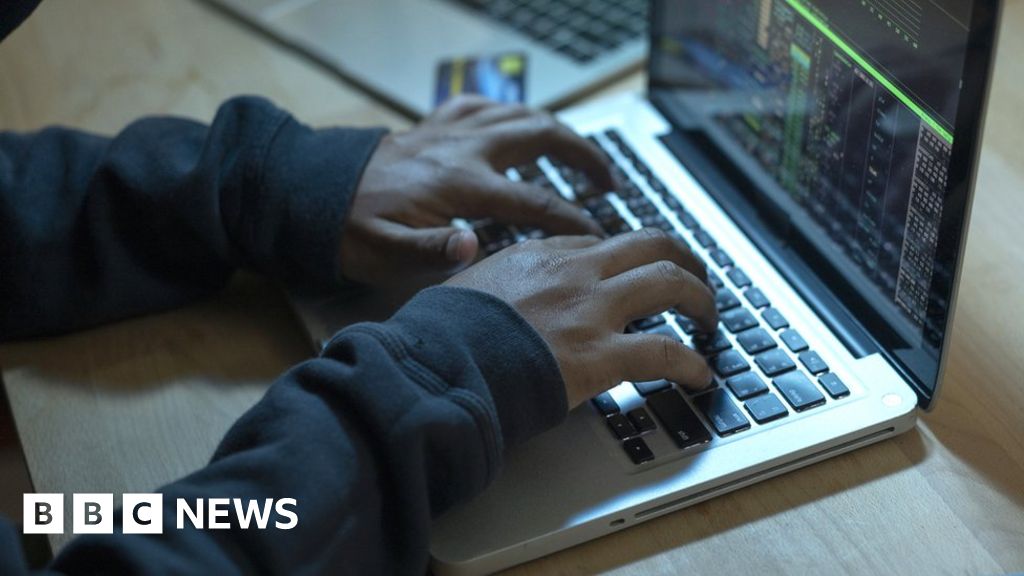
Image source, Getty Images
The UK tax authority has seized three Non-Fungible Tokens (NFT) as part of a probe into a suspected a VAT fraud involving 250 alleged fake companies.
HM Revenue and Customs (HMRC) said three people had been arrested on suspicion of attempting to defraud it of £1.4m.
The authority said it was the first UK law enforcement to seize an NFT.
NFTs are assets in the digital world that can be bought and sold, but which have no tangible form of their own.
The digital tokens, which emerged in 2014, can be thought of as certificates of ownership for virtual or physical assets. NFTs have a unique digital signature so they can be bought and sold using traditional currency or crypto currency, such as Bitcoin.
Where Bitcoin has been hailed as a digital answer to currency, NFTs have been touted as the digital answer to collectables, but plenty of sceptics fear they're a bubble waiting to burst.
HMRC said the suspects in its fraud case were alleged to have used "sophisticated methods" to try to hide their identities including false and stolen identities, false addresses, pre-paid unregistered mobile phones, Virtual Private Networks (VPNs), false invoices and pretending to engage in legitimate business activities.
Nick Sharp, deputy director economic crime, said the first seizure of an NFT "serves as a warning to anyone who thinks they can use crypto assets to hide money from HMRC".
"We constantly adapt to new technology to ensure we keep pace with how criminals and evaders look to conceal their assets."
HMRC said it had secured a court order to detain the seized crypto assets worth about £5,000 and three digital artwork NFTs, which have not been valued, while its investigation continues.
How do NFTs work?
Traditional works of art such as paintings are valuable precisely because they are one of a kind, but digital files can be easily and endlessly duplicated.
With NFTs, artwork can be "tokenised" to create a digital certificate of ownership that can be bought and sold. The tokens can represent a range of real-world objects such as artwork, music and videos.
Image source, foundation.app/@SideEyeingChloe
As with crypto-currency, a record of who owns what is stored on a shared ledger known as the blockchain.
The records cannot be forged because the ledger is maintained by thousands of computers around the world.
An image of a popular internet meme, featuring two-year-old Chloe Clem, was sold as a NFT for about $74,000 (£54,000) in September last year.
From Chip War To Cloud War: The Next Frontier In Global Tech Competition
The global chip war, characterized by intense competition among nations and corporations for supremacy in semiconductor ... Read more
The High Stakes Of Tech Regulation: Security Risks And Market Dynamics
The influence of tech giants in the global economy continues to grow, raising crucial questions about how to balance sec... Read more
The Tyranny Of Instagram Interiors: Why It's Time To Break Free From Algorithm-Driven Aesthetics
Instagram has become a dominant force in shaping interior design trends, offering a seemingly endless stream of inspirat... Read more
The Data Crunch In AI: Strategies For Sustainability
Exploring solutions to the imminent exhaustion of internet data for AI training.As the artificial intelligence (AI) indu... Read more
Google Abandons Four-Year Effort To Remove Cookies From Chrome Browser
After four years of dedicated effort, Google has decided to abandon its plan to remove third-party cookies from its Chro... Read more
LinkedIn Embraces AI And Gamification To Drive User Engagement And Revenue
In an effort to tackle slowing revenue growth and enhance user engagement, LinkedIn is turning to artificial intelligenc... Read more