

Google's 10-year Chromebook Lifeline Leaves Old Laptops Headed For Silicon Cemetery
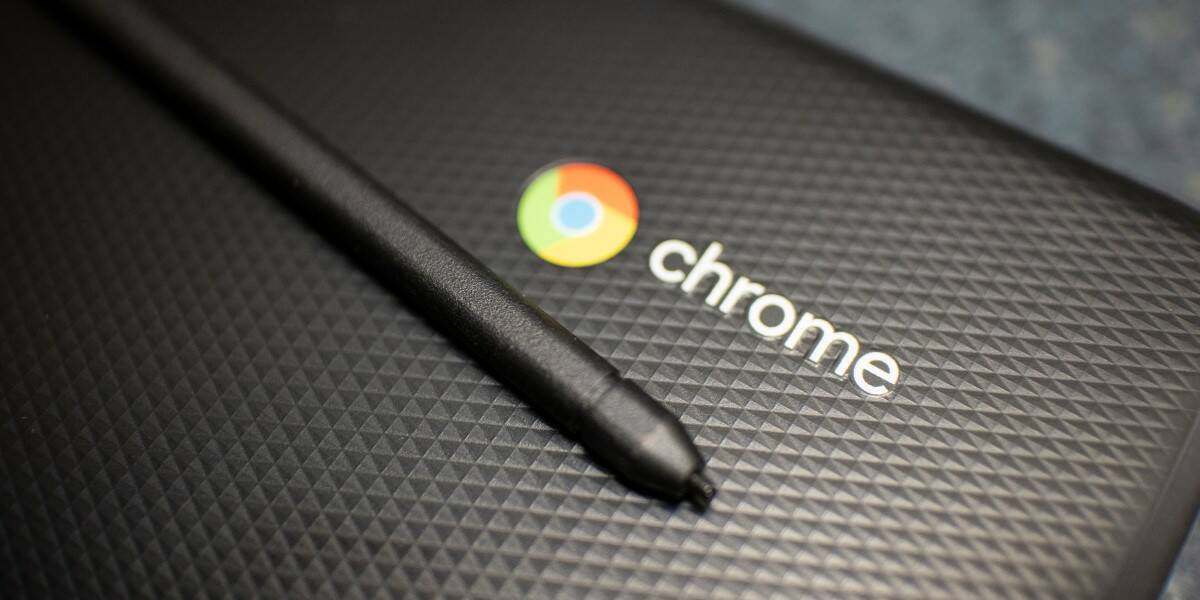
Google promised a decade of updates for its Chromebooks in 2023 to stop them being binned so soon after purchase, but many are still set to reach the end of the road sooner than later.
The appliance-like laptop devices were introduced by megacorp in 2011, running its Linux-based ChromeOS platform. They have been produced by a number of hardware vendors and proven popular with buyers such as students, thanks to their relatively low pricing.
The initial devices were designed for a three-year lifespan, or at least this was the length of time Google was prepared to issue automatic updates to add new features and security fixes for the onboard software.
Google has extended this Auto Update Expiration (AUE) date over the years, prompted by irate users who purchased a Chromebook only to find that it had just a year or two of software updates left if that particular model had been on the market for a while.
The latest extension came in September 2023, when the company promised ten years of automatic updates, following pressure from the US-based Public Interest Research Group (PIRG). The advocacy organization had recommended this move in its Chromebook Churn report, which criticized the devices as not being designed to last.
PIRG celebrated its success at the time, claiming that Google's decision to extend support would "save millions of dollars and prevent tons of e-waste from being disposed of."
But Google's move actually meant that only Chromebooks released from 2021 onward would automatically get ten years of updates, starting in 2024. For a subset of older devices, an administrator (or someone with admin privileges) can opt in to enable extended updates and receive the full ten years of support, a spokesperson for the company told us.
This, according to PIRG, still leaves many models set to reach end of life this year, or over the next several years.
"According to my research, at least 15 Chromebook models have already expired across most of the top manufacturers (Google, Acer, Dell, HP, Samsung, Asus, and Lenovo). Models released before 2021 don't have the guaranteed ten years of updates, so more devices will continue to expire each year," Stephanie Markowitz, a Designed to Last Campaign Associate at PIRG, told The Register.
End-of-life dates for Chromebook models can be viewed on Google's Auto Update policy page on its support site.
Models that reach their Auto Update Expiration (AUE) date don't suddenly cease to function, of course, it is just that they no longer receive feature or security updates. While this may not bother some users (remember "XP forever"?), organizations that have deployed Chromebooks may decide to replace any end-of-life units, even if they are still working satisfactorily.
- PC makers hopeful that Chromebook refresh cycles about to kick in
- Not even Chromebooks can escape AI PC craze: Google to inject Plus laptops with LLM juice
- How to deorbit the Chromebook... and repurpose it for innovators
- Chromebooks are problematic for profits and planet, says Lenovo exec
"In general, end-of-support dates for consumer tech like laptops act as 'slow death' dates," according to Markowitz. "The devices won't necessarily lose function immediately, but without security updates and bug patches, the device will eventually become incompatible with the most up-to-date software, and the device itself will no longer be secure against malware and other issues."
While it is inevitable that manufacturers will eventually stop supporting products, they are not always upfront about these timelines with consumers at the point of purchase, Markowitz added. The same can be said of many other products, of course – smartphones typically only offer a few years of updates.
Tech-savvy users may be able to install a replacement platform to their out-of-support device, thus extending its useful life even further, yet this may not always be possible.
"There are many open source operating systems available, which basically means users can switch to free, publicly available software that will keep getting updates and security patches regardless of the device it's being used on," Markowitz said, "but many manufacturers make this difficult or impossible to do on their devices, even after they have stopped offering support."
This makes no sense, she added, as they are "breaking" a device by ending support while also preventing users from fixing or continuing to use the device on their own terms.
Chromebooks have also been criticized for other reasons, with a senior executive at Lenovo once stating the devices are not easy or cheap to recycle, but that it would continue to make and sell them so long as there was a demand. ®
From Chip War To Cloud War: The Next Frontier In Global Tech Competition
The global chip war, characterized by intense competition among nations and corporations for supremacy in semiconductor ... Read more
The High Stakes Of Tech Regulation: Security Risks And Market Dynamics
The influence of tech giants in the global economy continues to grow, raising crucial questions about how to balance sec... Read more
The Tyranny Of Instagram Interiors: Why It's Time To Break Free From Algorithm-Driven Aesthetics
Instagram has become a dominant force in shaping interior design trends, offering a seemingly endless stream of inspirat... Read more
The Data Crunch In AI: Strategies For Sustainability
Exploring solutions to the imminent exhaustion of internet data for AI training.As the artificial intelligence (AI) indu... Read more
Google Abandons Four-Year Effort To Remove Cookies From Chrome Browser
After four years of dedicated effort, Google has decided to abandon its plan to remove third-party cookies from its Chro... Read more
LinkedIn Embraces AI And Gamification To Drive User Engagement And Revenue
In an effort to tackle slowing revenue growth and enhance user engagement, LinkedIn is turning to artificial intelligenc... Read more