

Google Bestows Improved Device Management Tools, Authentication Options On Chrome OS Admins
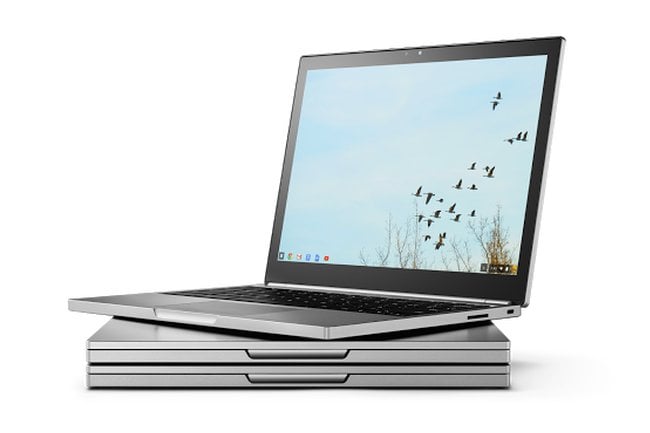
Psychologist Abraham Maslow didn't mention Chromebooks when contriving his hierarchy of needs, and yet they have become essential to ordinary life during the pandemic, with the cheap computing devices being used for homeschooling and remote working.
Perhaps in recognition of that, Google has added a bevy of new features that it says are designed to improve fleet management and security.
IT managers responsible for administering fleets of Chromebooks can now see a visualisation of when their kit will reach end-of-life, and thus need replacing. Google has committed to providing eight years of software updates for Chrome OS devices, after which they'll cease to receive security patches and new features.
Google has said this will help inform IT managers when it's time to go cap in hand to their finance manager and ask for more from the IT budget.
Eight years of software updates is relatively good. It's slightly better than Apple, which has said it won't provide the upcoming macOS Monterey to MacBook Pro and Air laptops manufactured in 2014 and earlier, as well as the first 12-inch MacBook introduced in 2015.
- As pandemic buying continues, Chromebook shipments soared 275% in Q1, says analyst
- 10 years later, Chrome OS starts to look like a proper OS with hardware diagnostics and the ability to scan documents
- The kids are all right... for Google: Web giant talks up 40 new Chromebook models, school-focused ChromeOS
- Windows' cloudy future: That Chrome OS advantage is Google's to lose
Moreover, given their use in schools, these Chromebooks will likely have a comparatively diminished lifespan as they're subjected to the usual abuse meted out by students. Against that backdrop, eight years seems almost optimistic.
On the security front, Google has said it will allow Chrome OS devices deployed as part of fleets to use PIN-based authentication. This optional feature is slated to arrive in August, and would allow admins to configure machines with six-digit numbers rather than long alphanumeric passwords.
Google has also expanded its accessibility options. The company has added a new feature to its Switch Access tool, which was introduced in 2015 and allows mobility-impaired users to navigate through their devices using an external assistive device and some pre-defined triggers and actions.
Switch Access has been extended with Point Access, which allows the user to select a specific area of the screen by choosing a horizontal point on the display and then a vertical point. Google said it will start rolling this out to users by August. ®
From Chip War To Cloud War: The Next Frontier In Global Tech Competition
The global chip war, characterized by intense competition among nations and corporations for supremacy in semiconductor ... Read more
The High Stakes Of Tech Regulation: Security Risks And Market Dynamics
The influence of tech giants in the global economy continues to grow, raising crucial questions about how to balance sec... Read more
The Tyranny Of Instagram Interiors: Why It's Time To Break Free From Algorithm-Driven Aesthetics
Instagram has become a dominant force in shaping interior design trends, offering a seemingly endless stream of inspirat... Read more
The Data Crunch In AI: Strategies For Sustainability
Exploring solutions to the imminent exhaustion of internet data for AI training.As the artificial intelligence (AI) indu... Read more
Google Abandons Four-Year Effort To Remove Cookies From Chrome Browser
After four years of dedicated effort, Google has decided to abandon its plan to remove third-party cookies from its Chro... Read more
LinkedIn Embraces AI And Gamification To Drive User Engagement And Revenue
In an effort to tackle slowing revenue growth and enhance user engagement, LinkedIn is turning to artificial intelligenc... Read more