

Fuel Prices: Why Is Petrol So Expensive In The UK?
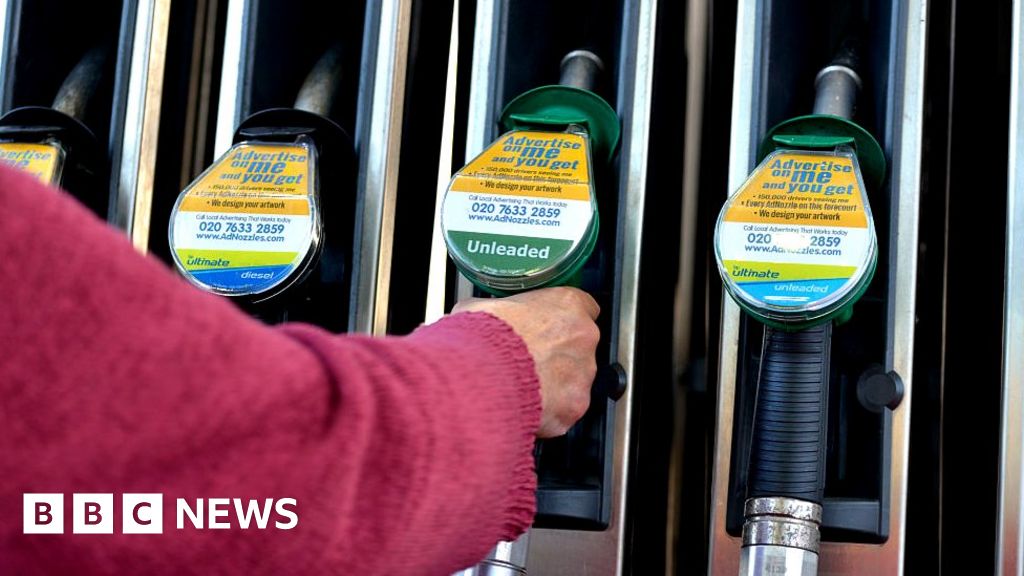
The cost of filling an average family car with petrol has hit £100 for the first time.
Why is petrol so expensive?
The cost of petrol has soared in recent days. The average price of petrol is now 182.31p per litre, and 188.05p per litre for diesel.
Fuel prices have increased sharply because the price for crude oil, which is used to make petrol and diesel, has gone up.
Crude oil was cheaper at the beginning of the Covid pandemic, because many businesses temporarily closed and demand for energy collapsed.
As life returned to normal, the demand for energy increased. But suppliers have struggled to keep up and prices have risen.
Another problem is that the oil used to make petrol is paid for in US dollars. The pound is weak against the dollar at the moment, which makes fuel even more expensive.
When do petrol prices change?
When crude oil prices move, petrol and diesel prices usually follow.
But petrol retailers don't always pass on all of the reductions to their customers immediately, or in full.
But the Petrol Retailers Association said customers had bought 15% less fuel in 2021 as a result of Covid. It said retailers had to make higher profits on each litre sold to cover costs.
What impact has the war in Ukraine had?
Fuel prices were already rising before the war in Ukraine started in February - and the fallout from Russia's invasion has made things worse.
Russia is one of the world's largest oil exporters, but sanctions are being introduced.
The US has announced a complete ban on Russian oil imports. The UK is to phase out Russian oil by the end of the year, and EU leaders say they will block most Russian oil imports by the end of 2022.
This means demand for oil from other producers has increased, leading to higher prices.
And although the UK imports just 6% of its crude oil from Russia, it is still affected when global prices rise.
What difference did cutting fuel duty make?
In March, the government said it would cut fuel duty on petrol and diesel by 5p per litre for a year.
At that time, petrol had hit 167p a litre, and diesel was close to hitting 180p for the first time.
However, with current average price levels above 180p for petrol and 186p for diesel, the 5p reduction has long been cancelled out.
When will prices come down?
Petrol prices are unlikely to come down until other oil producers are able to increase supplies to compensate for the loss of Russian oil.
The RAC says the government must take "drastic action", such as a further fuel duty reduction or a cut in VAT for fuel.
"This is fast becoming a national crisis for the country's 32 million car drivers, as well as countless businesses," it adds.
From Chip War To Cloud War: The Next Frontier In Global Tech Competition
The global chip war, characterized by intense competition among nations and corporations for supremacy in semiconductor ... Read more
The High Stakes Of Tech Regulation: Security Risks And Market Dynamics
The influence of tech giants in the global economy continues to grow, raising crucial questions about how to balance sec... Read more
The Tyranny Of Instagram Interiors: Why It's Time To Break Free From Algorithm-Driven Aesthetics
Instagram has become a dominant force in shaping interior design trends, offering a seemingly endless stream of inspirat... Read more
The Data Crunch In AI: Strategies For Sustainability
Exploring solutions to the imminent exhaustion of internet data for AI training.As the artificial intelligence (AI) indu... Read more
Google Abandons Four-Year Effort To Remove Cookies From Chrome Browser
After four years of dedicated effort, Google has decided to abandon its plan to remove third-party cookies from its Chro... Read more
LinkedIn Embraces AI And Gamification To Drive User Engagement And Revenue
In an effort to tackle slowing revenue growth and enhance user engagement, LinkedIn is turning to artificial intelligenc... Read more