

Fortescue: Firm Owned By Australia's Richest Man Buys Williams F1 Battery Arm
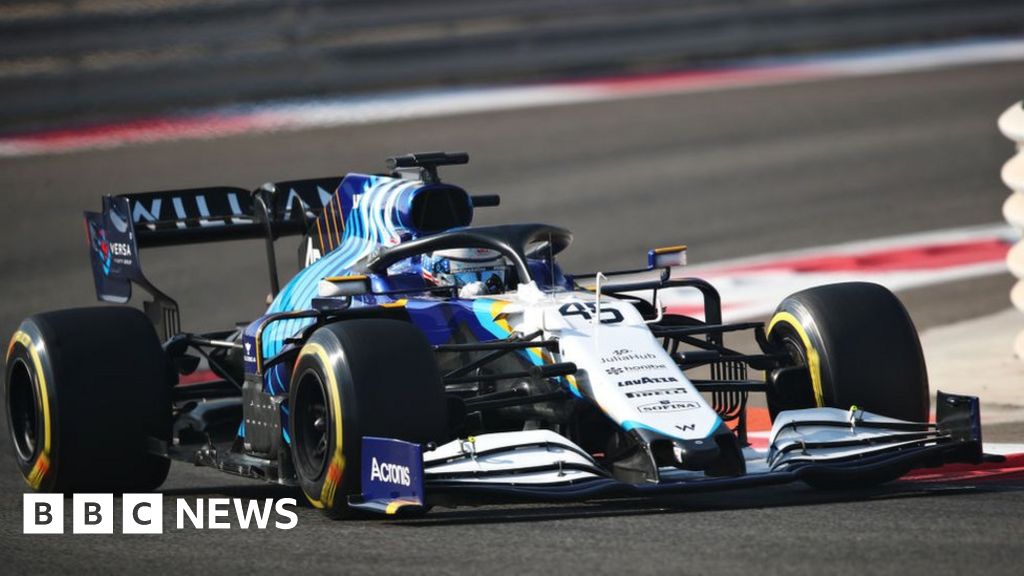
Image source, Getty Images
The mining giant founded by Australia's richest man is buying the battery and technology arm of the Williams Formula One racing team for $222.2m (£164m).
Fortescue Metals will purchase UK-based Williams Advanced Engineering from private equity firm EMK Capital and Williams Grand Prix Engineering.
The deal is aimed to help the iron ore producer achieve its target to be carbon neutral by 2030.
One of the first projects to be developed will be a battery train.
"This announcement is the key to unlocking the formula for removing fossil-fuel powered machinery and replacing it with zero carbon emission technology," Fortescue's founder and chairman, Andrew Forrest, said in a statement.
Mr Forrest, who has an estimated net worth of more than $18bn (£13.3bn), is known for investing in sustainable energy projects.
Under the deal, Oxfordshire-based Williams Advanced Engineering (WAE) will be integrated into the Fortescue's clean energy unit.
The Perth-based miner said it plans to use WAE's battery technology to power its freight trains, heavy industrial equipment and haulage trucks.
Fortescue has been developing a prototype battery for heavy industrial use since early last year.
Over the next decade, Mr Forrest aims to transform the world's fourth-biggest iron ore producer into one of the world's leading clean energy producers.
WAE, which calls itself "a world-leading technology and engineering business", was set up in 2010 by the Williams grand prix team to develop low carbon technology for vehicles.
Private equity firm EMK Capital bought a majority stake in the business just over two years ago.
The move comes after the outgoing president of the International Automobile Federation (FIA) Formula One motor racing Jean Todt told the BBC that it will not be possible for the sport to go electric for decades, saying: "It's simply not possible."
"In Formula One, a race distance is about 200 miles (305km). Without recharging, with the performance of the cars, electricity will not allow that," he added.
"Maybe in 20 years, 30 years, I don't know. But at the moment it would be simply impossible."
Separately last week, a firm planning mass production of electric car batteries in the UK secured government funding for its proposed factory in Northumberland.
Britishvolt announced plans for the so-called gigafactory in Cambois two years ago, saying it would create 3,000 jobs.
The BBC understands the government has committed about £100m through its Automotive Transformation Fund.
Britishvolt also announced backing from investors Tritax and Abrdn, that should unlock about £1.7bn in private funding.
You may also be interested in:
A look at some of the best tech news stories
From Chip War To Cloud War: The Next Frontier In Global Tech Competition
The global chip war, characterized by intense competition among nations and corporations for supremacy in semiconductor ... Read more
The High Stakes Of Tech Regulation: Security Risks And Market Dynamics
The influence of tech giants in the global economy continues to grow, raising crucial questions about how to balance sec... Read more
The Tyranny Of Instagram Interiors: Why It's Time To Break Free From Algorithm-Driven Aesthetics
Instagram has become a dominant force in shaping interior design trends, offering a seemingly endless stream of inspirat... Read more
The Data Crunch In AI: Strategies For Sustainability
Exploring solutions to the imminent exhaustion of internet data for AI training.As the artificial intelligence (AI) indu... Read more
Google Abandons Four-Year Effort To Remove Cookies From Chrome Browser
After four years of dedicated effort, Google has decided to abandon its plan to remove third-party cookies from its Chro... Read more
LinkedIn Embraces AI And Gamification To Drive User Engagement And Revenue
In an effort to tackle slowing revenue growth and enhance user engagement, LinkedIn is turning to artificial intelligenc... Read more