

Food Bills Are Set To Soar By £380 This Year
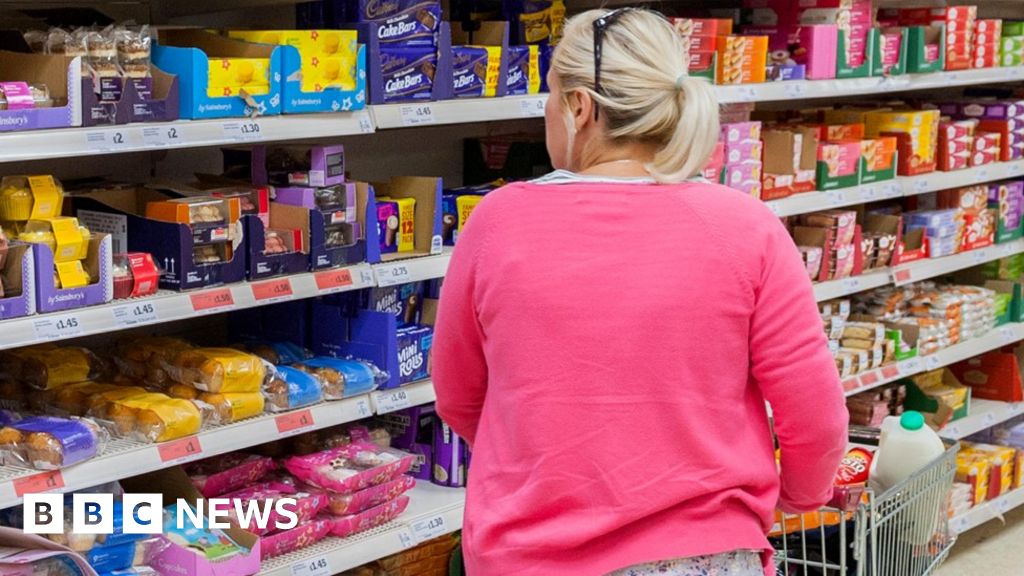
The average annual grocery bill in the UK is set to rise by £380 this year, according to research firm Kantar.
That means shoppers could be paying on average an extra £32 a month for food and other groceries.
Back in April, the firm predicted the cost of the average annual supermarket shop would go up by £271 in 2022.
The upward revision shows "just how sharp price increases have been recently and the impact inflation is having on the sector", said Kantar.
The survey also showed grocery prices rose by 8.3% over the past four weeks, the highest rate in 13 years.
"The inflation number makes for difficult reading and shoppers will be watching budgets closely as the cost-of-living crisis takes its toll," said Fraser McKevitt, head of retail and consumer insight at Kantar.
Official figures for April showed overall inflation - the increase in prices over time - was running at 9% a year in the UK - the highest rate for 40 years. The Bank of England has warned inflation might exceed 11% later this year as the prices of fuel and food put pressure on household budgets.
The latest inflation figures for May are due to be published on Wednesday.
Overall supermarket sales are declining, down by 1.9% in the 12 weeks to the 12 June - the smallest fall since October 2021.
Mr McKevitt said: "The sector hasn't been in growth since April 2021 as it measures up against the record sales seen during the pandemic. However, these latest numbers show the market is to an extent returning to pre-Covid norms as we begin comparisons with post-lockdown times."
Kantar said that online sales have continued to fall as lockdown restrictions eased, recording the 12th consecutive monthly fall to leave digital orders down nearly 9% in June.
It said this could be the result of people looking to further cut costs by " avoiding delivery charges" though it added that the recent good weather may be encouraging more people to take a trip to the supermarket.
The researchers also found shoppers are switching from branded items, sales of which are down by 1%, to supermarkets' own-label products.
"Sales of these lines, which are often cheaper, have risen by 2.9%, boosted by Aldi and Lidl's strong performances, both of whom have extensive own-label repertoires," said Mr McKevitt.
"We can also see consumers turning to value ranges, such as Asda Smart Price, Co-op Honest Value and Sainsbury's Imperfectly Tasty, to save money and together all value own-label lines grew by 12%."
Lidl was the fastest growing supermarket over the 12 weeks with sales up by 9.5%: Morrisons saw the biggest fall with sales down by 7.2%.
From Chip War To Cloud War: The Next Frontier In Global Tech Competition
The global chip war, characterized by intense competition among nations and corporations for supremacy in semiconductor ... Read more
The High Stakes Of Tech Regulation: Security Risks And Market Dynamics
The influence of tech giants in the global economy continues to grow, raising crucial questions about how to balance sec... Read more
The Tyranny Of Instagram Interiors: Why It's Time To Break Free From Algorithm-Driven Aesthetics
Instagram has become a dominant force in shaping interior design trends, offering a seemingly endless stream of inspirat... Read more
The Data Crunch In AI: Strategies For Sustainability
Exploring solutions to the imminent exhaustion of internet data for AI training.As the artificial intelligence (AI) indu... Read more
Google Abandons Four-Year Effort To Remove Cookies From Chrome Browser
After four years of dedicated effort, Google has decided to abandon its plan to remove third-party cookies from its Chro... Read more
LinkedIn Embraces AI And Gamification To Drive User Engagement And Revenue
In an effort to tackle slowing revenue growth and enhance user engagement, LinkedIn is turning to artificial intelligenc... Read more