

FCC Pulls The Plug On China Unicom's Permission To Provide Telecoms In The US
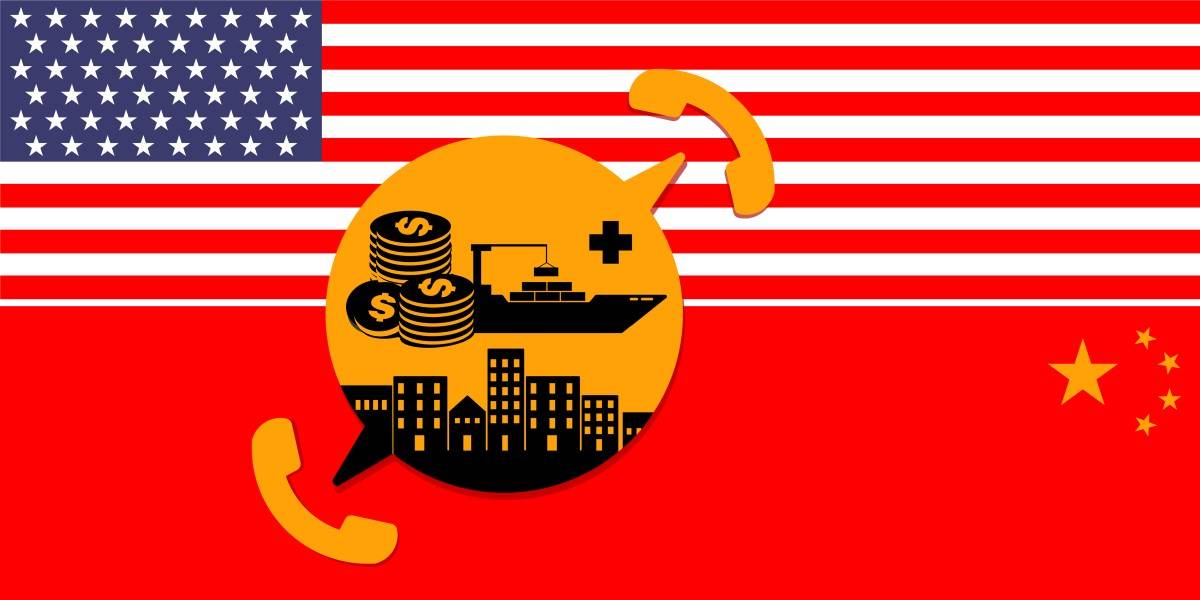
Updated Citing national security concerns, America's Federal Communications Commission has barred Chinese carrier China Unicom from providing telecoms services in the United States.
China Unicom Americas touts a wide range of technology services, and bills itself as "the trusted partner of US-based businesses seeking one-stop connectivity with China and beyond."
But the FCC believes no US business should trust China Unicom, for communications at least. The watchdog has investigated the provider's operations since early 2021, when it signaled its preference for revoking the carrier's authorization to operate telecommunications services in the Land of the Free. That's an authorization that's been in place for about 20 years.
In its announcement [PDF] on Thursday, the FCC cited four reasons for barring the Chinese tech giant:
- China Unicom Americas is a subsidiary of a state-owned enterprise and therefore likely to do Beijing's bidding when asked.
- The Chinese government could use China Unicom to "access, store, disrupt, and/or misroute US communications, which in turn allow them to engage in espionage and other harmful activities against the United States." Such actions were evidently not considered likely when China Unicom was permitted to do business in America.
- As US authorities tried to talk security with China Unicom, the carrier displayed "a lack of candour, trustworthiness, and reliability that erodes the baseline level of trust that the Commission and other US government agencies require of telecommunications carriers."
- Mitigation "would not address these significant national security and law enforcement concerns."
The FCC's revocation of authorization affects China Unicom's telecoms offerings; it can still provide data center services to US organizations, according to Geoffrey Starks, one of the FCC's commissioners.
If you're suffering deja vu, it's because some of the language the FCC has used today is almost identical to the wording used when it put the kibosh on another Chinese carrier – China Telecom – in October 2021.
Keeping Chinese entities out of US networks is also established policy: 2020's Clean Networks plan calls for Chinese carriers and kit to be expunged from US networks, and is backed by a $1.9bn reimbursement program that US telcos can use to rip'n'replace Huawei and ZTE kit and have Uncle Sam pick up the tab.
But the revocation of China Unicom's telecommunications authorization does bring in something new: Starks noted [PDF] that US Homeland Security believes using China-controlled data centers – including China Unicom's data centers – is a risk for US businesses because Beijing could compel Chinese operators to do anything to tenants' data and applications.
America's Clean Networks plan already calls for US entities to use only "clean clouds" and to prevent their data from residing in China-controlled clouds.
- China signs up 400 million new 5G subscribers in a year, more than doubling user population
- China’s top three telcos advise of imminent delisting from New York Stock Exchange
- Chinese officials declare intention to become network superpower, tout glorious 5G rollout that's smaller than local carriers' claims
- China showing signs of brewing IPv6 eruption
The FCC has no power to consider the national security risks posed by foreign clouds or data centers, and Starks thinks that may need to change. "We should work with the [White House] administration and Congress to examine whether the commission needs broader authority to tackle this and other network security threats."
Stark's statement offers no detail on how, or when, he plans to discuss such new powers. Nor did he detail the nature of the "other" threats he wants considered. The Register has contacted the commish to seek further information. We have also contacted China Unicom for comment. We will update this story if substantial information is forthcoming. ®
Updated to add at 0345 UTC, January 28
China Unicom has responded to our queries, and told us it is aware of the FCC's action. It added that it considers the FCC ban was made "without any justifiable grounds and without affording required due process.
"China Unicom Americas would act proactively to protect the rights and interests of the company and its customers. China Unicom (Hong Kong) Limited will closely follow the development of the situation."
From Chip War To Cloud War: The Next Frontier In Global Tech Competition
The global chip war, characterized by intense competition among nations and corporations for supremacy in semiconductor ... Read more
The High Stakes Of Tech Regulation: Security Risks And Market Dynamics
The influence of tech giants in the global economy continues to grow, raising crucial questions about how to balance sec... Read more
The Tyranny Of Instagram Interiors: Why It's Time To Break Free From Algorithm-Driven Aesthetics
Instagram has become a dominant force in shaping interior design trends, offering a seemingly endless stream of inspirat... Read more
The Data Crunch In AI: Strategies For Sustainability
Exploring solutions to the imminent exhaustion of internet data for AI training.As the artificial intelligence (AI) indu... Read more
Google Abandons Four-Year Effort To Remove Cookies From Chrome Browser
After four years of dedicated effort, Google has decided to abandon its plan to remove third-party cookies from its Chro... Read more
LinkedIn Embraces AI And Gamification To Drive User Engagement And Revenue
In an effort to tackle slowing revenue growth and enhance user engagement, LinkedIn is turning to artificial intelligenc... Read more