

European Right To Repair Resolution Headed For Vote
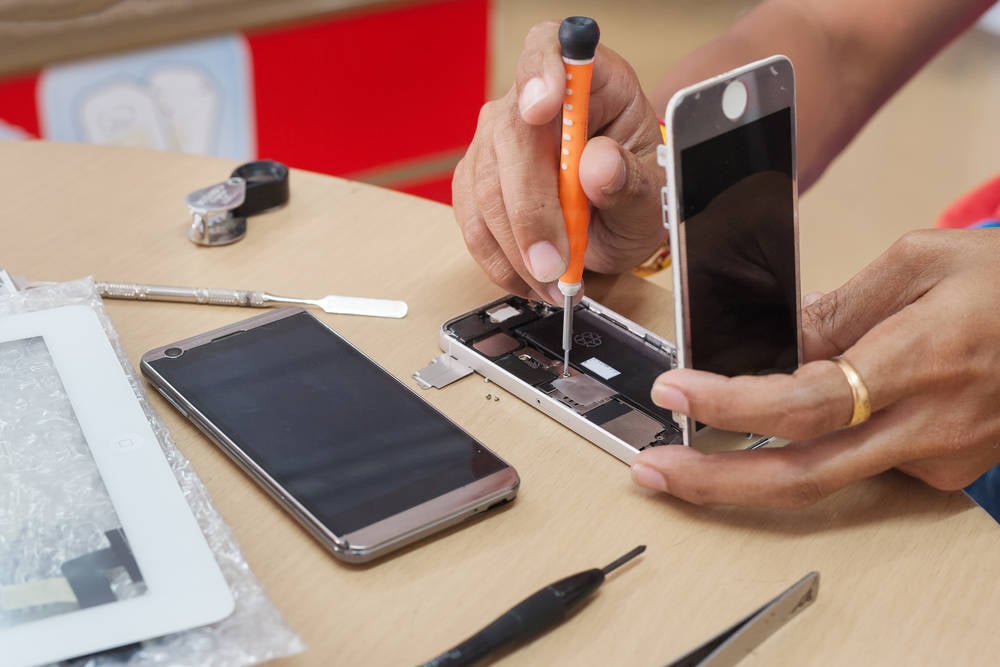
European lawmakers are voting in plenary on a Right to Repair resolution today amid calls for the initiative to go even further.
The draft motion for resolution [PDF] cited a survey that found 79 percent of EU citizens thought that manufacturers should make repairs easier, with 77 percent saying a repair would be preferable to replacement, and called for access to parts, repair information, and standardization among devices.
To that end, the motion emphasizes labels to indicate repairability and expected lifetime for products, access to parts and repair facilities, an extension to liability for defective goods beyond two years, and calls on the European Commission to "always take into account the highest possible level of consumer protection and consumer welfare."
The European Commission is no stranger to the "Right to Repair" movement, having kicked off reforms in 2020 aimed at getting manufacturers to improve their designs with a view to improving longevity and recycling. Apple was required to publish repairability scores for its products in France last year following the introduction of regulations requiring a repairability index on washing machines, smartphones, laptops, televisions, and electric lawnmowers.
The motion being voted on today appears to be a step right direction. In addition to access to spares and repairs, there is a call for the legal products guarantees to be extended.
"We believe," said Marcel Kolaja, Member and Quaestor of the European Parliament and member of the Committee on the Internal Market and Consumer Protection, "that longer guarantee periods will provide an incentive to choose repair over replace."
- The right to repairable broadband befits a supposedly critical utility
- Deere & Co won't give out software and data needed for repairs, watchdog told
- Right-to-repair laws proposed in the US aim to make ownership great again
- US President Joe Biden reminds the White House he is serious about repairability
"Manufacturers cannot force consumers to buy new products every other year," Kolaja went on. "That is certainly not the right way towards sustainability. Therefore, I am really glad to see that the Parliament calls for strengthening consumers' rights in today's resolution."
Patrick Breyer, Member of the European Parliament and German Pirate Party, agreed there was an opportunity to take things further: "While commercial manufacturers of IT devices must provide updates for a reasonable period of time according to current laws, there is so far no obligation to patch known vulnerabilities in a timely manner.
"There is also a lack of manufacturer liability for the often devastating consequences of such vulnerabilities. This must be changed. The source code and development tools should have to be made public to allow the community to maintain it as soon as a manufacturer decides to abandon a product that is still in widespread use."
The Right to Repair legislation continues to grind its way through the European Commission. Amendments to the Sale of Goods Directive aimed at making repair easier is expected by the end of 2022. Other requirements around the design of devices and batteries are also expected this year [PDF]. ®
From Chip War To Cloud War: The Next Frontier In Global Tech Competition
The global chip war, characterized by intense competition among nations and corporations for supremacy in semiconductor ... Read more
The High Stakes Of Tech Regulation: Security Risks And Market Dynamics
The influence of tech giants in the global economy continues to grow, raising crucial questions about how to balance sec... Read more
The Tyranny Of Instagram Interiors: Why It's Time To Break Free From Algorithm-Driven Aesthetics
Instagram has become a dominant force in shaping interior design trends, offering a seemingly endless stream of inspirat... Read more
The Data Crunch In AI: Strategies For Sustainability
Exploring solutions to the imminent exhaustion of internet data for AI training.As the artificial intelligence (AI) indu... Read more
Google Abandons Four-Year Effort To Remove Cookies From Chrome Browser
After four years of dedicated effort, Google has decided to abandon its plan to remove third-party cookies from its Chro... Read more
LinkedIn Embraces AI And Gamification To Drive User Engagement And Revenue
In an effort to tackle slowing revenue growth and enhance user engagement, LinkedIn is turning to artificial intelligenc... Read more