

Europe Slams Online Tat Bazaar AliExpress For Dodging Obligation To Stop Dodgy Traders
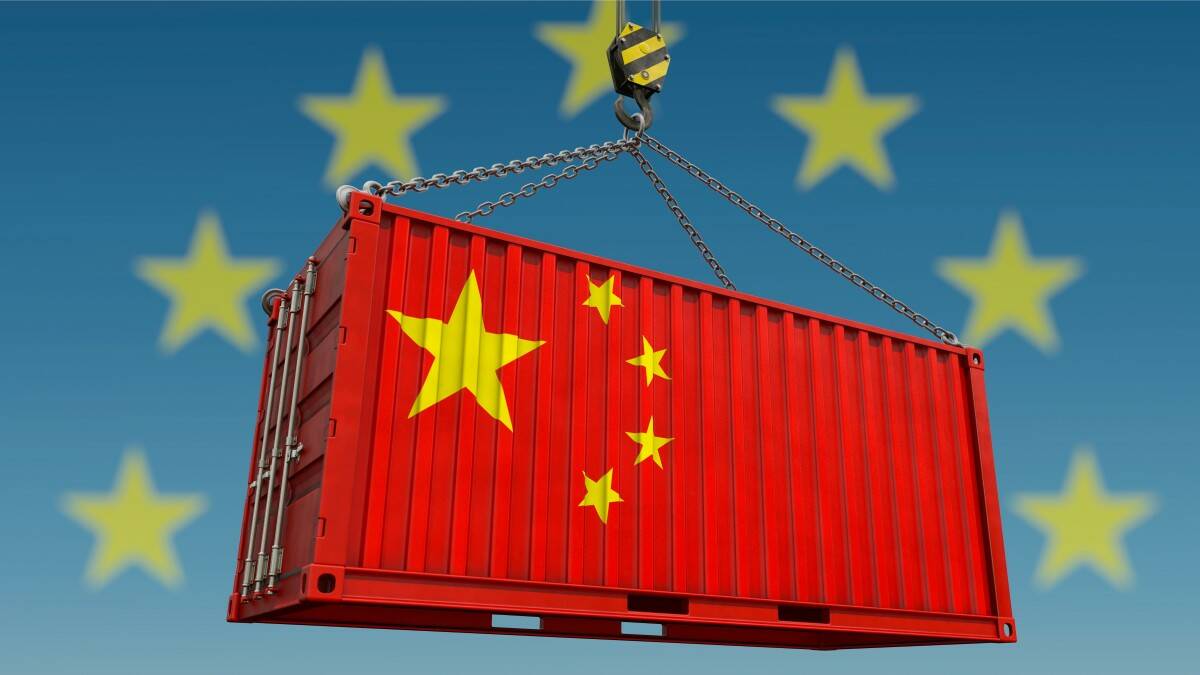
The European Commission has found Chinese e-tail giant AliExpress in breach of its obligation to assess and mitigate risks related to the dissemination of illegal products as required under the Digital Services Act (DSA).
A Wednesday announcement reveals an investigation opened in March 2024 found the following failures*:
- In its risk assessment, AliExpress does not take into account the limited resources devoted to its moderation systems to avoid the dissemination of illegal products, thereby underestimating such risk.
- AliExpress fails to appropriately enforce its penalty policy concerning traders that repeatedly post illegal content.
- AliExpress's pro-active content moderation systems show systemic failures, making the systems less effective and allowing manipulation by malicious traders.
While the above findings are preliminary, AliExpress has resolved to improve the processes and tools it uses to “monitor and detect illegal products, such as medicines, food supplements, and adult material.”
The company will pay special attention to “hidden links and affiliate programmes” and will also work harder to enable tracing of third party traders on its sites.
- Alibaba sued for selling a 3D printer that overheated, caught fire, and killed a man
- South Korea cracks down on offshore e-commerce, with seeming focus on China
- Bug hunter tricked SSL.com into issuing cert for Alibaba Cloud domain in 5 steps
- Amazon's retail wing tops list of take-down demands from Europe under new DSA law
Another undertaking will see AliExpress improve the transparency of its advertising and recommender systems, including the ads repository and personalization options offered to users. The EU also convinced AliExpress to provide data for researchers.
The EC will monitor AliExpress to ensure it’s doing all it has promised. If the Chinese company doesn’t lift its game the EC could levy fines under the DSA – meaning possible penalties of up to six percent of worldwide annual turnover.
The EC’s findings come at a tricky moment for AliExpress and its parent Alibaba Group, as their international e-commerce operations lose money. The Trump Administration’s tariff policies mean make products sold on AliExpress more expensive in the USA, meaning that massive market likely won’t be a source of increased sales or profits.
Growth in Europe may also be elusive. AliExpress considers some of the continent’s countries to be strategic markets and hopes to engage more European merchants with business models tailored to local needs. Whether those merchants will want to do business with an organization the EC has found to have several safety problems remains to be seen.
Alibaba must also manage the expectations of China’s government, which has called for Chinese e-commerce outfits to expand their activities in offshore markets. ®
*The Register has replicated the bold formatting used in the EC’s announcement.
From Chip War To Cloud War: The Next Frontier In Global Tech Competition
The global chip war, characterized by intense competition among nations and corporations for supremacy in semiconductor ... Read more
The High Stakes Of Tech Regulation: Security Risks And Market Dynamics
The influence of tech giants in the global economy continues to grow, raising crucial questions about how to balance sec... Read more
The Tyranny Of Instagram Interiors: Why It's Time To Break Free From Algorithm-Driven Aesthetics
Instagram has become a dominant force in shaping interior design trends, offering a seemingly endless stream of inspirat... Read more
The Data Crunch In AI: Strategies For Sustainability
Exploring solutions to the imminent exhaustion of internet data for AI training.As the artificial intelligence (AI) indu... Read more
Google Abandons Four-Year Effort To Remove Cookies From Chrome Browser
After four years of dedicated effort, Google has decided to abandon its plan to remove third-party cookies from its Chro... Read more
LinkedIn Embraces AI And Gamification To Drive User Engagement And Revenue
In an effort to tackle slowing revenue growth and enhance user engagement, LinkedIn is turning to artificial intelligenc... Read more