

Europe's USB-C Deadline: Lightning Must Be Struck From IPhone By December, 2024
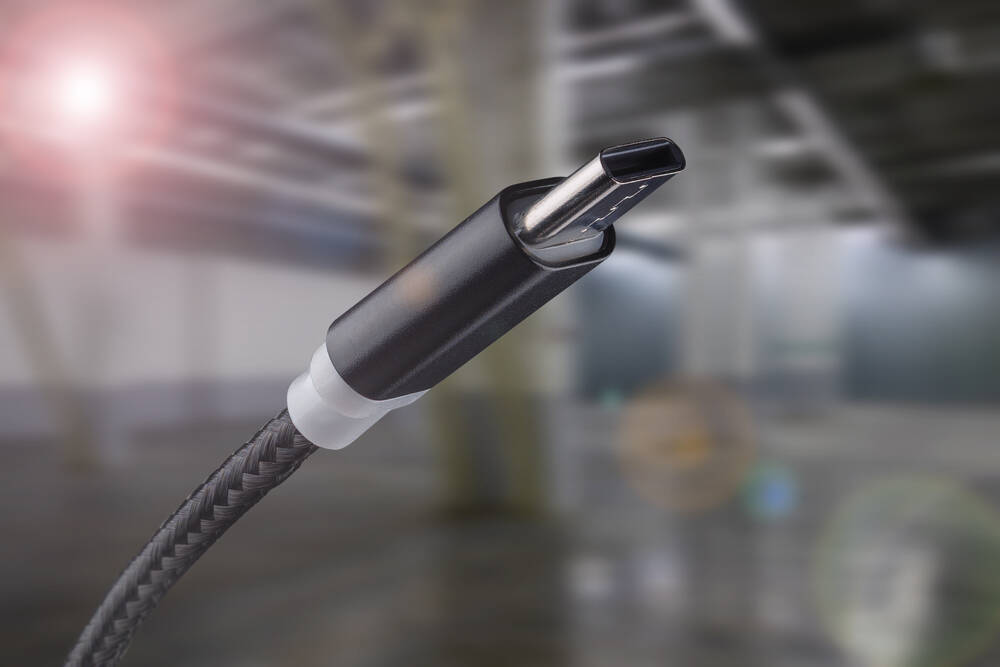
OEMs, start your assembly lines as the European Commission (EC) has published its USB-C rules, and an official date for enforcement has been set for December 28, 2024.
When the law comes into effect, any newly made radio equipment that can be charged with a wire, from smartphones and tablets to earbuds, mice and keyboards, will have to contain a USB-C port instead of an old micro USB port or one of Apple's Lightning ports.
The only exception to the law now on the books are laptops, which are being given until April 28, 2026, to comply with the rule. Devices that only charge wirelessly, like smartwatches, are exempt from the USB-C port requirements.
The EC first informed the world of its plans in June of this year, when it said it had agreed to add a single-charging solution to planned Radio Equipment Directive amendments.
It justified the proposed change by saying it would reduce electronic waste and simplify device charging for consumers. Beyond requiring manufacturers to simplify their cable landscape, the European Parliament said the standard would also eliminate confusing and variable fast-charging speeds, as all USB-C cables delivered with equipment would be required to offer 100 watts of power delivery.
Apple is the largest smartphone manufacturer to have resisted the adoption of USB-C, at least in some of its devices – the current generation of iPads have all ditched Lightning for USB-C. When talk of a planned single-charging standard in the European Union was raised again in late 2021, Apple was predictably against the move.
At the time, Apple said it was concerned that a single charging standard would stifle innovation, thereby harming consumers. Fast-forward to this past October when the USB-C law was signed, and Apple changed its tune, saying that it intended to conform with the EU's USB-C requirements.
Maltese MP Alex Agius Saliba said in June: "This is a rule which will apply to everyone. Now it's [not just a] Memorandum of Understanding [anymore] and having all the leeway that [Apple] had during the past 10 years – basically to not abide by this MoU – which was abided by the majority of manufacturers. So yes, Apple has to abide."
Apple's argument that adopting USB-C would stifle innovation simply doesn't hold much water, especially if Lightning ports are the alternative. Lightning can't offer the data transfer speeds that USB-C is capable of, it doesn't support USB 3.1 gen 2, and it's capped to just 14W of power delivery - all factors in USB-C's favor.
- One-size-fits-all chargers? What a great idea! Of course Apple would hate it
- Apple exec confirms iPhones will switch to USB-C because 'we have no choice'
- EU makes USB-C common charging port for most electronic devices
- Return of the Mac (mechanical): Vissles keyboard for fans of keeping a low profile
The vote on the proposal - 602 in favor, 13 against and 8 abstentions – may have also motivated Apple to realize it would have to leave the EU's single market before it got its way.
With Apple's typical release cycle of unveiling new iPhones in the fall, Apple will technically have a bit more time than December 2024 to get USB-C in its new devices. Apple has reportedly been testing USB-C in iPhones since earlier this year, meaning its possible USB-C iPhones could appear before the deadline.
Apple refused to comment. ®
From Chip War To Cloud War: The Next Frontier In Global Tech Competition
The global chip war, characterized by intense competition among nations and corporations for supremacy in semiconductor ... Read more
The High Stakes Of Tech Regulation: Security Risks And Market Dynamics
The influence of tech giants in the global economy continues to grow, raising crucial questions about how to balance sec... Read more
The Tyranny Of Instagram Interiors: Why It's Time To Break Free From Algorithm-Driven Aesthetics
Instagram has become a dominant force in shaping interior design trends, offering a seemingly endless stream of inspirat... Read more
The Data Crunch In AI: Strategies For Sustainability
Exploring solutions to the imminent exhaustion of internet data for AI training.As the artificial intelligence (AI) indu... Read more
Google Abandons Four-Year Effort To Remove Cookies From Chrome Browser
After four years of dedicated effort, Google has decided to abandon its plan to remove third-party cookies from its Chro... Read more
LinkedIn Embraces AI And Gamification To Drive User Engagement And Revenue
In an effort to tackle slowing revenue growth and enhance user engagement, LinkedIn is turning to artificial intelligenc... Read more