

EU Biometric Border System Faces More Delays
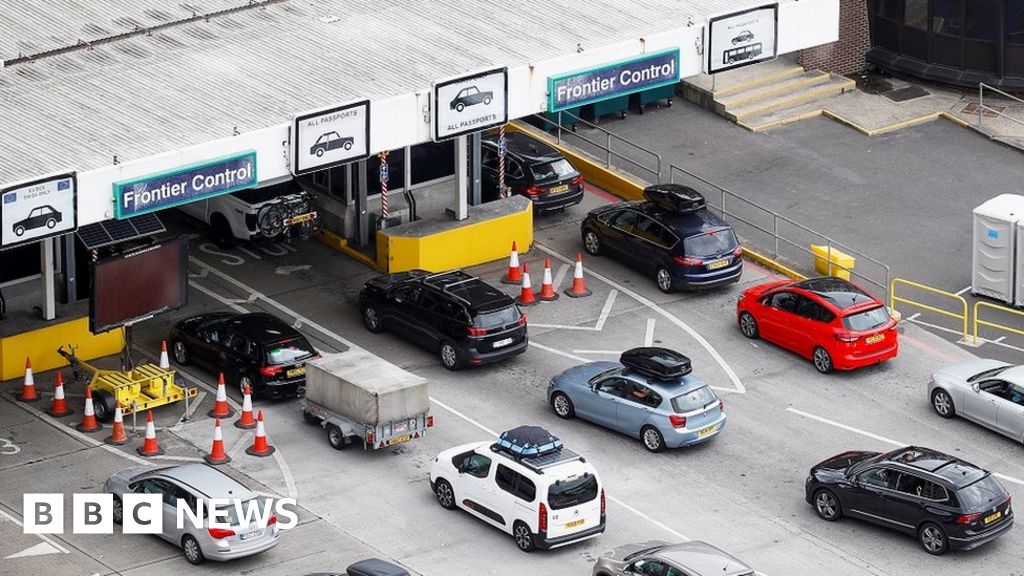
A new EU border control IT system which sparked fears of summer holiday queues at Dover has been delayed again.
The Entry/Exit System was due to be introduced in late May, having already been pushed back from last year.
A new timetable will aim to have the technology in place by the end of 2023.
Under the scheme people entering the bloc from non-EU countries - including the UK - will need to register fingerprints and a photo with their passport details.
Once travellers have given their fingerprints and details, that registration will be valid for three years.
During that time it must be validated every time someone crosses the border. This will replace passport-stamping.
The Port of Dover previously warned the time taken for initial registration at the port could cause queues.
The former boss of Eurostar, who left in the autumn, had also expressed concern.
Pushed back
Records from an EU agency's board meeting last week said the May 2023 date was "considered no longer achievable", blaming contractor delays.
The EU-LISA agency, which is based in Tallinn and deals with big IT programmes for the bloc, is now planning a revised timetable.
A summary from a meeting last Thursday said: "Border crossing points should be fully equipped for the use of the Entry/Exit System by the end of the year."
The European Commission has been approached for comment.
Delay concerns
When travelling from Dover, entry to France is checked by passport officers at the UK port.
In September, Doug Bannister, chief executive of the Port of Dover, warned that it could take 10 minutes to register one car carrying four people.
The technology to be used was unclear, but if it was a tablet computer, it could cause delays as it was passed round in a car, he said at the time.
He warned the system seemed designed for an airport environment, rather than people travelling in vehicles, and the port had safety concerns around people being made to get out of their vehicles in the busy terminal.
However, a spokesperson for the UK government said on Tuesday that passengers would "not experience unnecessary delays at the border".
The government is "working closely with port authorities, operators and the French government to make sure passengers are prepared," the spokesperson said.
From Chip War To Cloud War: The Next Frontier In Global Tech Competition
The global chip war, characterized by intense competition among nations and corporations for supremacy in semiconductor ... Read more
The High Stakes Of Tech Regulation: Security Risks And Market Dynamics
The influence of tech giants in the global economy continues to grow, raising crucial questions about how to balance sec... Read more
The Tyranny Of Instagram Interiors: Why It's Time To Break Free From Algorithm-Driven Aesthetics
Instagram has become a dominant force in shaping interior design trends, offering a seemingly endless stream of inspirat... Read more
The Data Crunch In AI: Strategies For Sustainability
Exploring solutions to the imminent exhaustion of internet data for AI training.As the artificial intelligence (AI) indu... Read more
Google Abandons Four-Year Effort To Remove Cookies From Chrome Browser
After four years of dedicated effort, Google has decided to abandon its plan to remove third-party cookies from its Chro... Read more
LinkedIn Embraces AI And Gamification To Drive User Engagement And Revenue
In an effort to tackle slowing revenue growth and enhance user engagement, LinkedIn is turning to artificial intelligenc... Read more