

Cosmetics Maker Revlon Files For Bankruptcy In US
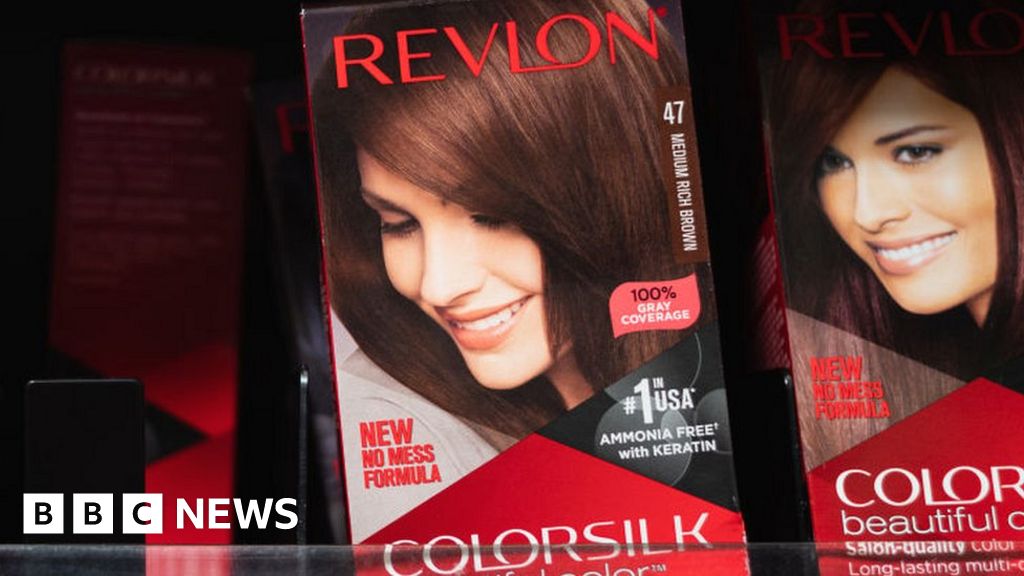
Cosmetics maker Revlon has filed for bankruptcy in the US, as it says supply chain disruptions have driven up the cost of raw materials for its products.
The 90-year-old firm says it has also been struggling with supplier payments, inflation and labour shortages.
The company says it expects to receive $575m (£466.6m) from its existing lenders to support day-to-day operations.
Its shares lost more than 13% in New York trading after the announcement.
In a court filing, the company said that supply chain disruptions had prompted intense competition for the ingredients used in its cosmetics. It added that suppliers have also asked to be paid for orders upfront.
This has caused "shortages of necessary ingredients across the company's portfolio," Revlon's chief restructuring officer Robert Caruso said in the filing.
"For example, one tube of Revlon lipstick requires 35 to 40 raw materials and component parts, each of which is critical to bringing the product to market," he added.
As well as the Revlon brand, the company also owns well-known names such as Elizabeth Arden, Almay and Cutex, and fragrances fronted by Christina Aguilera and Britney Spears.
In recent years it has faced increased competition from new brands like those backed by celebrities such as Kylie Jenner's Kylie Cosmetics and Rihanna's Fenty Beauty.
By filing for Chapter 11 bankruptcy protection in the US Revlon will be able to continue to operate while it is working out a plan to repay its creditors.
Revlon's president and chief executive Debra Perelman said the bankruptcy filing will allow the company to "offer our customers the iconic products we have delivered for decades, while providing a clearer path for our future growth".
However, the New York Stock Exchange said on Thursday that it had started the process of removing the company's shares from its platform.
Revlon was formed in 1932 by brothers Charles and Joseph Revson and Charles Lachman and started selling nail polish soon after. By the mid-1950s it had become an international brand.
It was bought by billionaire businessman Ronald Perelman's MacAndrews & Forbes in 1985. Revlon now sells its products in more than 150 countries.
Earlier this year, Revlon warned that it was facing "liquidity constraints brought on by continued global challenges, including supply chain disruption and rising inflation".
It had $3.3bn of long-term debt at the end of March, and reports of its impending bankruptcy last week caused a slide in its share price.
You may also be interested in:
Ros Atkins On… Global Supply Chain Disruption
From Chip War To Cloud War: The Next Frontier In Global Tech Competition
The global chip war, characterized by intense competition among nations and corporations for supremacy in semiconductor ... Read more
The High Stakes Of Tech Regulation: Security Risks And Market Dynamics
The influence of tech giants in the global economy continues to grow, raising crucial questions about how to balance sec... Read more
The Tyranny Of Instagram Interiors: Why It's Time To Break Free From Algorithm-Driven Aesthetics
Instagram has become a dominant force in shaping interior design trends, offering a seemingly endless stream of inspirat... Read more
The Data Crunch In AI: Strategies For Sustainability
Exploring solutions to the imminent exhaustion of internet data for AI training.As the artificial intelligence (AI) indu... Read more
Google Abandons Four-Year Effort To Remove Cookies From Chrome Browser
After four years of dedicated effort, Google has decided to abandon its plan to remove third-party cookies from its Chro... Read more
LinkedIn Embraces AI And Gamification To Drive User Engagement And Revenue
In an effort to tackle slowing revenue growth and enhance user engagement, LinkedIn is turning to artificial intelligenc... Read more