

Chips Still Down For Toyota: Low Semiconductor Supplies Dampen Output
Semiconductor shortages might have peaked in some sectors but the automotive industry is still reaching to secure as many chips as it can, with Toyota outlining the continued ramifications.
The Japanese car giant, which also sells motors under the Daihatsu and Hino brands, said this morning that unit sales and production between January and July dropped well below the prior year's number.
This, it added, was due to the "impact from the spread of COVID-19, as well as the parts supply shortages caused by the increased demand for semiconductors."
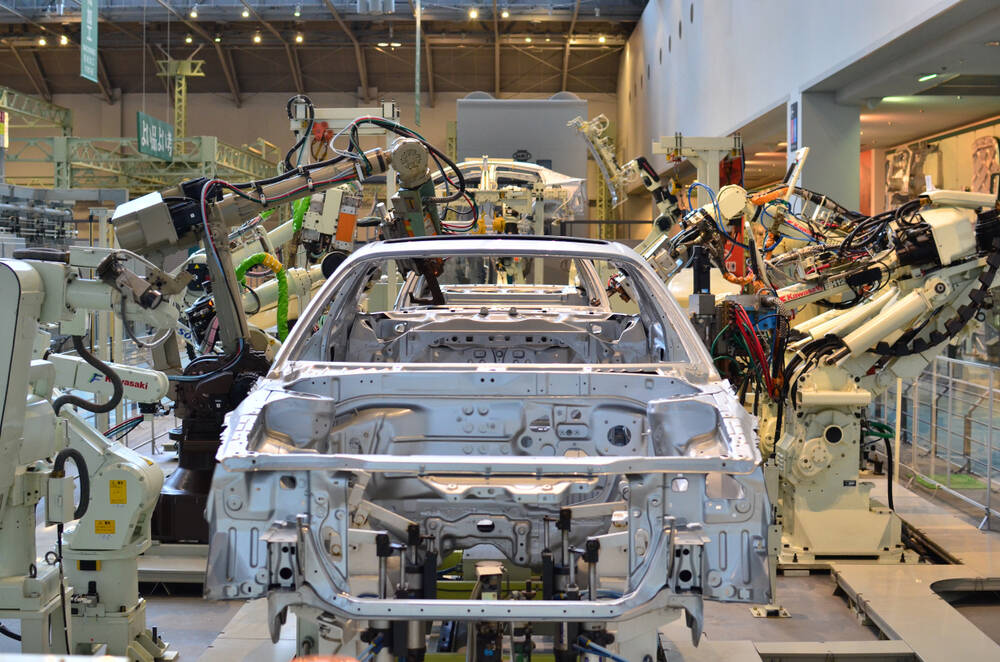
Automotive assembly industry exhibition at Toyota factory tour in Nagoya, Japan
Production globally fell 6.9 percent year-on-year to 835,192 units, and Toyota said July was the fourth straight month of annual declines. Worldwide sales were down 6.1 percent to more than six million vehicles.
Toyota said: "The situation remains difficult to predict due to semiconductor shortages and COVID-19. However, we will continue to carefully monitor the parts supply chain and minimize sudden decreases in production as much as possible while making every effort to deliver as many vehicles [as possible] to our customers at the earliest date."
Various market-watchers including Gartner, Omdia and investment banker Jefferies forecast a freeing of semiconductor availability some months back but the car makers have yet to catch up.
The car industry was plunged into panic in 2020 when the pandemic influenced all to reduce output. They cancelled chip orders and went to the back of the queue when it came time to recommence fuller production schedules.
Earlier this month, AutoForecast Solutions revealed that around 3.8 million vehicles worldwide were cut from global production schedules so far in 2022 including 1.06 million in North America and 1.04 million in Europe. Still, that's progress of sorts compared to the 11.3 million cancellations in 2021 due to chip supplies.
At the start of August, BMW clipped its production output with CEO Oliver Zipse pointing to chips as the root cause. "Semiconductor supply difficulties remain the dominant and decisive issue for our sales performance."
Ashcan Gupta, CFO at Nissan said in July that it tried to take "steps to secure inventory levels with chip suppliers and allocated chips to priority products and markets.
"In the mid-term, we are developing alternative semiconductors and also replacing custom-made semiconductors with general-purpose semiconductors. We will provide suppliers medium to long-term production outlook to ensure they align and meet supply commitment."
- Software developer cracks Hyundai car security with Google search
- US car industry leads the world in production cuts over chip shortages
- ASML CEO: Industrial conglomerate buying washing machines to rip out semiconductors
- Toyota's truck brand Hino admits faking and fudging emissions data for 20 years
- General Motors goes electric with $2.5b US government loan for battery plants
Volkswagon reckons it'll be 2024 before the underlying structural problems in chip availability are resolved. Meanwhile, Volvo CEO Martin Lundstedt said in July the company was still being confronted by a "lot of uncertainty in the supply chain's short type of commitments… when it comes to electronics and semiconductors."
Infineon, the largest chipmaker to car manufacturers, has revised its financial outlook upwards on three occasions this year amid what it described as continued heightened demand. ®
From Chip War To Cloud War: The Next Frontier In Global Tech Competition
The global chip war, characterized by intense competition among nations and corporations for supremacy in semiconductor ... Read more
The High Stakes Of Tech Regulation: Security Risks And Market Dynamics
The influence of tech giants in the global economy continues to grow, raising crucial questions about how to balance sec... Read more
The Tyranny Of Instagram Interiors: Why It's Time To Break Free From Algorithm-Driven Aesthetics
Instagram has become a dominant force in shaping interior design trends, offering a seemingly endless stream of inspirat... Read more
The Data Crunch In AI: Strategies For Sustainability
Exploring solutions to the imminent exhaustion of internet data for AI training.As the artificial intelligence (AI) indu... Read more
Google Abandons Four-Year Effort To Remove Cookies From Chrome Browser
After four years of dedicated effort, Google has decided to abandon its plan to remove third-party cookies from its Chro... Read more
LinkedIn Embraces AI And Gamification To Drive User Engagement And Revenue
In an effort to tackle slowing revenue growth and enhance user engagement, LinkedIn is turning to artificial intelligenc... Read more