

Chipmakers Are Crippling Products To Evade US China Ban
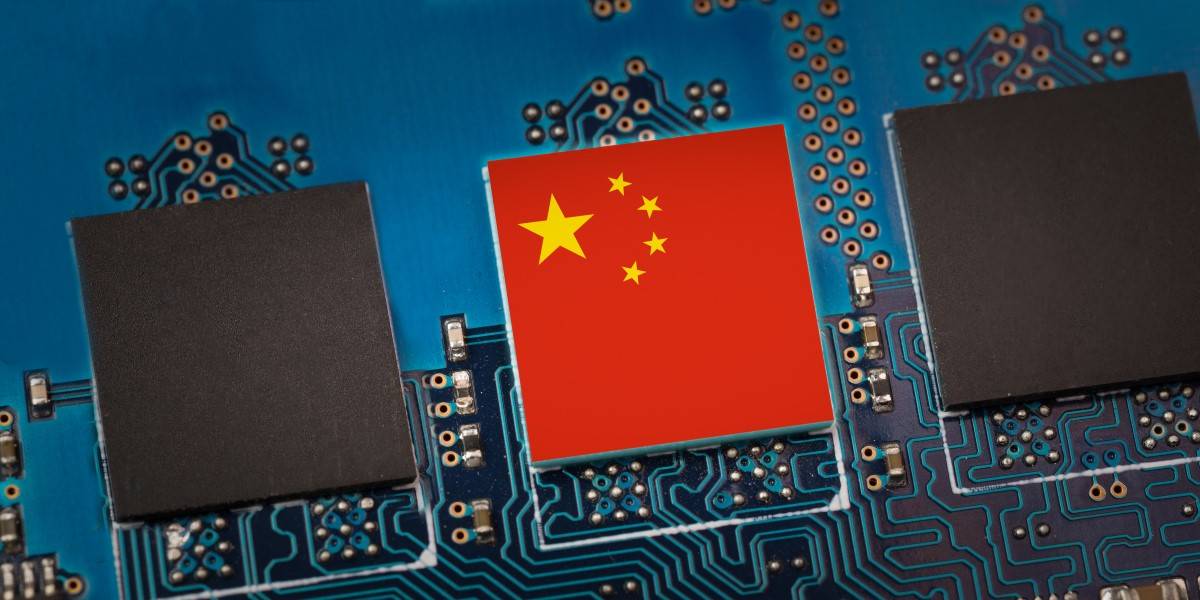
Systems that once contained Nvidia and TSMC chips, which are now restricted by the US government, are popping up this week with slower specs to meet US export controls to China and evade the hassles of obtaining special licenses.
Chinese server maker Inspur was spotted swapping out the its A100 Graphic Processing Unit (GPU) in its NF5688MG [PDF] for an A800 in updated promotional material.
H3C, the China-based Tsinghua Group and Hewlett Packard mashup, are also suddenly featuring the A800 on select servers.
According to specs provided online by Chinese server-maker Omnisky, which also uses the chip, it remains eerily similar to the A100, [PDF] but with a 40GB PCIe option available in the A800, in addition to a 80GB PCIe and 80GB SXM available in both models.
The A800 has a degraded transfer rate of 400GBps across all three variations, as opposed to the 600GBps in the A100, thus falling in line with US law that restrict 600GBps and above being shipped to the Middle Kingdom. The Register asked Nvidia about the A800 and will update if substantial information arises.
- China chip imports down 12.4% as tech trade war with US intensifies
- US bars Nvidia and AMD from selling AI-centric accelerators to China and Russia
- China's drive for efficient datacenters has made liquid cooling mainstream
- Intel fires up internal foundry model to make its own chips
An Nvidia spokesperson told The Reg:
Nvidia’s NVIDIA A100 Tensor Core GPU, the A100x, which adds a data processing unit (SmartNIC) to the A100, and the H100 GPU that Nvidia claims will enhance natural language processing apps, were all put under a new license requirement as worries swarmed that they would end up in Chinese or Russian military hands.
Nvidia warned in a late August SEC filing that new US export license requirements could hinder the development of the H100 and support for A100 customers and potentially require some operations be moved out of China. The company also said its Q3 2022 forecast could be rendered inaccurate as it included $400 million in sales to China that might not happen.
Meanwhile, GPUs still in development and produced by Taiwan Semiconductor Manufacturing Company (TSMC) under contract for Alibaba and startup Biren Technology also reportedly have reduced processor speeds.
China's domestic chip facilities still have a long way to go to be globally competitive. However, Biren did have a frontrunner in the making, but amid uncertainty about its potential legality, TSMC had reportedly put the brakes on the silicon.
Biren’s BR100 was pitched as an Nvidia H100 rival. The drag of the chip’s transfer rate from 640GBps to 576GBps, at least in its marketing material if not in real life, would allow TSMC to produce the GPU without facing US scrutiny. ®
From Chip War To Cloud War: The Next Frontier In Global Tech Competition
The global chip war, characterized by intense competition among nations and corporations for supremacy in semiconductor ... Read more
The High Stakes Of Tech Regulation: Security Risks And Market Dynamics
The influence of tech giants in the global economy continues to grow, raising crucial questions about how to balance sec... Read more
The Tyranny Of Instagram Interiors: Why It's Time To Break Free From Algorithm-Driven Aesthetics
Instagram has become a dominant force in shaping interior design trends, offering a seemingly endless stream of inspirat... Read more
The Data Crunch In AI: Strategies For Sustainability
Exploring solutions to the imminent exhaustion of internet data for AI training.As the artificial intelligence (AI) indu... Read more
Google Abandons Four-Year Effort To Remove Cookies From Chrome Browser
After four years of dedicated effort, Google has decided to abandon its plan to remove third-party cookies from its Chro... Read more
LinkedIn Embraces AI And Gamification To Drive User Engagement And Revenue
In an effort to tackle slowing revenue growth and enhance user engagement, LinkedIn is turning to artificial intelligenc... Read more