

Chip Shortages, Sure, But It's A Good Time To Be A Silicon Wafer Maker
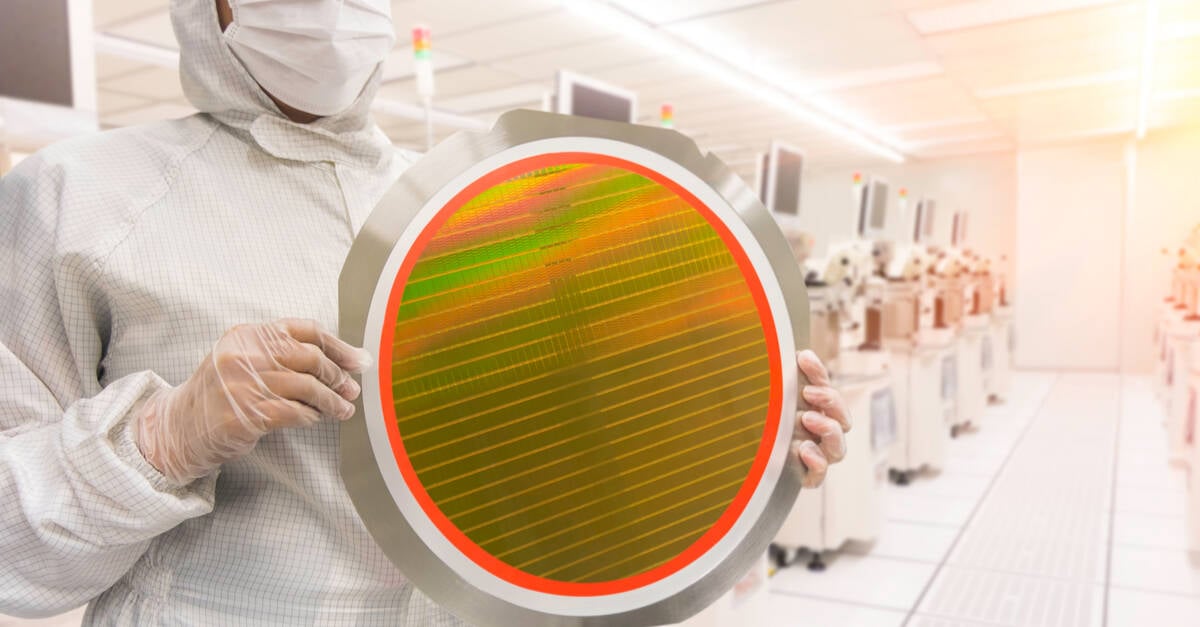
Wafer builders have just enjoyed their best year since 2007, according to industry body SEMI.
This is, as you might well imagine, linked to demand for microchips in the COVID-19 pandemic for personal computers, backend servers, and more. A demand so high that it has outstripped supply.
"The robust year-over-year growth in silicon wafer area shipments and revenue reflects the heavy dependence of the modern economy on silicon wafers," said Neil Weaver, outgoing chairman of SEMI this week.
"Wafers are the engine of digital transformation and new technologies that are reshaping how we live and work."
For 2021, silicon wafer revenue grew 13 per cent to $12.6bn, according to SEMI, surpassing 2007's record-setting $12.1bn. Annual sales between 2011 and 2017 had bobbed between $9.9bn and $7.2bn, shot up to $11.4bn in 2018, drifted down to $11.2bn, then bounced up in 2021.
The amount of silicon the industry shipped grew 14 per cent from 12.4 billion square inches (80 billion cm2) in 2020 to 14.165 billion square inches (91.4 billion cm2) last year. 300mm, 200mm and 150mm wafer sizes proved particularly popular among buyers, we're told. SEMI's silicon wafer figures cover semiconductor components, and not solar energy parts, we note.
- New chip-stuff factories are like buses: You wafer ages then two come along at once
- Dear chip designers, if you're struggling to get components made, try 28nm. Supply set to overtake demand
- German regulators nix Taiwanese titan GlobalWafers' acquisition of Siltronic
- Intel R&D spending surges after years of neglect as Gelsinger pledges to make Chipzilla great again
While SEMI didn't give out data on production locations, it's an increasingly important factor in global geopolitics. Both America and Europe have declared an interest in spawning homegrown production of wafers and chip-making.
Earlier this week the EU pledged €11bn ($12.6bn) to kick-start domestic wafer and semiconductor manufacturing. By 2030 a total of €43bn ($49bn) of subsidies and tax breaks are also set to be up for grabs.
Asia isn't going to be left behind either. Earlier this month Global Wafers announced massive expansion plans for its wafer-producing facilities following the rejection of its takeover of German maker Siltronic. And Toshiba announced plans for a new factory in Japan that will more than double its wafer output.
In the long term, the world's demand for wafers is only going to go up – though the market ebbs and flows. With mounting evidence that the chip market is heading for some oversupply issues, wafer makers should enjoy the good times while they can. ®
From Chip War To Cloud War: The Next Frontier In Global Tech Competition
The global chip war, characterized by intense competition among nations and corporations for supremacy in semiconductor ... Read more
The High Stakes Of Tech Regulation: Security Risks And Market Dynamics
The influence of tech giants in the global economy continues to grow, raising crucial questions about how to balance sec... Read more
The Tyranny Of Instagram Interiors: Why It's Time To Break Free From Algorithm-Driven Aesthetics
Instagram has become a dominant force in shaping interior design trends, offering a seemingly endless stream of inspirat... Read more
The Data Crunch In AI: Strategies For Sustainability
Exploring solutions to the imminent exhaustion of internet data for AI training.As the artificial intelligence (AI) indu... Read more
Google Abandons Four-Year Effort To Remove Cookies From Chrome Browser
After four years of dedicated effort, Google has decided to abandon its plan to remove third-party cookies from its Chro... Read more
LinkedIn Embraces AI And Gamification To Drive User Engagement And Revenue
In an effort to tackle slowing revenue growth and enhance user engagement, LinkedIn is turning to artificial intelligenc... Read more