

Chinese Funding Backs Sale Of British MicroLED Specialist
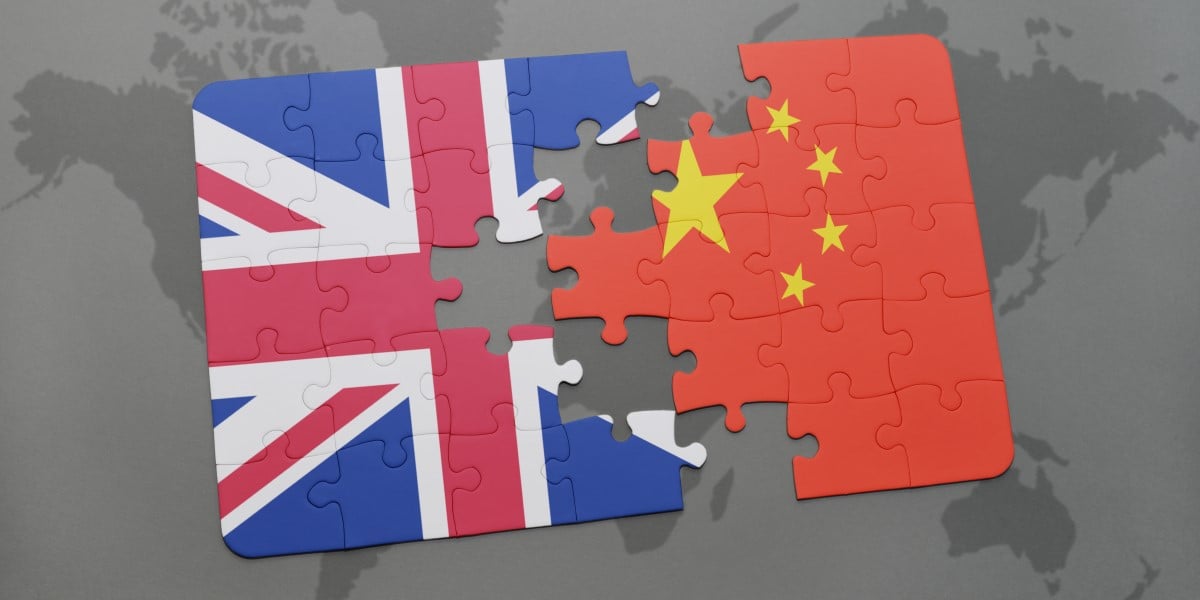
The UK's Plessey Semiconductors has been acquired by Haylo Labs, using funding supplied by a Chinese company, Goertek Inc. The move was cleared by the British government.
Plymouth-based Plessey is an offshoot of one of the UK's oldest semiconductor companies and today specializes in microLED display technology. It announced earlier this year that it was working with social media giant Meta on the microLED display for its augmented reality (AR) glasses.
The company has now been absorbed by Haylo Labs, an associated company of venture capital biz Haylo Ventures, in a transaction that closed on August 19.
While Haylo is a UK-based concern, it secured the funding for the deal via a five-year $100 million loan from Goertek Inc, a Chinese maker of AI smart glasses and AR products based in Shandong province.
According to legal newswire MLex, the transaction was given national security clearance to proceed following a review under the National Security and Investment Act 2021 (NSIA), which empowers the government to scrutinize takeovers and intervene where there is a need to protect national security.
We asked the Cabinet Office of the UK government for comment, but a spokesperson told us that it can only confirm in cases where the Investment Security Unit has taken action to prevent an acquisition.
A source confirmed to The Register that the Haylo Labs' acquisition of Plessey has been approved by the UK government, having cleared the necessary national security checks under the NSIA.
Meanwhile, Goertek is a trusted partner to many of the world's leading technology brands, we are informed.
This decision would appear to be at odds with the position that the British government took just a few years ago when it used its authority under the NSIA to unpick the sale of Newport Wafer Fab, Britain's largest chipmaking facility, to Dutch semiconductor company Nexperia.
The reason for Whitehall's intervention in that case was that Nexperia had itself become a subsidiary of Chinese firm Wingtech Technology. Newport Wafer Fab ended up being acquired by a US concern, Vishay Intertechnology. Given the current geopolitical situation, with US President Trump increasingly cozying up to Russia and taking a skeptical stance toward NATO and other longstanding alliances, it's questionable how much better that outcome was for UK interests.
The NSIA has also been invoked in at least one other case involving Chinese ownership: FTDI, a Scottish fabless semiconductor company specializing in USB devices.
Plessey welcomed the takeover by Haylo, claiming that the VC has committed to investing over £100 million ($135 million) into the business over the next five years to scale Plessey's manufacturing capacity and grow its skilled workforce.
It says that the international microLED market is forecast to grow from £2.7 billion ($3.7 billion) in 2024 to over £592 billion ($800 billion) by 2034, driven by demand for AR and virtual reality (VR) products, plus automotive displays.
- Fried chips: UK's nascent semi industry risks faltering
- 'Trained monkey' from tech support saved know-it-all manager's mistake with a single keypress
- Grow a new Arm: UK advisory body wants investment in local AI chips
- TechUK demands that Britain's chip strategy is crisped up
In a canned statement, Haylo Labs chief exec David Hayes said that "Plessey has built the world's most advanced microLED platforms, with the highest efficiency to date, and is one of the only facilities in the world that can offer customers an end-to-end design and manufacturing facility with technology and talent that surpasses rivals anywhere globally."
It was also endorsed by the local Member of Parliament, Luke Pollard, who claimed the takeover is "fantastic news" for Plymouth and the UK's technology sector.
"I welcome all investment in Plymouth, particularly in advanced manufacturing. I look forward to meeting the new owners so we can continue to make Plessey a local success story," he said. ®
From Chip War To Cloud War: The Next Frontier In Global Tech Competition
The global chip war, characterized by intense competition among nations and corporations for supremacy in semiconductor ... Read more
The High Stakes Of Tech Regulation: Security Risks And Market Dynamics
The influence of tech giants in the global economy continues to grow, raising crucial questions about how to balance sec... Read more
The Tyranny Of Instagram Interiors: Why It's Time To Break Free From Algorithm-Driven Aesthetics
Instagram has become a dominant force in shaping interior design trends, offering a seemingly endless stream of inspirat... Read more
The Data Crunch In AI: Strategies For Sustainability
Exploring solutions to the imminent exhaustion of internet data for AI training.As the artificial intelligence (AI) indu... Read more
Google Abandons Four-Year Effort To Remove Cookies From Chrome Browser
After four years of dedicated effort, Google has decided to abandon its plan to remove third-party cookies from its Chro... Read more
LinkedIn Embraces AI And Gamification To Drive User Engagement And Revenue
In an effort to tackle slowing revenue growth and enhance user engagement, LinkedIn is turning to artificial intelligenc... Read more