

Chinese Drone-maker DJI Denies Aiding Russia's Ukraine Invasion
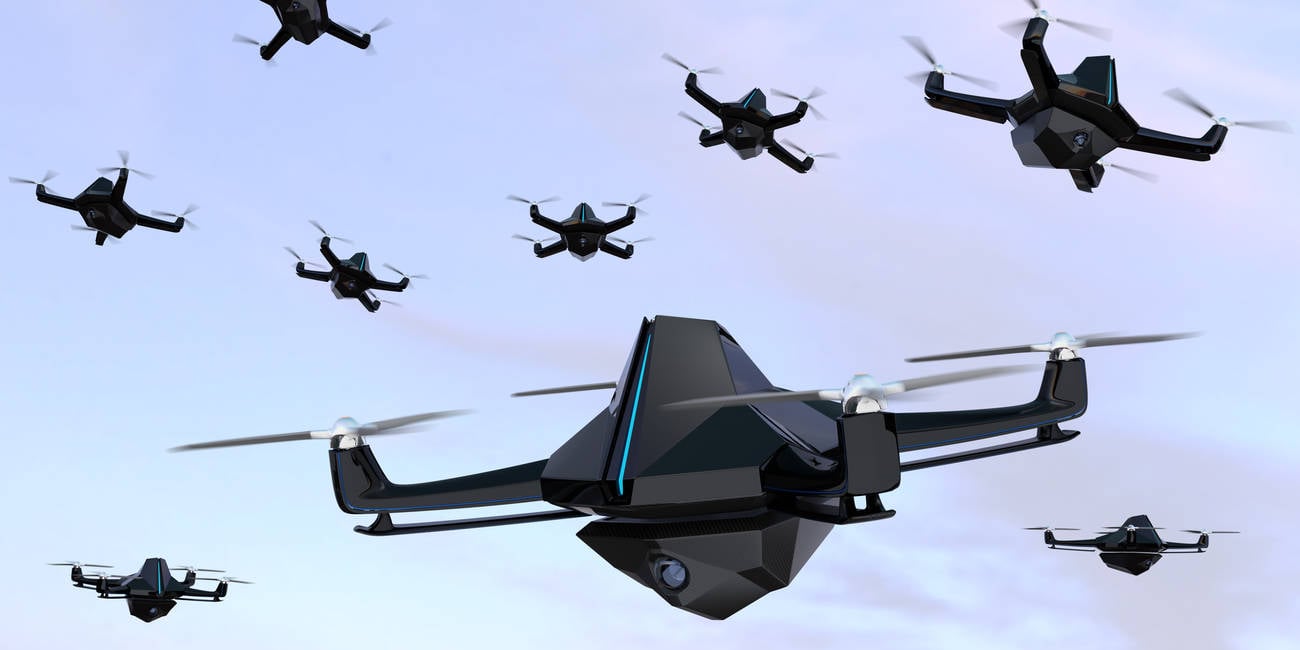
Chinese drone-maker DJI has denied multiple allegations it has aided Russia's military during the illegal invasion of Ukraine – an extraordinary claim, as the firm has previously come to the attention of US authorities for leaking data and aiding human rights abuses.
DJI's involvement in Russia's illegal invasion first became an issue around March 11, when allegations emerged that Ukrainian users were unable to use a DJI drone detection product called DJI AeroScope that the Chinese company bills as "a comprehensive drone detection platform that rapidly identifies UAV communication links, gathering information such as flight status, paths, and other information in real time."
Russian users could run AeroScope, leading to accusations that DJI was assisting Moscow.
DJI is already a pariah in the US, which has included it on the Entity List forbidden to access US tech, and banned the US military from using its products. The USA has even forbidden investment in the drone-maker on grounds it is effectively an arm of China's military and has actively assisted surveillance and repression of the Muslim Uyghur minority in China's Xinjiang province.
China and Russia recently struck a renewed friendship both nations said was "without limits". While China has not actively supported Russia's illegal invasion, the prospect of a Chinese company effectively taking sides by denying Ukraine access represents a highly controversial turn of events.
- Alphabet's Wing drone unit inks supermarket delivery deal
- India bans drone imports to help local manufacturers take off
- Heart attack victim 'saved' by defibrillator delivery drone*
DJI hosed down the allegation, stating it was "working with customers to resolve some AeroScope malfunctions in Ukraine that we suspect are related to interim loss of power and/or internet services."
But the issue didn't go away. Two days after that denial, Ukraine's vice prime minister and minister for digital transformation Mykhailo Fedorov made a similar allegation – claiming Russia has access to an enhanced version of AeroScope that has a range of 50km. Fedorov asked for Ukraine to be offered access to the same long-range service, and for all DJI products operating but not acquired within Ukraine to be grounded, to reduce Moscow's ability to use its drones.
DJI responded with a tweet pointing out that all of its products broadcast info that can be consumed by AeroScope, and that geofencing use of its products in Ukraine was impractical.
Geofencing may also have been unwelcome, as Ukraine has regularly released footage captured by drones to illustrate its self-defense efforts.
Allegations that DJI was aiding Russia persisted and on March 26 a new claim emerged: that DJI was sharing GPS coordinates of drones operated by Ukraine's defense forces with Russia.
DJI again denied the allegation. But the accusation name-checked retailers that sell DJI products and called on them to remove the drones from their shelves.
One retailer – Germany's Media Markt – stopped sales of the drone-maker's products.
DJI fought back with a press release that refutes the latest claim and labels efforts to have retailers drop its products "a coordinated campaign making false allegations against DJI via thousands of spam messages containing the same content."
The Chinese company maintains it's just a humble company trying to offer users an elevated view of the world. Yet the US clearly has a different view of DJI. And now, rightly or wrongly, so do many more people around the world. ®
From Chip War To Cloud War: The Next Frontier In Global Tech Competition
The global chip war, characterized by intense competition among nations and corporations for supremacy in semiconductor ... Read more
The High Stakes Of Tech Regulation: Security Risks And Market Dynamics
The influence of tech giants in the global economy continues to grow, raising crucial questions about how to balance sec... Read more
The Tyranny Of Instagram Interiors: Why It's Time To Break Free From Algorithm-Driven Aesthetics
Instagram has become a dominant force in shaping interior design trends, offering a seemingly endless stream of inspirat... Read more
The Data Crunch In AI: Strategies For Sustainability
Exploring solutions to the imminent exhaustion of internet data for AI training.As the artificial intelligence (AI) indu... Read more
Google Abandons Four-Year Effort To Remove Cookies From Chrome Browser
After four years of dedicated effort, Google has decided to abandon its plan to remove third-party cookies from its Chro... Read more
LinkedIn Embraces AI And Gamification To Drive User Engagement And Revenue
In an effort to tackle slowing revenue growth and enhance user engagement, LinkedIn is turning to artificial intelligenc... Read more