

China To Crush Secondary Market Providing Forbidden Gaming Accounts To Kids
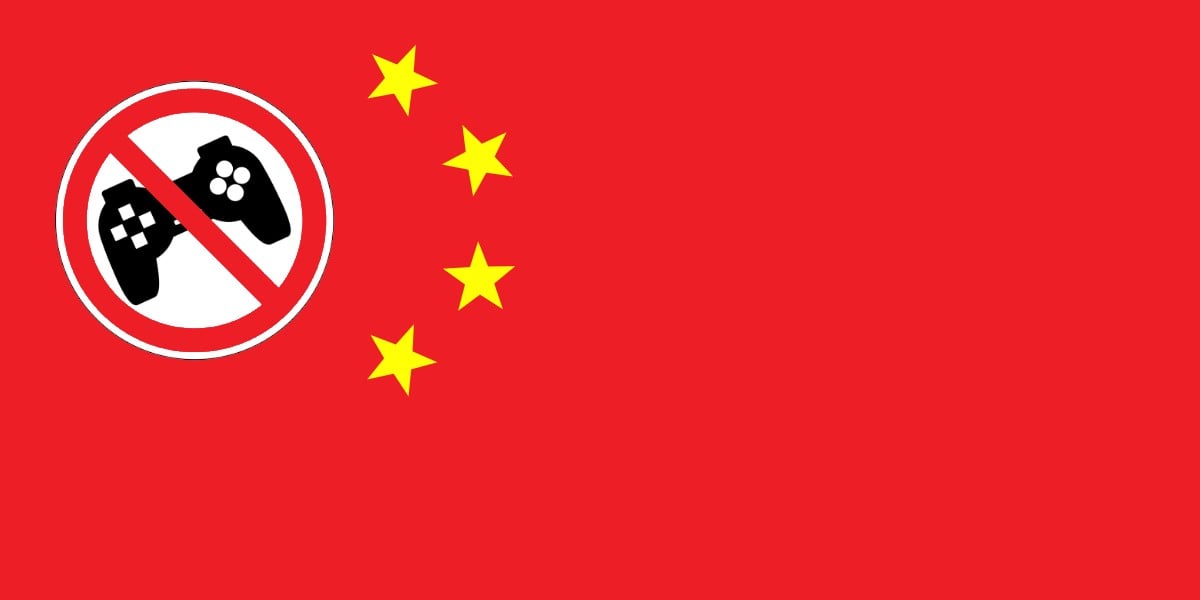
China's National Internet Information Office has revisited some of the government's recent internet crackdowns, to put a stop to workarounds such as renting or selling accounts for online games to minors in order to circumvent the three-hours-per-week play time imposed by Beijing.
China's lawmakers introduced the play time limits in August, restricting gaming to between the hours of 8pm and 9pm on Friday, Saturday and Sunday – with an extra hour allowed as a treat on public holidays.
Beiing's stance is that it’s a necessary precaution to prevent gaming addiction. It believes that gaming does not reflect Chinese values, is unproductive, and anti-social.
The rules quickly sparked a black market for online gaming accounts – a black market Beijing is looking to eliminate.
According to the Central Cyberspace Affairs Commission (CAC), the Internet Information Office has also revisited recent rulings on instant messaging, news information, forums and communities, live webcasts, knowledge Q&As, life services, e-commerce, and online videos.
- China to allow overseas investment in VPNs but Beijing keeps control of the generally discouraged tech
- Chinese tech minister says he's 'dealt with' 73,000 sites that breached the law
- Forget everything you learned playing Lunar Lander: Chinese boffins reveal secrets of Chang'e 5 probe's touchdown
Specifically, they target the "reincarnation" of illegal accounts, meaning those that have been shut down must remain inactive and cannot be reregistered – at least for a determined length of time.
Accounts with fake names designed to resemble those of agencies or organizations, or falsely claiming to be run by members of certain professions, will also be getting attention. Fake fans of celebrities' accounts will also be disallowed, addressing a space noted for aggressive behavior in which online gangs, consisting largely of teenage females, battle to assert their ardor for the celebrity of their choice.
Last of all, clickbait (referred to by the commission as "malicious marketing of Internet user accounts") is getting some scrutiny as Beijing looks to reduce the prevalence and impact of articles that incite netizens' emotions, or spread vulgar or provocative content.
"Accounts that distort and interpret national policies in the name of knowledge dissemination and interfere with public perception" are also on notice. Exactly who gets to decide if an account correctly interprets national policies has not been detailed. Merely asking probably counts as doing the wrong thing. ®
From Chip War To Cloud War: The Next Frontier In Global Tech Competition
The global chip war, characterized by intense competition among nations and corporations for supremacy in semiconductor ... Read more
The High Stakes Of Tech Regulation: Security Risks And Market Dynamics
The influence of tech giants in the global economy continues to grow, raising crucial questions about how to balance sec... Read more
The Tyranny Of Instagram Interiors: Why It's Time To Break Free From Algorithm-Driven Aesthetics
Instagram has become a dominant force in shaping interior design trends, offering a seemingly endless stream of inspirat... Read more
The Data Crunch In AI: Strategies For Sustainability
Exploring solutions to the imminent exhaustion of internet data for AI training.As the artificial intelligence (AI) indu... Read more
Google Abandons Four-Year Effort To Remove Cookies From Chrome Browser
After four years of dedicated effort, Google has decided to abandon its plan to remove third-party cookies from its Chro... Read more
LinkedIn Embraces AI And Gamification To Drive User Engagement And Revenue
In an effort to tackle slowing revenue growth and enhance user engagement, LinkedIn is turning to artificial intelligenc... Read more