

China Sticks Antitrust Probe Into Google Amid Retaliation For Trump Import Tariffs
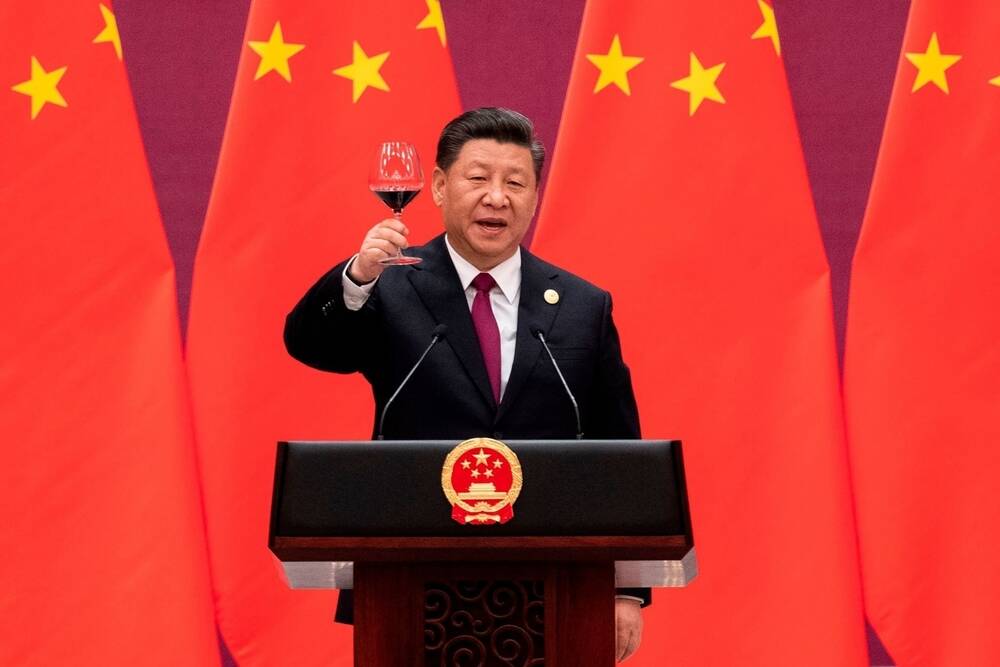
Updated Google is the latest target in the brewing US-China trade war, with Beijing hitting the search giant with an antitrust probe while rolling out fresh tariffs and export controls in response to new US levies on Chinese goods.
The State Administration for Market Regulation launched the investigation into whether Google had violated Chinese antitrust rules, minutes after the Trump administration implemented an extra 10 percent import tax on Chinese goods to the US, the Associated Press reports.
Google is no stranger to antitrust moves. It faced probes by the European Union, United Kingdom, and the US. However, compared to those regions, Google's influence is considerably smaller in China. Google Search, for example, was pulled from the Chinese market back in 2010.
Chinese smartphone and tablet vendors have also begun moving away from the company's Android operating system. Last fall, Huawei ended its reliance on the American OS with the launch of HarmonyOS NEXT, which dropped support for Android apps.
The investigation comes as Beijing brings retaliatory import tariffs and export controls in response to economic pressure from the US. China is among the first nations to bear the brunt of the tariffs brought by President Donald Trump. The US President had also planned to implement a 25 percent tariff on Canadian and Mexican imports, but, at the last minute, postponed that decision for 30 days.
China, however, wasn't so lucky, with its exports to the US now subject to a 10 percent tariff, on top of the existing duties on certain goods. In response, China has announced a 15 percent import tariff on American coal and liquefied natural gas, and a 10 percent tax on oil, agricultural equipment, and large-displacement automobiles from the United States, state media reports.
The Register has reached out to Google for comment; we'll let you know if we hear anything back.
- Not even Nvidia's Jensen Huang can talk President Tariffs out of chip import taxes
- US datacenters in for shock as Canada mulls cutting the juice over Trump tariffs
- As Trump slugs Canada, Mexico and China with tariffs, industry groups hope trade war weapon isn't pointed at their feet
- Trump eyes up to 100% tariffs on foreign semiconductors, TSMC in crosshairs
In a statement, a spokesperson for the Chinese embassy condemned the Trump administration's tariffs and justified its retaliatory measures.
"The unilateral tariff increase by the US seriously violates World Trade Organization rules and is a typical act of unilateralism and trade protectionism. It undermines the foundation of China-US economic and trade cooperation," the statement reads. "China has taken necessary countermeasures in accordance with relevant laws and regulations and basic principles in international law, which are completely justified and reasonable."
Alongside tariffs on American goods, China is also moving to restrict the export of raw materials including tungsten, tellurium, bismuth, molybdenum, and indium. These materials are essential components in a variety of technologies ranging from semiconductors and displays to nuclear and military applications.
This isn't the first time China has restricted exports of raw materials in response to US trade policy. Last year, Beijing limited the export of gallium and germanium, which are commonly used in power electronics and fiber optic systems. ®
Updated to add on February 7
President Trump paused putting import taxes on small-value packages arriving from China, millions of which enter America every day, so that federal officials can figure out how to apply the tariffs at that scale.
From Chip War To Cloud War: The Next Frontier In Global Tech Competition
The global chip war, characterized by intense competition among nations and corporations for supremacy in semiconductor ... Read more
The High Stakes Of Tech Regulation: Security Risks And Market Dynamics
The influence of tech giants in the global economy continues to grow, raising crucial questions about how to balance sec... Read more
The Tyranny Of Instagram Interiors: Why It's Time To Break Free From Algorithm-Driven Aesthetics
Instagram has become a dominant force in shaping interior design trends, offering a seemingly endless stream of inspirat... Read more
The Data Crunch In AI: Strategies For Sustainability
Exploring solutions to the imminent exhaustion of internet data for AI training.As the artificial intelligence (AI) indu... Read more
Google Abandons Four-Year Effort To Remove Cookies From Chrome Browser
After four years of dedicated effort, Google has decided to abandon its plan to remove third-party cookies from its Chro... Read more
LinkedIn Embraces AI And Gamification To Drive User Engagement And Revenue
In an effort to tackle slowing revenue growth and enhance user engagement, LinkedIn is turning to artificial intelligenc... Read more