

China's Semiconductor Self-sufficiency Drive Slid Backwards In 2020
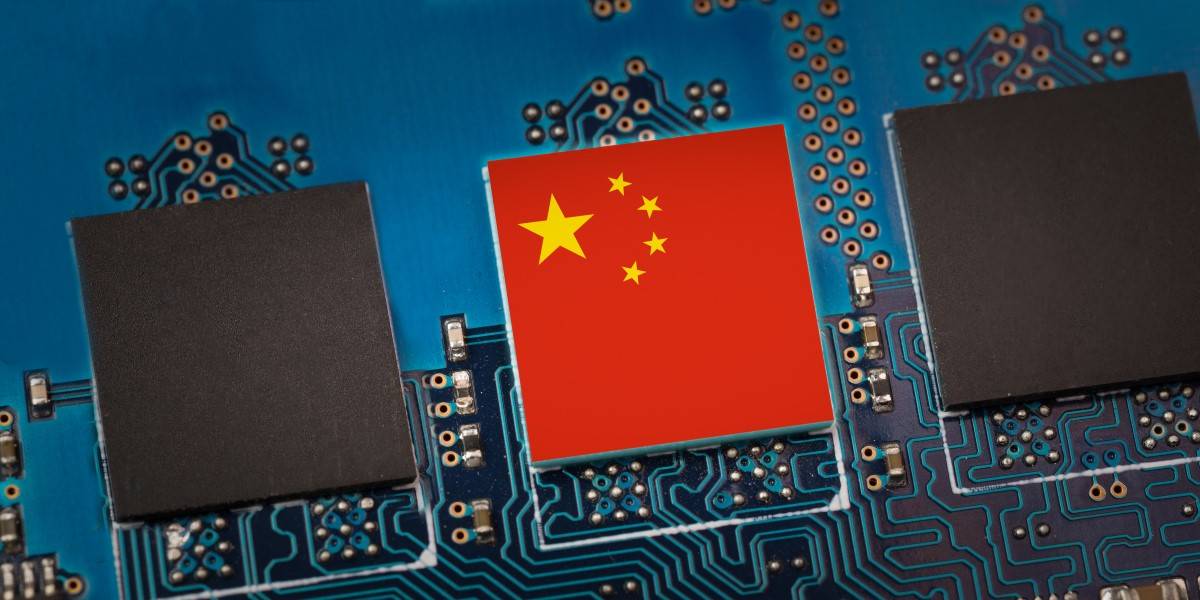
China-owned silicon manufacturers' domestic market share has slipped below six percent, according to analyst firm IC Insights, suggesting the nation's goal of silicon semi-self-sufficiency in just four years time is in strife.
The firm's 2021 edition of The McClean Report — A Complete Analysis and Forecast of the Integrated Circuit Industry said China's chip-makers supply 5.9 percent of the nation's needs, down 0.2 percent since the May 2020 edition of the report.
The slip comes despite China making chip production for domestic consumption and export a priority with policies like the “Made in China 2025” policy that calls for homegrown products accounting for 70 percent of domestic total semiconductor needs by 2025. Tax cuts and other initiatives commenced to accelerate the supply with larger subsidies going to chipmakers manufacturing with smaller process nodes.
One project aimed at helping China to reach its goal, a Chinese-owned 7nm foundry in Wuhan called the Wuhan Hongxin Project, was inhibited by both the COVID-19 pandemic and funding issues. Ninety percent of a promised $20bn never materialised, while problems gaining permits, supplies and even land meant the project has not gone ahead.
The uphill battle comes amid technology bans from the US that have hindered the Middle Kingdom’s efforts.
In August of last year, The US Commerce Department further narrowed Huawei access to American chip-making technology in retaliation for the company not taking America's trade restrictions seriously. The supply chain was further choked by the USA's Clean Networks plan.
Another US tactic to production came in December 2020, when China’s largest chipmaker, Semiconductor Manufacturing International Corporation (SMIC), was added to a Treasury Department entity list that prevents acquisition of some US technologies and requires business exporting to SMIC have a specific license. SMIC told investors in December 2020 that US sanctions were a long-term hassle but claimed they wouldn’t impact operations. ®
From Chip War To Cloud War: The Next Frontier In Global Tech Competition
The global chip war, characterized by intense competition among nations and corporations for supremacy in semiconductor ... Read more
The High Stakes Of Tech Regulation: Security Risks And Market Dynamics
The influence of tech giants in the global economy continues to grow, raising crucial questions about how to balance sec... Read more
The Tyranny Of Instagram Interiors: Why It's Time To Break Free From Algorithm-Driven Aesthetics
Instagram has become a dominant force in shaping interior design trends, offering a seemingly endless stream of inspirat... Read more
The Data Crunch In AI: Strategies For Sustainability
Exploring solutions to the imminent exhaustion of internet data for AI training.As the artificial intelligence (AI) indu... Read more
Google Abandons Four-Year Effort To Remove Cookies From Chrome Browser
After four years of dedicated effort, Google has decided to abandon its plan to remove third-party cookies from its Chro... Read more
LinkedIn Embraces AI And Gamification To Drive User Engagement And Revenue
In an effort to tackle slowing revenue growth and enhance user engagement, LinkedIn is turning to artificial intelligenc... Read more