

China Just Two Years Behind USA On Chip Design, Says White House Tech Czar
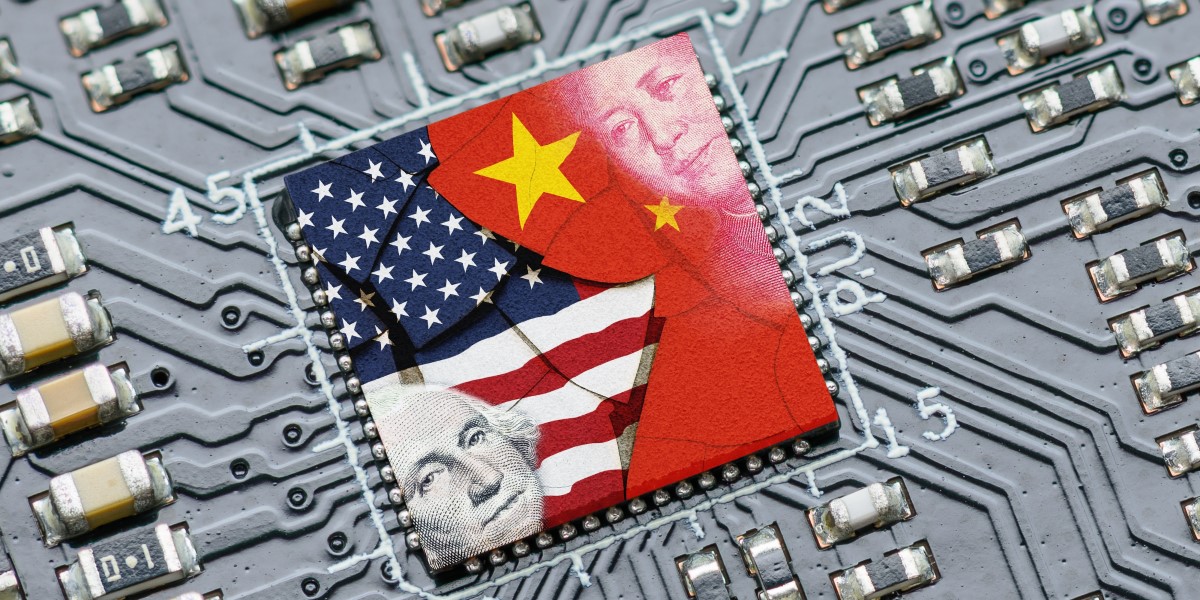
China’s AI and chipmaking prowess lags the USA’s by just two years, and America’s efforts to slow its progress could be hobbling its own semiconductor industry, according to Trump administration tech czar David Sacks.
Sacks is chair of the President's Council of Advisors on Science and Technology and on Thursday gave an interview to Bloomberg Television in which he said China has become “adept” at working around restrictions on its semiconductor industry.
“I think today China is one-and-a-half to two years behind us on chip design, but Huawei is moving fast to catch up,” Sacks said. He said Huawei remains “constrained” in terms of GPU production but believes the Chinese company will start exporting hardware.
“I think we do have to be concerned about Huawei competing on the global market,” he said. “They may not be there yet, but I would expect that to change in the future.”
The prospect of Huawei becoming a significant provider of GPUs and other AI-related hardware worries Sacks, because if that happens US companies would face more competition.
“If we are overly restrictive in terms of US sales to the world there will be a time where we are kind of kicking ourselves and saying: ‘When we had this whole market to ourselves, why didn’t we take advantage of that opportunity and lock in the American tech stack?’”
- Trump trade policy to cost Nvidia $10.5B in lost H20 GPU revenues
- Stargate to land its first offshore datacenters in the United Arab Emirates
- Taiwan thumbs its nose at Beijing by blocking chip exports to SMIC and Huawei
- Chip designers latest casualties in US-China trade war
Sacks said concerns over such a scenario are one reason the US abandoned the Biden-era diffusion rule that capped export sales of American GPUs outside the USA and required some buyers to secure a license for their purchases.
“I think it is a valid policy objective to stop our leading-edge semiconductors going to China, but at the same time we don’t want to restrict them going to our friends and allies,” he said. “To be sure we should name our security requirements, but our friends and allies are eager to comply with those security requirements.”
Sacks said the Trump administration’s goal is to have the American tech stack become the global standard. “We want to have the largest market share we can, we want to be the partner of choice for the world,” he said.
But he said past regulations “would have shot the tech industry in the foot out of concern US chips go to China.”
Huawei founder Ren Zhengfei recently rated his company’s GPUs as one generation behind the best products made by US companies.
However many AI workloads don’t need bleeding-edge kit, so if Huawei can sell well-priced and powerful products around the world – and build the ecosystem that makes them useful – it could challenge the likes of Nvidia and AMD in some markets.
Nvidia CEO Jensen Huang has also criticized US export controls on AI hardware, arguing that denying Chinese researchers access to his company’s hardware means the world can’t benefit from innovations developed by Middle Kingdom computer science boffins. ®
From Chip War To Cloud War: The Next Frontier In Global Tech Competition
The global chip war, characterized by intense competition among nations and corporations for supremacy in semiconductor ... Read more
The High Stakes Of Tech Regulation: Security Risks And Market Dynamics
The influence of tech giants in the global economy continues to grow, raising crucial questions about how to balance sec... Read more
The Tyranny Of Instagram Interiors: Why It's Time To Break Free From Algorithm-Driven Aesthetics
Instagram has become a dominant force in shaping interior design trends, offering a seemingly endless stream of inspirat... Read more
The Data Crunch In AI: Strategies For Sustainability
Exploring solutions to the imminent exhaustion of internet data for AI training.As the artificial intelligence (AI) indu... Read more
Google Abandons Four-Year Effort To Remove Cookies From Chrome Browser
After four years of dedicated effort, Google has decided to abandon its plan to remove third-party cookies from its Chro... Read more
LinkedIn Embraces AI And Gamification To Drive User Engagement And Revenue
In an effort to tackle slowing revenue growth and enhance user engagement, LinkedIn is turning to artificial intelligenc... Read more