

Business Insolvencies Rise As Government Aid Wanes
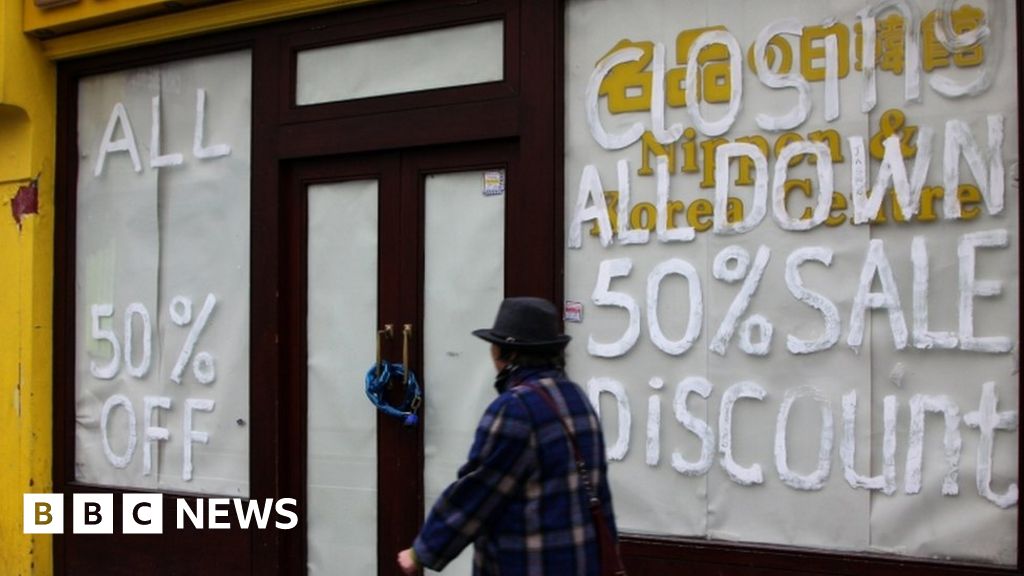
The number of businesses that failed in England and Wales last month was the largest since the Covid pandemic began.
Company insolvencies in September totalled 1,446, increasing from 1,349 in August and 56% higher than the same month last year, data from the Insolvency Service shows.
September saw many firms contend with rising energy and labour costs and the tapering of Covid government support.
Some insolvency experts fear the number will rise further.
Energy companies Utility Point and PfP Energy, musical instrument maker Roli, as well as chilled food delivery firm EVCL Chill all collapsed last month.
More to go bust?
Claire Burden, a partner at professional services firm Tilney Smith & Williamson, said the ongoing energy price rises will "reverberate into additional sectors" and push more companies such as those in manufacturing and consumer goods into financial strife.
"This will cause further failures when combined with existing pressures of increased transport costs and supply issues," Ms Burden added.
The Bank of England earlier this month said one third of small businesses in the UK are classed as "highly indebted", where their debt levels are more than 10 times their cash balances.
Matt Richards, a restructuring and insolvencies partner at accountants Azets, said he expected the upward trend of insolvencies to continue "now that the government has withdrawn most of its corporate support measures".
"The additional pressures facing businesses today with higher inflation, staff shortages, increasing energy prices and the need to repay Covid-incurred debt, is likely to increase the number of insolvencies over the next 12 months."
An HM Treasury spokesperson said the government had backed UK businesses with £400bn of support, including through the Plan for Jobs scheme.
"It's working - two million fewer people are now expected to be out of work than previously feared and the number of redundancies remains near a seven-year low," they said.
"We're also unlocking investment through the £20bn a year super deduction, the biggest two-year business tax cut in modern British history, while £650bn of private and public infrastructure investment will support 425,000 jobs over the next four years."
From Chip War To Cloud War: The Next Frontier In Global Tech Competition
The global chip war, characterized by intense competition among nations and corporations for supremacy in semiconductor ... Read more
The High Stakes Of Tech Regulation: Security Risks And Market Dynamics
The influence of tech giants in the global economy continues to grow, raising crucial questions about how to balance sec... Read more
The Tyranny Of Instagram Interiors: Why It's Time To Break Free From Algorithm-Driven Aesthetics
Instagram has become a dominant force in shaping interior design trends, offering a seemingly endless stream of inspirat... Read more
The Data Crunch In AI: Strategies For Sustainability
Exploring solutions to the imminent exhaustion of internet data for AI training.As the artificial intelligence (AI) indu... Read more
Google Abandons Four-Year Effort To Remove Cookies From Chrome Browser
After four years of dedicated effort, Google has decided to abandon its plan to remove third-party cookies from its Chro... Read more
LinkedIn Embraces AI And Gamification To Drive User Engagement And Revenue
In an effort to tackle slowing revenue growth and enhance user engagement, LinkedIn is turning to artificial intelligenc... Read more