

Bus Fare Cap: England Charges To Be Held At £2 For Three Months
By James Gregory
BBC News
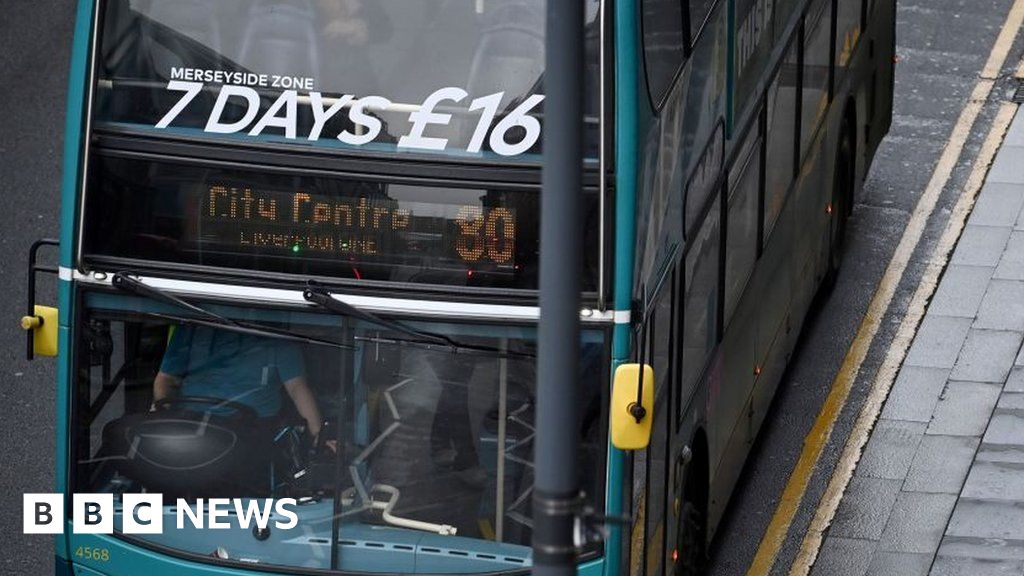
Bus journeys in England will be capped at £2 from January to March next year in a bid to ease the rising cost of living, the government has said.
The £60m plan could see some passengers save more than £3 per single bus ticket, according to the Department for Transport (DfT).
Transport secretary Grant Shapps said the move will provide "direct help" to thousands of households.
But Labour said the plan "fails to match the scale of the crisis".
Meanwhile, from Sunday, single bus fares will be capped at £2 in the Greater Manchester and West Yorkshire regions as part of longer-term schemes.
Local bus fares in England, for the quarter January to March 2022, increased by 3.6% when compared to the same period in 2021..
An average bus fare for a three-mile journey currently stands at around £2.80, meaning the new price cap would save passengers 30% of the price each time they travel, according to the DfT.
Bus operators covering more than 90% of the network in England have signed up for the scheme, the DfT said.
The government's England-wide plan for January to March comes at a time when many households are concerned about mounting energy bills.
Mr Shapps said the bus fare cap will provide "practical concrete help that will lower daily expenditure".
There were 4.22 billion passenger journeys on buses in England in the year to December 2019, compared with about 1.52 passenger journeys by rail in 2018-19.
"Buses are by far and away the most used form of public transport, so ensuring that almost all bus journeys are no more than £2 will assist passengers over the winter months and provide direct help to thousands of households across the country," Mr Shapps said.
"This £60 million boost will mean everyone can affordably get to work, education, the shops and doctors' appointments."
Paul Tuohy, chief executive of Campaign for Better Transport, said the £2 cap his organisation had called for was "welcome news" for millions of people and will "help set buses on the road to a bright future".
Alison Edwards, policy director at the Confederation of Passenger Transport, called it an "eye-catching initiative" and said she was looking "forward to understanding in detail how the proposed fare cap will work in practice to ensure it supports the long-term sustainability of bus networks".
But Labour MP and shadow transport secretary Louise Haigh criticised the scheme, claiming they do not go far enough.
"The government's temporary 90-day reprieve after years of soaring fares fails to match the scale of the crisis.
"Passengers across the country facing a cost-of-living emergency need more than half measures."
From Chip War To Cloud War: The Next Frontier In Global Tech Competition
The global chip war, characterized by intense competition among nations and corporations for supremacy in semiconductor ... Read more
The High Stakes Of Tech Regulation: Security Risks And Market Dynamics
The influence of tech giants in the global economy continues to grow, raising crucial questions about how to balance sec... Read more
The Tyranny Of Instagram Interiors: Why It's Time To Break Free From Algorithm-Driven Aesthetics
Instagram has become a dominant force in shaping interior design trends, offering a seemingly endless stream of inspirat... Read more
The Data Crunch In AI: Strategies For Sustainability
Exploring solutions to the imminent exhaustion of internet data for AI training.As the artificial intelligence (AI) indu... Read more
Google Abandons Four-Year Effort To Remove Cookies From Chrome Browser
After four years of dedicated effort, Google has decided to abandon its plan to remove third-party cookies from its Chro... Read more
LinkedIn Embraces AI And Gamification To Drive User Engagement And Revenue
In an effort to tackle slowing revenue growth and enhance user engagement, LinkedIn is turning to artificial intelligenc... Read more