

BT And Unions Agree Pay Rise Of Up To 16% To Stop More Strikes
Telecoms giant BT has agreed a pay deal with union bosses that will see workers who earn £50,000 or less get a £1,500 pay rise next year.
The agreement, which will be put to union members, could lead to the end of strike action at the company.
BT said 85% of its UK-based staff would benefit from the wage increase.
Combined with a pay rise made in April, the total increase for the lowest paid employees at BT will be more than 15% since this time last year.
The Communication Workers Union (CWU) said the deal would mean wage rises ranging from 6% to 16% for workers of different grades.
Both the CWU and Prospect will ballot their members and recommend backing the deal.
Dave Ward, general secretary of the CWU, said the pay deal "would not have happened" without the walkouts of thousands of BT Group workers in the summer.
"The bravery these workers displayed caught the sympathy of the country, and shocked the company out of its complacency," he added.
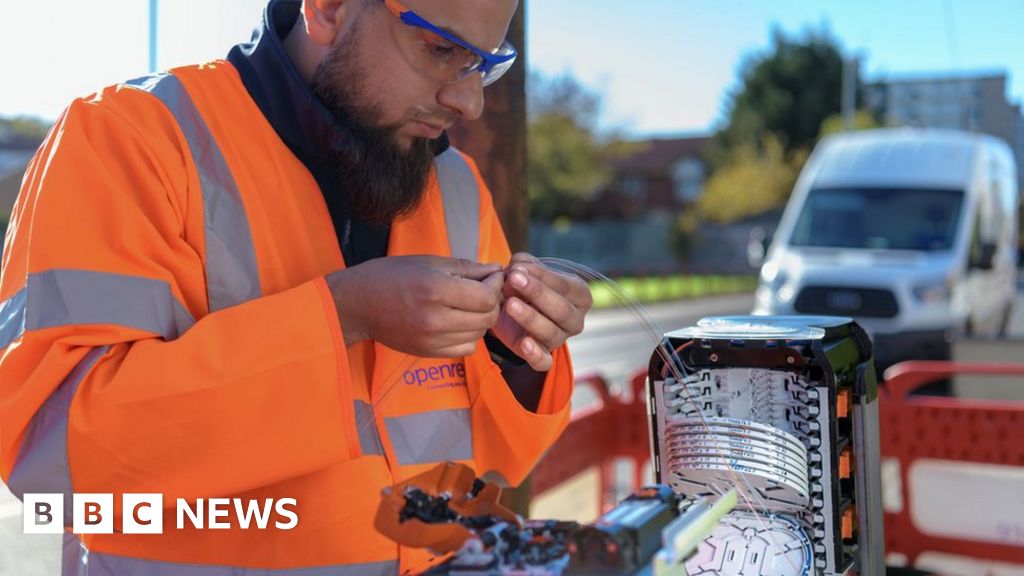
The pay rises cover all frontline staff, and 51% of managers in the UK. It also includes Openreach workers.
In the summer, thousands of workers walked out over pay in what was believed to be the first national telecoms strike since 1987.
The telecoms industry is one of several sectors that has seen workers strike over pay, with rail workers and Royal Mail staff also walking out.
UK inflation, which is the rate prices rise at, is currently 11.1% and most unions have called for wage hikes in line with the rising cost of living.
BT Group chief executive Philip Jansen said the deal favoured lower-paid workers.
"Whatever our differences, our unions are vital partners. We will now build on this collaboration," he said.
Mr Jansen said the company would now work with unions to "lean into the opportunities and challenges the future will bring, specifically our transformation plans and the delivery of the £3bn cost savings" by the end of the 2025 financial year.
From Chip War To Cloud War: The Next Frontier In Global Tech Competition
The global chip war, characterized by intense competition among nations and corporations for supremacy in semiconductor ... Read more
The High Stakes Of Tech Regulation: Security Risks And Market Dynamics
The influence of tech giants in the global economy continues to grow, raising crucial questions about how to balance sec... Read more
The Tyranny Of Instagram Interiors: Why It's Time To Break Free From Algorithm-Driven Aesthetics
Instagram has become a dominant force in shaping interior design trends, offering a seemingly endless stream of inspirat... Read more
The Data Crunch In AI: Strategies For Sustainability
Exploring solutions to the imminent exhaustion of internet data for AI training.As the artificial intelligence (AI) indu... Read more
Google Abandons Four-Year Effort To Remove Cookies From Chrome Browser
After four years of dedicated effort, Google has decided to abandon its plan to remove third-party cookies from its Chro... Read more
LinkedIn Embraces AI And Gamification To Drive User Engagement And Revenue
In an effort to tackle slowing revenue growth and enhance user engagement, LinkedIn is turning to artificial intelligenc... Read more