

Booming UK Economy To Outpace US, Says Haldane
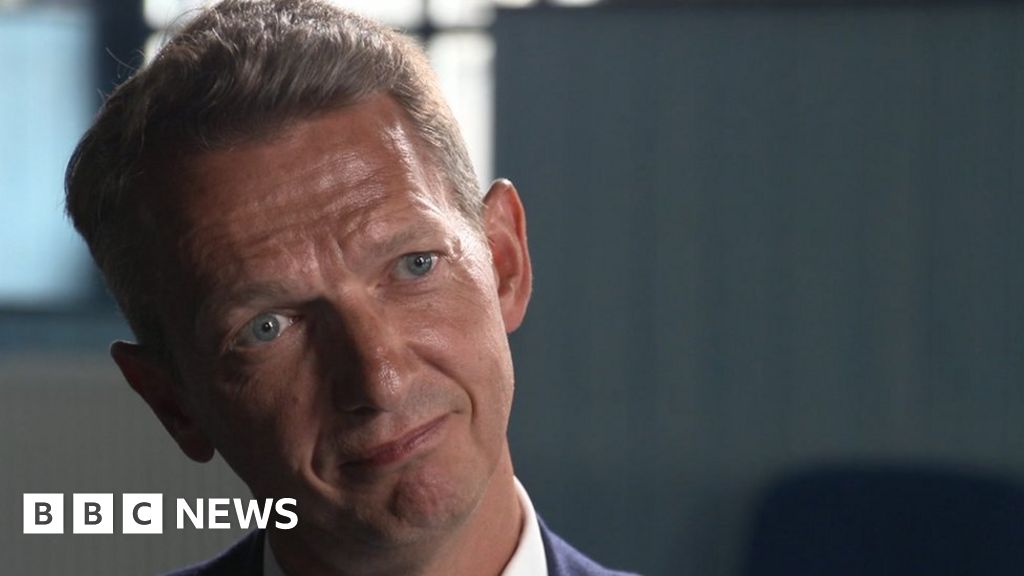
The UK economy is set to grow at its fastest pace since the Second World War, overtaking the US, according to Bank of England economist Andy Haldane.
Low Covid infection rates and vaccinations are leading to a surge in consumer spending, he said.
The unemployment rate is also lower than expected.
However, there is a risk of 1970s-style inflation rates with "boom turning to bust", he added.
Writing in a column for the Daily Mail, Mr Haldane said: "Spring has sprung for the UK economy. This year it is set to grow at its fastest pace since the Second World War.
"It is easy to see why. As Covid infection rates have fallen sharply and the vaccination programme has been rolled out, the health risks facing us have plummeted."
Mr Haldane, who has previously warned against pessimistic views of the economy, said consumers are returning to shops, pubs and restaurants with retail spending above pre-Covid levels.
The housing market is also booming, while hiring and investment among businesses is also picking up, he said.
Mr Haldane predicts as many new jobs will be created this year that are lost with unemployment figures revised down from 7.75% to less than 5.5%.
"A year from now, it is realistic to expect UK growth to be in double-digits, activity to be comfortably above pre-Covid levels and unemployment to be falling," Mr Haldane said.
"Such a tennis ball bounce in the UK economy would put it at the top of the G7 growth league table."
Mr Haldane, who sits on the Bank of England's Monetary Policy Committee, predicted a sharp, V-shaped recovery last year which did not materialise.
Official figures published earlier this week showed the UK economy shrank by 1.5% in the first three months of 2021, but gathered speed in March as lockdown restrictions began to ease.
The reopening of schools and strong retail spending helped the economy grow 2.1% in March, its fastest monthly growth since last August.
Mr Haldane said if health and unemployment risks continue to remain low, spending is likely to continue.
However, he warned a rise in inflation levels could turn boom to bust "derailing the country's recovery".
"The most likely cause of such a bust, history tells us, is an unwanted bout of inflation."
He added: "And experience during the 1970s and 1980s demonstrates that, once out of the bottle, the inflation genie is notoriously difficult to get back in."
Mr Haldane estimates inflation levels by the end of this year could be above its 2% target and has voted for the Bank of England to scale back quantitative easing.
"Doing so now reduces the risk of a handbrake turn - for borrowing costs and the economy - down the road, with all of the disruption this would entail for our jobs and finances," he said.
From Chip War To Cloud War: The Next Frontier In Global Tech Competition
The global chip war, characterized by intense competition among nations and corporations for supremacy in semiconductor ... Read more
The High Stakes Of Tech Regulation: Security Risks And Market Dynamics
The influence of tech giants in the global economy continues to grow, raising crucial questions about how to balance sec... Read more
The Tyranny Of Instagram Interiors: Why It's Time To Break Free From Algorithm-Driven Aesthetics
Instagram has become a dominant force in shaping interior design trends, offering a seemingly endless stream of inspirat... Read more
The Data Crunch In AI: Strategies For Sustainability
Exploring solutions to the imminent exhaustion of internet data for AI training.As the artificial intelligence (AI) indu... Read more
Google Abandons Four-Year Effort To Remove Cookies From Chrome Browser
After four years of dedicated effort, Google has decided to abandon its plan to remove third-party cookies from its Chro... Read more
LinkedIn Embraces AI And Gamification To Drive User Engagement And Revenue
In an effort to tackle slowing revenue growth and enhance user engagement, LinkedIn is turning to artificial intelligenc... Read more