

Bailey: Inflation 'likely To Fall Rapidly' This Year
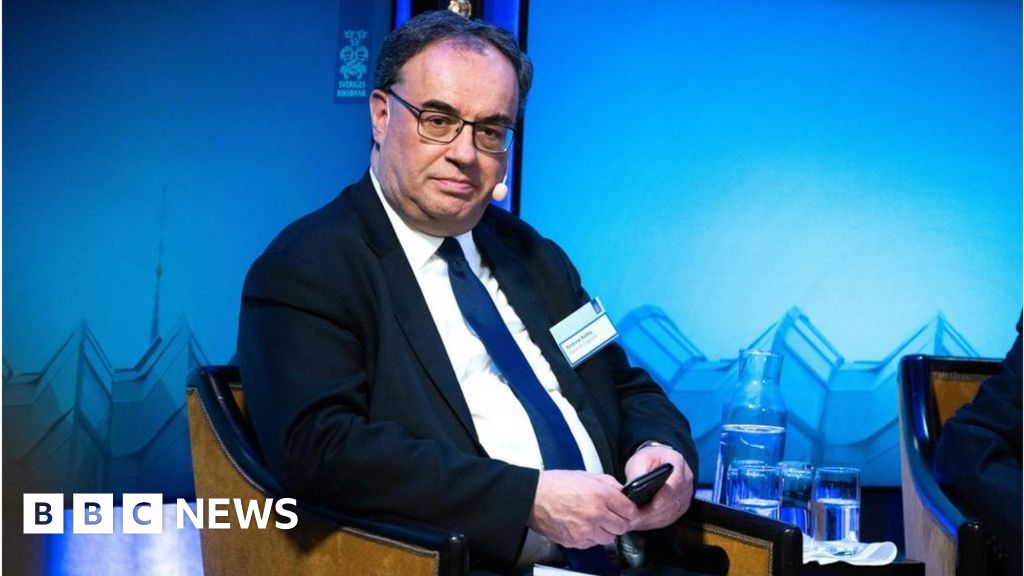
Inflation is likely to fall rapidly this year as energy prices fall, Bank of England Governor Andrew Bailey has said.
Speaking to Media Wales, Mr Bailey said a recent easing of inflation could be a sign that "a corner has been turned".
The Bank was not trying to change market expectations that interest rates will peak at 4.5%, he said.
The pandemic and the cost of living crisis meant a UK recession was still on the cards, he added.
A major component of inflation - how fast prices rise - has been soaring energy costs as economies recover from Covid and Russia's war in Ukraine pushes up oil and gas prices.
But wholesale energy costs have been falling in recent weeks, and energy bills are more than previously forecast.
This has made the Bank more optimistic that inflation could be on an "easier path", Mr Bailey said.
However, lots of vacancies for jobs mean employees are in a stronger bargaining position for wage rises, which could help push prices up, he said.
The pace of price rises in the UK has been slowing slightly, standing at 10.5% in the year to December.
In October prices were rising at a rate of 11.1%. In November inflation was 10.7%.
In November, the Bank forecast that inflation would fall to 5.2% by late 2023, and Mr Bailey stuck to that view. The Bank is due to publish new forecasts next month.
The economy "went off a cliff" during the Covid pandemic, Mr Bailey said, and while it has partly recovered, pay rises have not kept kept up with the pace of price rises, which is still near a 40-year-high, he said.
That means the UK is still likely to fall into a long, shallow recession, he said.
Rate hikes
Meanwhile, markets predict interest rates will peak at 4.5%, and the Bank is not steering them away from that, Mr Bailey said.
Interest rates in part determine how much people pay for mortgages and other borrowing.
Last October markets expected UK interest rates to peak as high as 6% - partly reflecting ongoing turmoil triggered by Liz Truss's brief stint as prime minister.
Financial markets now expect the Bank to raise its main interest rate to 4% from 3.5% on 2 February, although there could be a smaller quarter-point rate rise.
From Chip War To Cloud War: The Next Frontier In Global Tech Competition
The global chip war, characterized by intense competition among nations and corporations for supremacy in semiconductor ... Read more
The High Stakes Of Tech Regulation: Security Risks And Market Dynamics
The influence of tech giants in the global economy continues to grow, raising crucial questions about how to balance sec... Read more
The Tyranny Of Instagram Interiors: Why It's Time To Break Free From Algorithm-Driven Aesthetics
Instagram has become a dominant force in shaping interior design trends, offering a seemingly endless stream of inspirat... Read more
The Data Crunch In AI: Strategies For Sustainability
Exploring solutions to the imminent exhaustion of internet data for AI training.As the artificial intelligence (AI) indu... Read more
Google Abandons Four-Year Effort To Remove Cookies From Chrome Browser
After four years of dedicated effort, Google has decided to abandon its plan to remove third-party cookies from its Chro... Read more
LinkedIn Embraces AI And Gamification To Drive User Engagement And Revenue
In an effort to tackle slowing revenue growth and enhance user engagement, LinkedIn is turning to artificial intelligenc... Read more