

Aunt Jemima To Change Branding Based On 'racial Stereotype'
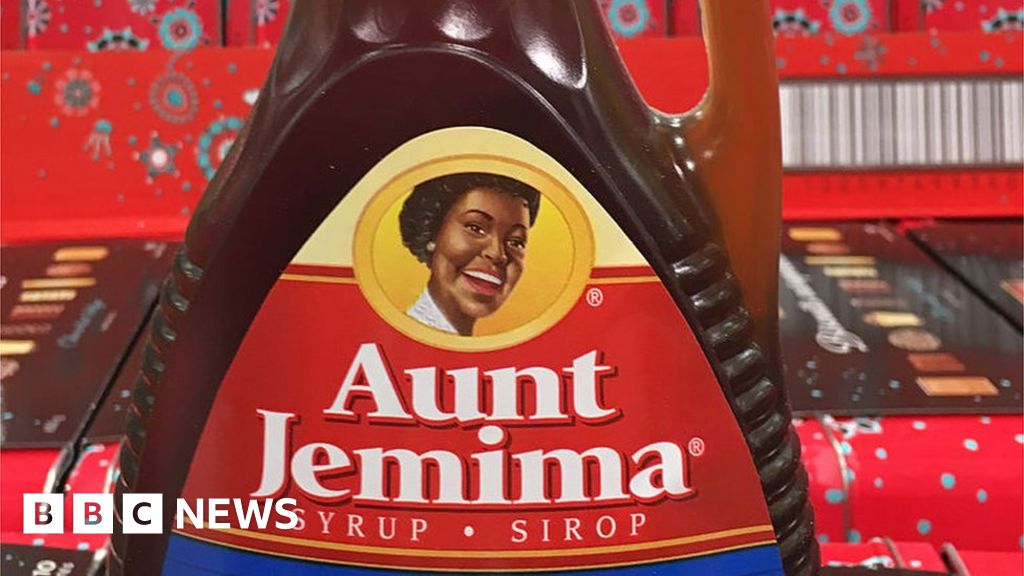
 Image copyright
Getty Images
Image copyright
Getty Images
US company Quaker Oats has announced it will rename its Aunt Jemima line of syrups and foods, acknowledging the brand was based on a racial stereotype.
For over 130 years, the brand's logo has featured a black woman named after a character from minstrel shows in the 1800s that mocked African-Americans.
Quaker said past branding updates to address these issues were "not enough".
Criticism against the brand has renewed amid the national debate over racism sparked by George Floyd's death.
Kristin Kroepfl, Quaker Foods North America's chief marketing officer, said the company is working "to make progress toward racial equality through several initiatives".
"We also must take a hard look at our portfolio of brands and ensure they reflect our values and meet our consumers' expectations," Ms Kroepfl said, adding that Aunt Jemima's origins are "based on a racial stereotype".
"We are starting by removing the image and changing the name."
The company has not offered further details on the coming changes, which were first reported by NBC News.
In addition, Aunt Jemima is to donate at least $5m (£3.9m) over the next five years to support the African American community, according to parent company PepsiCo.
The branding on Aunt Jemima's syrups, mixes and other food products features an image of a black woman that has often been linked to stereotypes around slavery.
In a 2015 opinion piece for the New York Times, Cornell University African-American literature professor Riché Richardson described Aunt Jemima as "an outgrowth of Old South plantation nostalgia and romance".
Prof Richardson said the brand perpetuated the idea of a "mammy" character - a submissive black woman who nurtured her white master's children.
Founded in 1889, the Aunt Jemima logo was based on storyteller, cook and missionary Nancy Green, the company's site says. Ms Green was born into slavery in Kentucky in 1834, according to the African American Registry non-profit database.
Aunt Jemima joins a number of companies making or considering changes in light of the global protests and renewed debate over racism in America, sparked by the recent police killings of George Floyd and other African Americans.
On Wednesday, Mars Inc said it was considering possible changes to the branding of its Uncle Ben's rice, which entered the market in the 1940s.
Uncle, like aunt, was used in southern US states to refer to black people, instead of the more formal "Miss" or "Mister".
In a statement on its website, Mars wrote that "now is the right time to evolve the Uncle Ben's brand, including its visual brand identity, which we will do." But it gave no further details.
From Chip War To Cloud War: The Next Frontier In Global Tech Competition
The global chip war, characterized by intense competition among nations and corporations for supremacy in semiconductor ... Read more
The High Stakes Of Tech Regulation: Security Risks And Market Dynamics
The influence of tech giants in the global economy continues to grow, raising crucial questions about how to balance sec... Read more
The Tyranny Of Instagram Interiors: Why It's Time To Break Free From Algorithm-Driven Aesthetics
Instagram has become a dominant force in shaping interior design trends, offering a seemingly endless stream of inspirat... Read more
The Data Crunch In AI: Strategies For Sustainability
Exploring solutions to the imminent exhaustion of internet data for AI training.As the artificial intelligence (AI) indu... Read more
Google Abandons Four-Year Effort To Remove Cookies From Chrome Browser
After four years of dedicated effort, Google has decided to abandon its plan to remove third-party cookies from its Chro... Read more
LinkedIn Embraces AI And Gamification To Drive User Engagement And Revenue
In an effort to tackle slowing revenue growth and enhance user engagement, LinkedIn is turning to artificial intelligenc... Read more