

ASML CEO: Industrial Conglomerate Buying Washing Machines To Rip Out Semiconductors
A large industrial conglomerate is being forced to take increasingly desperate measures to satisfy their needs for chips, according to ASML, a manufacturer of chip-making equipment.
Talking on an earnings call this week with financial analysts, Peter Wennick, CEO at ASML, said that "width of demand" for chips was "significantly underestimated" by industry and: "I don't think that is going away."
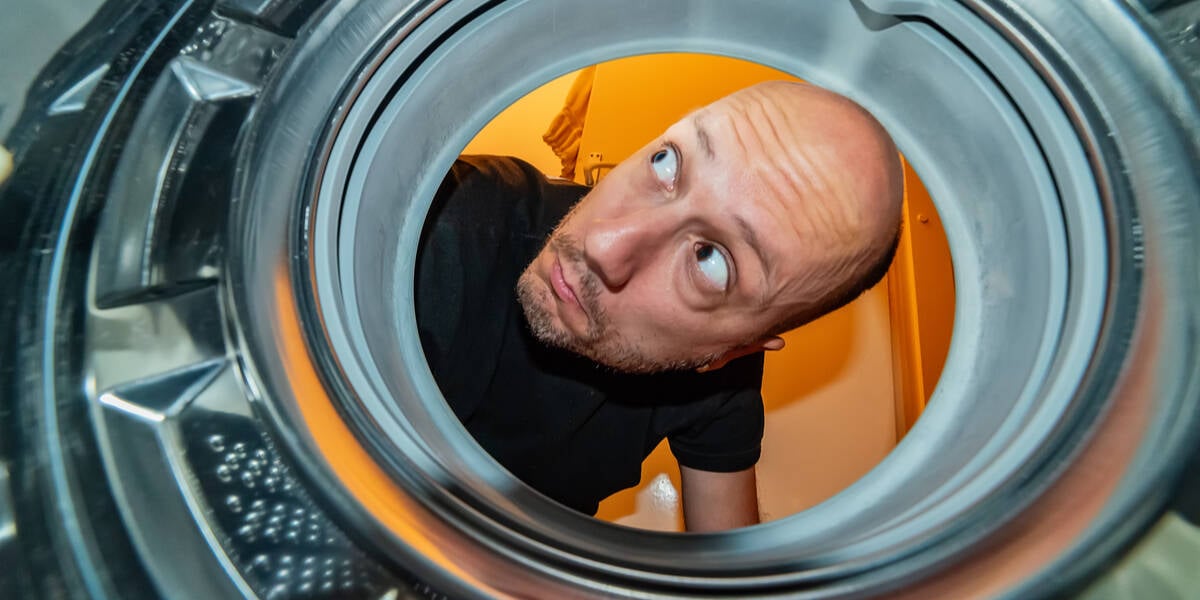
"I met the executive of a very large industrial company, a conglomerate, last week, and actually they told me that they're buying washing machines to rip out the semiconductors to put them in industrial modules. I mean, that's happening these days," he said.
- MIT, Amazon, TSMC, ASML and friends to work on non-planet-killing AI hardware
- World's top chipmaking equipment maker claims Chinese rival may infringe IP
- US-China chip cold war? It's only helping the Middle Kingdom, silicon makers warn
- Supply and demand means TSMC set to beat revenue expectations for Q4 2021
"Now you could say that's an anecdote but to be honest it happens everywhere. It is 15, 20, 25-year-old semiconductor technology that is now being used everywhere… driven by IoT type applications."
ASML, the world's largest supplier of photolithography systems, reported calendar Q1 2022 revenue of €3.13 billion ($3.41 billion), up 36 percent year-on-year, and net profit of €1.331 billion ($1.45 billion), up 91.5 percent.
Semiconductor lead times stretched to an average of 26.6 weeks in March, according to financial analyst Susquehanna, which collates data from distributors. According to Avnet, some 93 per cent of 530 engineers it interviewed across the globe are seeing delays in chip shipments and most expect the price to leap in the next 18 months.
Not one industry is immune to the shortfall in supply, although a particularly high profile casualty in the automotive sector, where the supply chain was less flexible and found it harder to recover supply following order cancellations in the early stages of the pandemic.
Richard Gordon, practice vice president for semiconductors and electronics at Gartner, told The Reg the example cited by ASML seems a "bit extreme" and not representative of the situation.
"More typical over the past couple of years is 'de-spec'ing', particularly in automotive where the auto-makers would de-activate non-essential functions (e.g. rear-seat aircon and things like that) in order to ship vehicles."
Gordon said ASML demand is from immediate customers – semiconductor vendors – and it has "less visibility into end-markets." ASML, he added, was trying to reassure investors on the earnings call as it is totally reliant on the capital expenditure from those chipmakers to grow production.
The long-term outlook for the semiconductor industry looks positive due to new applications including electric vehicles, industrial IoT, 5G, and depending on who you believe, the metaverse too but there will be bumps in the road in the medium term.
Gordon added:
The chip industry expert said it he was already hearing about semiconductor inventories "being released back on to the market and orders for semiconductors being cancelled.
"The bottom line is that the industry is heading in to a down cycle, probably starting in 2H22 but certainly affecting 2023 and 2024 – this means that the industry will move from under-supply to over-supply (capacity investment on the supply side set against weakening end-market demand), which will put downward pressure on semiconductor pricing and result in a slow-down in revenue growth. The next up-cycle will begin in 2025 / 2026."
Given the investments in new chip fabrication plants in the US, including from TSMC and others, as well as Europe muscling in on the action, the situation could get messy. ®
From Chip War To Cloud War: The Next Frontier In Global Tech Competition
The global chip war, characterized by intense competition among nations and corporations for supremacy in semiconductor ... Read more
The High Stakes Of Tech Regulation: Security Risks And Market Dynamics
The influence of tech giants in the global economy continues to grow, raising crucial questions about how to balance sec... Read more
The Tyranny Of Instagram Interiors: Why It's Time To Break Free From Algorithm-Driven Aesthetics
Instagram has become a dominant force in shaping interior design trends, offering a seemingly endless stream of inspirat... Read more
The Data Crunch In AI: Strategies For Sustainability
Exploring solutions to the imminent exhaustion of internet data for AI training.As the artificial intelligence (AI) indu... Read more
Google Abandons Four-Year Effort To Remove Cookies From Chrome Browser
After four years of dedicated effort, Google has decided to abandon its plan to remove third-party cookies from its Chro... Read more
LinkedIn Embraces AI And Gamification To Drive User Engagement And Revenue
In an effort to tackle slowing revenue growth and enhance user engagement, LinkedIn is turning to artificial intelligenc... Read more