

America Bucks Global Smartphone Decline With Help From Apple
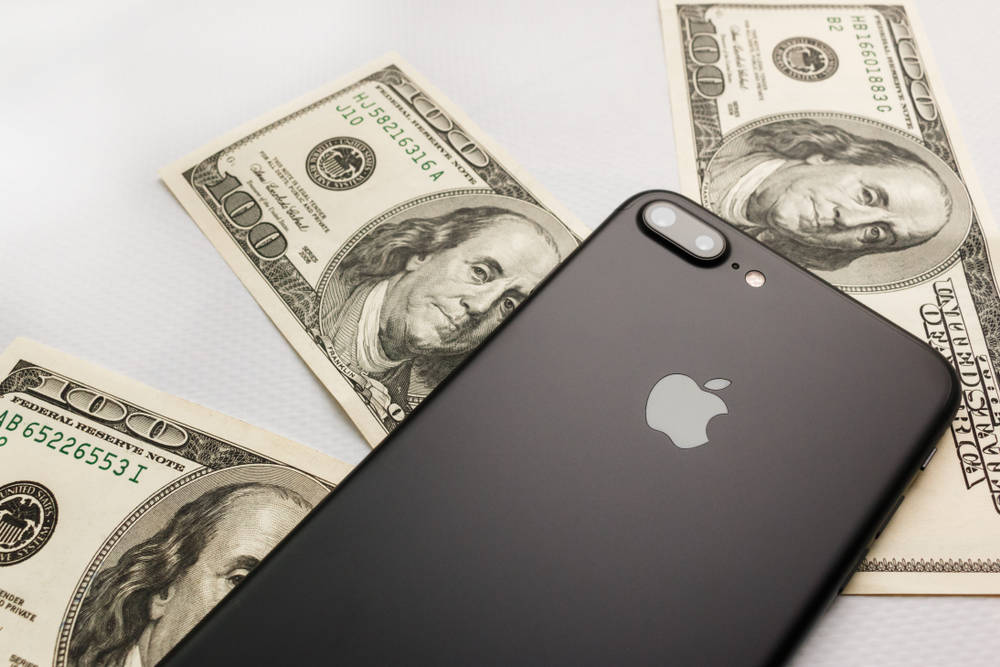
Smartphone markets the world over are in decline, but that news doesn't appear to have reached North America, where the market grew by 4 percent in the first quarter of 2022.
Tech market analytics firm Canalys reported that smartphone manufacturers shipped a total of 39m units in North America in Q1 2022, and most of it was driven by Apple, which saw 19 percent growth in Q1 to reach 51 percent of the smartphone market in the US, Canada and Mexico.
Apple may lead the quarter in terms of shipments and market share, but Google was the growth leader: It added 380 percent to its North American market share from Q1 2021 to Q1 2022. Still, that only brought it to 3 percent of the market, putting it in fifth place.
Canalys analyst Runar Bjørhovde says that Google will be on the offensive in the near future, "building on its wide carrier presence and unprecedented investment in the Pixel brand."
Ahead of Google, but behind Apple, is Samsung, with 27 percent of the market but only a single percentage point of year-over-year growth. Lenovo sits in third place with 10 percent of the North American market thanks to its ownership of Motorola, and added 56 percent to its YoY market share according to Canalys' report.
TCL, the only company named on the list to have lost market share (21 percent), sat barely above Google with 4 percent of the market. TCL is licensed to manufacture devices under the Blackberry and Palm names, as well as selling its own devices.
The North American anomaly
While 4 percent isn't a lot of growth, but it's far more than the global smartphone market as a whole, which shrunk by 11 percent in the first quarter of 2022, Canalys said. Looking to each region, Greater China unsurprisingly saw the largest reduction in shipments, which Canalys analyst Toby Zhu attributes to half of the world's smartphone market decline.
- Demand for PC and smartphone chips drops 'like a rock' says CEO of China's top chipmaker
- Smartphone shipments expected to drop again for Q1 2022
- Semiconductor firms: China lockdowns play havoc with supply and demand
- Xiaomi adds earthquake alert system to some smartphones
Zhu cited the pandemic, lockdowns, and supply chain issues as causes for China's decline, but didn't mention US sanctions as a contributing factor. Sanctions were blamed for China's smartphone market decline as recently as January of this year.
According to Canalys' data, only Apple had positive annual growth in the global smartphone market in the first quarter of 2022, while Xiaomi, OPPO, vivo and others all showed double-digit declines.
Inflation for thee
Canalys' Brain Lynch said that record-high inflation will continue to put pressure on North American carriers, but he said that device prices aren't likely to be raised - just service fees. "Heavy discounting and high trade-in values are being used to lure in and retain customers for the region's biggest telcos, easing pressure on the high-end smartphone market," Lynch opined.
Supply chain disruptions, which continue to plague the world, will be just as much of a bottleneck for smartphone manufacturers in the coming months as it has been, Lynch said, but he doesn't expect the continent to see much disruption in shipments - that's where the money is, and he cited Apple as a prime example.
"With global demand more uncertain, Apple has shifted more devices back into North America after prioritizing other regions in Q4 2021, allowing it to greater fulfill demand and deliver on backorders from the previous quarter," Lynch said.
While that strategy necessarily disadvantages the rest of the world for the higher-spending North American market, it seems to have at least been a sensible one: Apple is the only company to have grown its smartphone business in Q1, after all. ®
From Chip War To Cloud War: The Next Frontier In Global Tech Competition
The global chip war, characterized by intense competition among nations and corporations for supremacy in semiconductor ... Read more
The High Stakes Of Tech Regulation: Security Risks And Market Dynamics
The influence of tech giants in the global economy continues to grow, raising crucial questions about how to balance sec... Read more
The Tyranny Of Instagram Interiors: Why It's Time To Break Free From Algorithm-Driven Aesthetics
Instagram has become a dominant force in shaping interior design trends, offering a seemingly endless stream of inspirat... Read more
The Data Crunch In AI: Strategies For Sustainability
Exploring solutions to the imminent exhaustion of internet data for AI training.As the artificial intelligence (AI) indu... Read more
Google Abandons Four-Year Effort To Remove Cookies From Chrome Browser
After four years of dedicated effort, Google has decided to abandon its plan to remove third-party cookies from its Chro... Read more
LinkedIn Embraces AI And Gamification To Drive User Engagement And Revenue
In an effort to tackle slowing revenue growth and enhance user engagement, LinkedIn is turning to artificial intelligenc... Read more