

Almost Two-thirds Of SMIC's Shanghai Employees Are Living At Work
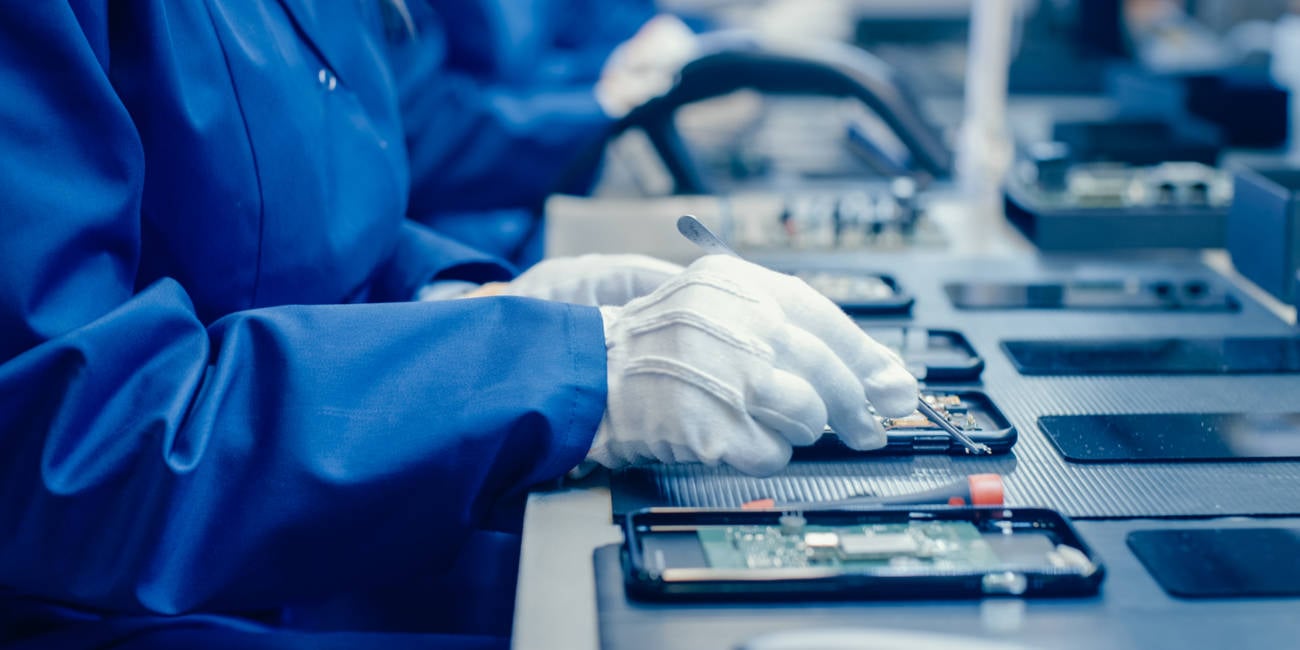
Over 60 percent of Semiconductor Manufacturing International Corporation's (SMIC) Shanghai staff are living around the factory campus, in accordance with the ongoing city-wide COVID lockdown, the Chinese semiconductor foundry confirmed this week.
The workers in the eastern Pudong district's Zhangjiang complex, an area known as the epicenter of Shanghai's chip industry, are operating in a "closed loop" system, meaning they have no contact with the outside world as they live and eat at (or at least very near) their place of employment.
The company said it had resumed full production after a brief period of being partially affected by lockdowns in mid-April.
According to reports decribing the "closed-loop management of the Zhangjiang plant and two living parks", the chipmaker implemented the system on March 18, and more workers re-entered the closed loop after being given the green light from the government.
The Shanghai administration issued a list of 666 enterprises to resume production if they managed COVID prevention strategies correctly. As of last week, 70 percent of those on the "white list" had resumed some operations, including Science Applications International Corporation (SAIC) and Tesla. A third of the companies on the list were auto manufacturers and suppliers.
The 25-million-plus residents of Shanghai have been under strict lockdown since the week of March 28th.
Residents, including those who work in logistics and manufacturing such as delivery drivers and factory workers, are confined to their homes, with many reporting difficulty getting food, medicine, and other essentials. The government has delivered vegetable boxes to registered residents, though many have said the supplies are not enough and they are still hungry.
The tech-savvy among the populace have turned to e-commerce to secure supplies and negotiate contactless trades among neighbours.
- Locked-in and hungry, Shanghai residents can't complain online
- Vietnamese province that hosts Big Tech's factories now fashionably COVID-free
- China tech market growth to slow in 2022, says Forrester
- Vietnam thanks Samsung for all its help, asks for more to go beyond mere manufacturing
Presumably, those working in SMIC's closed-loop system are not expected to source their own food, although details over SMIC's dining arrangements were not released and SMIC had not responded to requests for comment by the time of publication.
But the closed-loop system is not a new concept. Factories in Vietnam had on-site arrangements last year as vaccine rates hovered around four percent and outbreaks of COVID's Delta strain hit the SouthEast Asian country.
The closed-loop factory systems in Vietnam lasted around a month.
Meanwhile, Shanghai's lockdown and subsequent closed-loop factories have no predicted end in sight.
Beyond bulk neighborhood buys and closed-loop factories, trucks have had difficulty getting in and out of Shanghai, thereby complicating all logistics and greatly exacerbating an already choked supply chain. Factories are hindered from making components or systems, as well as receiving and delivering parts to business partners which thereby complicates shipping finished products.
According to market intelligence firm TrendForce, electronics makers are predicted to have difficulty securing processors, battery modules, panel materials and certain multi-layer ceramic capacitors (MLCCs) going into things like servers and vehicles.
Meanwhile, the clock is ticking on China's US sanction-inspired 2035 self-sufficiency goals. It was already doubtful that the Middle Kingdom would meet its goal of making 70 percent of its own semiconductors domestically by 2025.
SMIC is an important part of achieving those chip goals as it was the fastest growing wafer foundry last year. The semiconductor manufacturer made $5.4 billion in revenue in 2021, an increase of 39 percent year-on-year. ®
From Chip War To Cloud War: The Next Frontier In Global Tech Competition
The global chip war, characterized by intense competition among nations and corporations for supremacy in semiconductor ... Read more
The High Stakes Of Tech Regulation: Security Risks And Market Dynamics
The influence of tech giants in the global economy continues to grow, raising crucial questions about how to balance sec... Read more
The Tyranny Of Instagram Interiors: Why It's Time To Break Free From Algorithm-Driven Aesthetics
Instagram has become a dominant force in shaping interior design trends, offering a seemingly endless stream of inspirat... Read more
The Data Crunch In AI: Strategies For Sustainability
Exploring solutions to the imminent exhaustion of internet data for AI training.As the artificial intelligence (AI) indu... Read more
Google Abandons Four-Year Effort To Remove Cookies From Chrome Browser
After four years of dedicated effort, Google has decided to abandon its plan to remove third-party cookies from its Chro... Read more
LinkedIn Embraces AI And Gamification To Drive User Engagement And Revenue
In an effort to tackle slowing revenue growth and enhance user engagement, LinkedIn is turning to artificial intelligenc... Read more