

10x Prices, Year-long Delays... Life As An Electronics Engineer In Global Chip Shortage
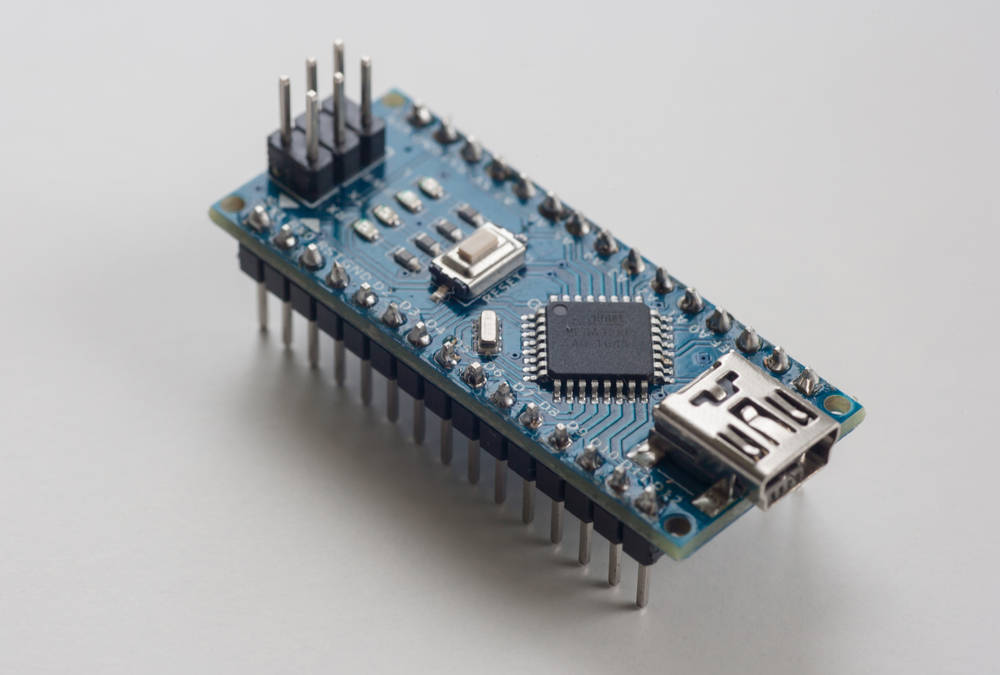
The global semiconductor shortage has engineers scrambling to acquire replacement parts, cancelling projects, or redesigning hardware from scratch, distributor Avnet revealed this month.
Following interviews with 530 engineers spanning the planet, Avnet said 93 percent of respondents are seeing delays in chip shipments, with longer lead times. A majority also expect chip prices to go up in the next 18 months.
Among the most problematic parts are microcontrollers (MCUs), with delays stretching 50 weeks. MCU demand also outstripped supply, which led to drastic price increases. Respondents said that MCU prices were "more than 10 and even 20 times that of pre-pandemic pricing," according to the survey.
MCUs from companies like STMicroelectronics and Texas Instruments have been in heavy demand. A popular STMicro MCU, the STM32F437VIT6, is on backorder at Digi-Key, and has a 65-week lead time on Mouser, while distributor Newark hopes to restock on the microcontroller in April next year.
During an earnings call in January, STMicro CEO Jean-Marc Chery noted that price increases on its chips helped generate more revenue, but that the production cost for those chips had also gone up. Chip makers have noted that a shortage of raw materials has increased the cost of manufacturing.
- Intel boss presses Congress for manufacturing subsidies
- Chip shortage to end this year – at least for us: Xiaomi
- Japan's earthquake disrupts already fragile tech sector
- Rising wafer prices lift chip foundry revenues
A US Department of Commerce survey in January also identified the shortage of MCUs as hitting critical industries by disrupting the development of medical devices, broadband equipment, and automobiles. The shortage was mostly on microcontrollers made on legacy nodes of 40nm to 250nm.
The chip shortage has also shut down car production lines – some auto makers releasing cars without premium features due to the lack of chips. For example, GM has removed features like auto start-stop because it can't get the chips it needs.
The Avnet survey said that 55 percent of engineers were redesigning boards or hardware due to the chip shortage and price hikes. Engineers also had to delay the development of boards, or incorporate a new design that used alternative components that were widely available.
Among those surveyed, 53 percent were considering widely available parts, and 35 percent were considering parts with less functionality and lower specs.
"The use of substitute parts is also having an impact on the final product, with 81 percent of respondents reporting the need to modify the performance and functionality of the final product," the survey said.
The US and Europe have also sounded the alarm on counterfeit chips, which were also mentioned as a concern in the Avnet report. About a third of respondents said counterfeit components would become a bigger problem, and 42 percent of respondents were testing and qualifying chips using X-ray detection or via third parties. ®
From Chip War To Cloud War: The Next Frontier In Global Tech Competition
The global chip war, characterized by intense competition among nations and corporations for supremacy in semiconductor ... Read more
The High Stakes Of Tech Regulation: Security Risks And Market Dynamics
The influence of tech giants in the global economy continues to grow, raising crucial questions about how to balance sec... Read more
The Tyranny Of Instagram Interiors: Why It's Time To Break Free From Algorithm-Driven Aesthetics
Instagram has become a dominant force in shaping interior design trends, offering a seemingly endless stream of inspirat... Read more
The Data Crunch In AI: Strategies For Sustainability
Exploring solutions to the imminent exhaustion of internet data for AI training.As the artificial intelligence (AI) indu... Read more
Google Abandons Four-Year Effort To Remove Cookies From Chrome Browser
After four years of dedicated effort, Google has decided to abandon its plan to remove third-party cookies from its Chro... Read more
LinkedIn Embraces AI And Gamification To Drive User Engagement And Revenue
In an effort to tackle slowing revenue growth and enhance user engagement, LinkedIn is turning to artificial intelligenc... Read more