

Yen Weakens To Historic Low, Traders Anticipate Further Intervention
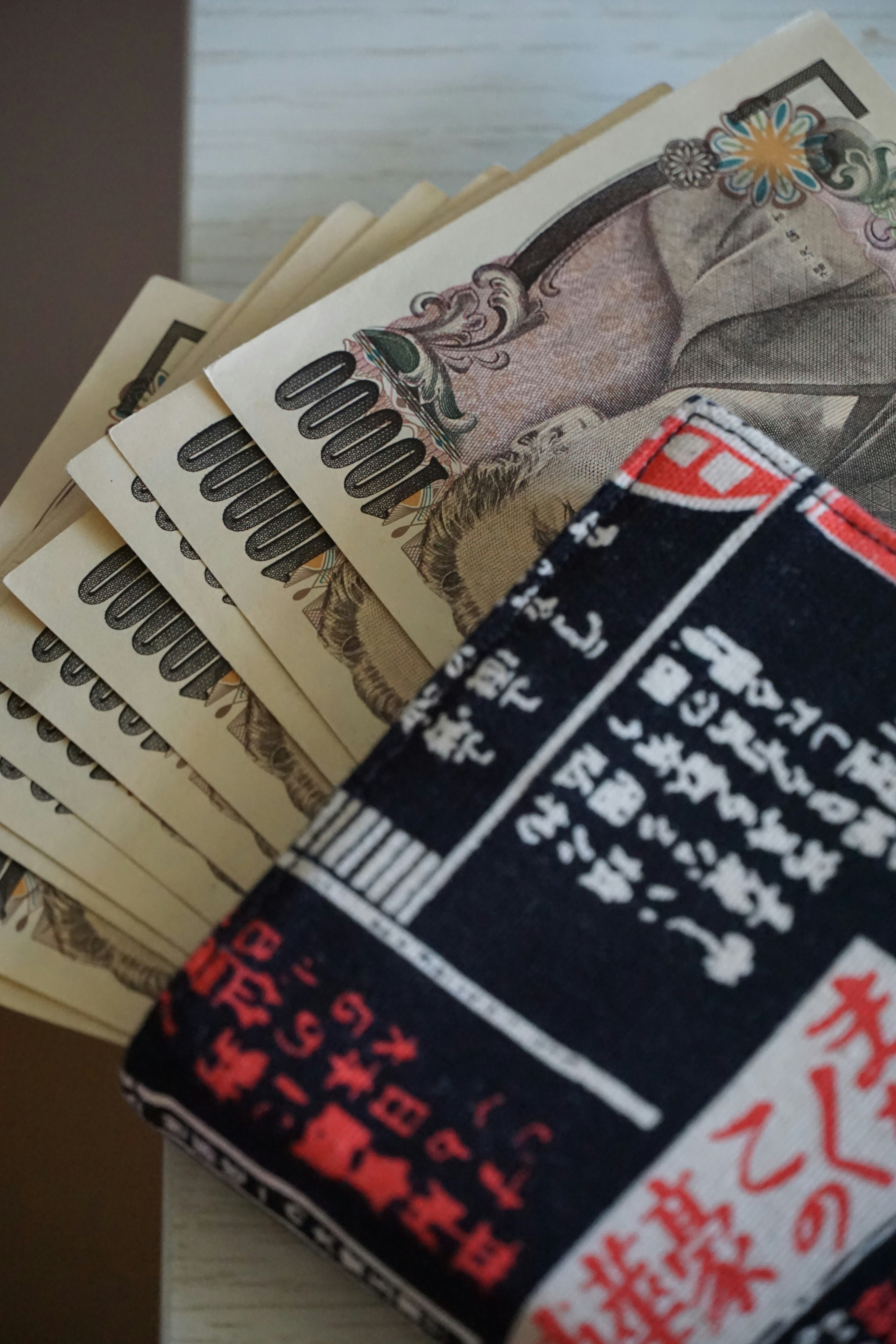
The Japanese yen has plummeted to its lowest level since 1986, raising concerns about the country’s economic stability and prompting traders to brace for further currency interventions. The yen’s dramatic fall has been driven by a combination of domestic economic policies and global market conditions, creating a challenging environment for Japan’s financial authorities.
Background on the Yen's Decline
The yen’s value has fluctuated significantly over the decades, but its recent decline has brought it to historic lows. Several factors have contributed to this downturn, with Japan’s persistently low interest rates playing a central role. Compared to other major economies, Japan’s monetary policy has remained loose, making the yen less attractive to investors seeking higher returns. Additionally, global economic conditions, including rising interest rates in other countries, have further pressured the yen.
April's $62 Billion Intervention
In an effort to stabilize the currency, Japan’s Ministry of Finance and the Bank of Japan executed a $62 billion intervention in April. This massive effort aimed to bolster the yen and curb its decline. However, the impact of this intervention proved short-lived. The yen initially strengthened following the intervention but soon resumed its downward trajectory, highlighting the challenges of sustaining currency stabilization in the current economic climate.
Current Market Conditions
The yen’s continued depreciation can be attributed to several ongoing economic and market conditions. Japan’s low interest rates stand in stark contrast to the tightening monetary policies of other major economies, such as the United States and the European Union. This disparity has led investors to seek better returns in other currencies, further weakening the yen. Additionally, global market volatility and economic uncertainties have compounded the pressures on Japan’s currency.
Potential for Further Intervention
Given the yen’s persistent weakness, market analysts and traders are speculating about the possibility of further interventions by Japanese authorities. Potential strategies could include additional currency market interventions or adjustments to domestic monetary policies. Statements from government and central bank officials have hinted at the readiness to act if necessary, but specific measures have not yet been outlined.
Economic Implications for Japan
The prolonged weakness of the yen poses significant challenges for Japan’s economy. A weaker yen increases the cost of imports, which can lead to higher prices for goods and services within the country, thereby fueling inflationary pressures. This situation is particularly concerning for Japan, an import-dependent nation. Additionally, a weak yen can affect the trade balance and economic growth, as it impacts the competitiveness of Japanese exports and the overall economic outlook.
Conclusion
The Japanese yen’s historic low has raised alarms within financial markets, prompting speculation about potential further currency interventions. The current economic conditions and the limited impact of previous efforts underscore the complexities of stabilizing the yen. As traders and analysts watch closely, the future of Japan’s currency and economic policy remains uncertain. Addressing these challenges will require a balanced approach to support economic stability while navigating the pressures of the global market.
Author: Ricardo Goulart
Gyrostat September Retirement Portfolio Resilience Assessment
September Retirement Portfolio Resilience Assessment Markets have fallen. The price of risk has risen. ... Read more
Does The West Have A Problem With Government Bonds
If you have been following the financial pages over the past few weeks, one theme has begun to stand out from the usual ... Read more
August Retirement Portfolio Resilience Assessment
Markets Are Higher. The Price of Risk Is Lower. Retirement invest... Read more
When The Wave Turns
Why Retirement Investing Is Moving Towards Resilience Jeremy Grantham’s latest market warnings have revived an old tru... Read more
Gyrostat Capital Management: July Retirement Portfolio Resilience Assessment
The Market Is Currently Presenting an Opportunity to Strengthen Retirement Portfolio Resilienc... Read more
The Invisible Risk That Decides Your Retirement
Why how investors behave matters more than what markets do and what disciplined port... Read more