

Will The Fed Blink? Markets Enter High-Stakes Week Of Global Rate Decisions
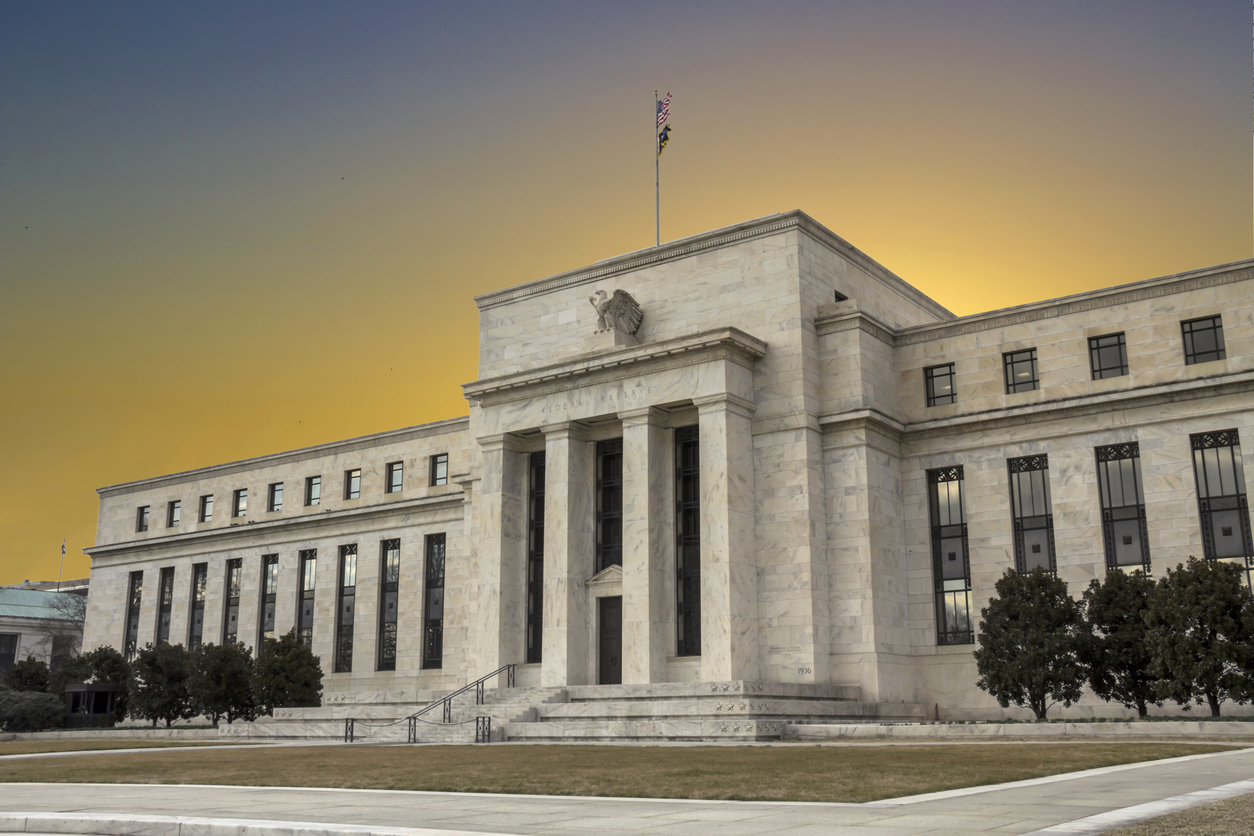
Will the Fed Blink? Markets Enter High-Stakes Week of Global Rate Decisions
Markets are entering a week where almost every major central bank is expected to stand still. Yet it could still become one of the most volatile policy weeks of the year. Decisions from the Federal Reserve, Bank of Japan, Reserve Bank of Australia, Bank of England and Swiss National Bank arrive against a backdrop of stubborn inflation despite fading geopolitical tensions. The question is not whether peace in the Middle East will bring oil prices lower. The question is whether central banks believe inflation has already become too entrenched to ignore.
Fed Interest Rate Decision (Wednesday, June 17): The Federal Reserve sits at the center of that debate. Policymakers are widely expected to leave rates unchanged at 3.50%-3.75%, but the accompanying projections may carry far greater market consequences than the decision itself. Back in March, the median dot still pointed to one rate cut in 2026. Since then, inflation has accelerated to 4.2%, producer prices have surged, and the labor market has remained resilient. A shift toward no cuts at all would merely acknowledge what markets already suspect.
The real risk lies elsewhere. Investors will scrutinize the distribution of the dots for evidence that some policymakers are beginning to contemplate higher rates. A handful of hike projections would signal growing discomfort with inflation but could be dismissed as the committee’s traditional hawks. However, if four or more officials move into tightening territory, markets may conclude that the Fed is preparing for to respond to a hawkish scenario in which inflation proves significantly more persistent than expected.
That possibility places enormous attention on Kevin Warsh’s first press conference as Fed Chair. Investors are still trying to understand how he intends to lead the institution. His appointment was widely associated with a more growth-friendly approach, but his policy background has long emphasized credibility and monetary discipline. If Warsh frames inflation as a temporary consequence of the energy shock, markets may take comfort. If he signals concern about inflation becoming embedded, the conversation could quickly shift from how many cuts remain to whether the next Fed move might eventually be a hike.
BoJ Interest Rate Decision (Tuesday, June 16): Yhe Bank of Japan is expected to deliver a 25 basis point increase to 1.00%. Yet the absence of Governor Kazuo Ueda means guidance may be limited, leaving July’s updated forecasts as the more important event for assessing how far normalization can proceed. For USD/JPY traders, the Fed’s message may ultimately matter more than the BoJ’s decision itself.
RBA Rate Decision (Tuesday, June 16): The Reserve Bank of Australia is expected to pause after its aggressive tightening campaign this year, but policymakers are unlikely to declare victory over inflation. Markets will closely monitor Governor Michele Bullock’s tone for clues on whether another rate increase remains under consideration, as soon as in August.
BoE Rate Decision (Thursday, June 18): Attention at the Bank of England will center on voting dynamics rather than the rate decision itself. A hold at 3.75% is widely expected, but Wednesday’s CPI release could significantly influence Thursday’s messaging. An 8-1 vote would keep tightening risks alive while signaling patience. A shift toward a 7-2 or 6-3 split would be interpreted as a stronger indication that another hike is moving closer.
SNB Interest Rate Decision (Thursday, June 18): The Swiss National Bank faces the least complicated backdrop of the major central banks. With inflation running at only 0.6%, there is little urgency to tighten policy. Investors broadly expect rates to stay unchanged not only this week but potentially through the remainder of the year.
In many ways, this week’s meetings represent the first major policy test of the post-Iran-crisis environment. Oil prices have retreated sharply, easing fears of an immediate energy shock. But inflation indicators have yet to follow. Whether central bankers focus on falling oil prices or stubborn inflation pressures will determine the next major move across foreign exchange, bond and equity markets.
The market can absorb a Fed that delays cuts. What it has not fully prepared for is a Fed that starts discussing hikes again. That is why Wednesday’s decision may become the defining event of the week.
| Jun | Expectations | Key Focus | |
|---|---|---|---|
| BoJ | 16 | Hike 25bps to 1.00% | Lack of guidance amid absence of Kazuo Ueda |
| RBA | 16 | Hold at 4.35% | Whether hawkish bias is maintained after three consecutive hikes |
| Fed | 17 | Hold at 3.50%-3.75% | Dot plot, economic projections, first press conference by Kevin Warsh |
| BoE | 18 | Hold at 3.75% | MPC vote split and reaction to prior-day CPI release |
| SNB | 18 | Hold at 0.00% | Inflation outlook after CPI undershoot |
Gyrostat September Retirement Portfolio Resilience Assessment
September Retirement Portfolio Resilience Assessment Markets have fallen. The price of risk has risen. ... Read more
Does The West Have A Problem With Government Bonds
If you have been following the financial pages over the past few weeks, one theme has begun to stand out from the usual ... Read more
August Retirement Portfolio Resilience Assessment
Markets Are Higher. The Price of Risk Is Lower. Retirement invest... Read more
When The Wave Turns
Why Retirement Investing Is Moving Towards Resilience Jeremy Grantham’s latest market warnings have revived an old tru... Read more
Gyrostat Capital Management: July Retirement Portfolio Resilience Assessment
The Market Is Currently Presenting an Opportunity to Strengthen Retirement Portfolio Resilienc... Read more
The Invisible Risk That Decides Your Retirement
Why how investors behave matters more than what markets do and what disciplined port... Read more