

Wall Streets Volatility Returns: Traders Brace For Renewed Market Swings
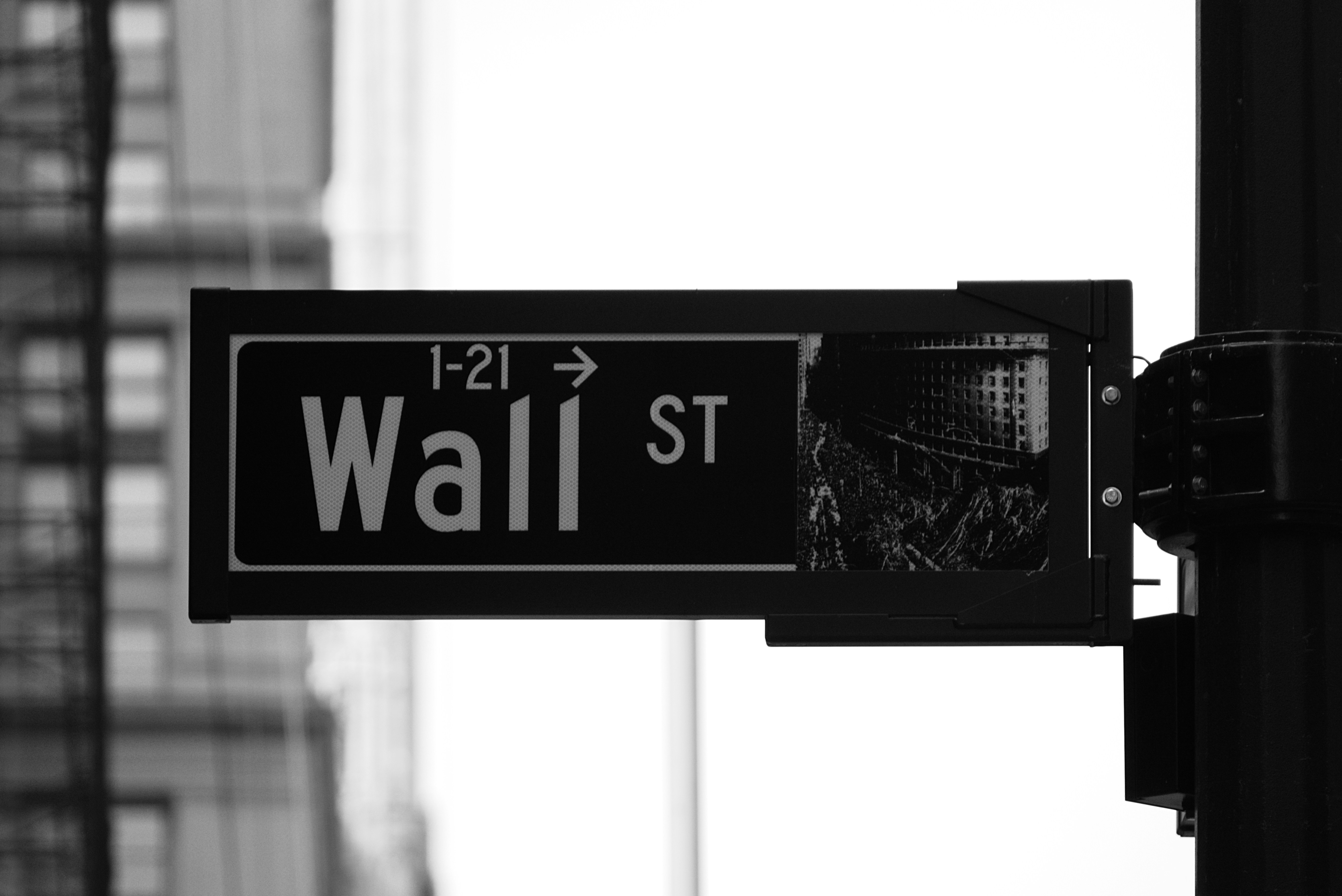
Wall Street is once again experiencing a surge in volatility, leaving traders and investors on edge as they navigate the unpredictable market environment. The recent resurgence in market swings has caught the attention of many who had become accustomed to a relatively stable trading landscape in recent years. This renewed volatility is significant, as it often signals underlying instability and can have far-reaching implications for portfolios, trading strategies, and overall market sentiment.
The Benchmark Indicator
A key indicator of market volatility is the benchmark that tracks investors' fear, such as the CBOE Volatility Index (VIX), often referred to as Wall Street’s “fear gauge.” This index measures the market's expectations of future volatility and is widely used by traders to gauge the level of uncertainty in the market. Historically, the VIX rises during periods of market stress, reflecting the increased demand for options as traders seek to hedge against potential losses.
Currently, the VIX is trading above its long-term averages, a signal that traders are bracing for more market turbulence. This elevated level suggests that investors are increasingly concerned about the near-term outlook and are preparing for the possibility of further market swings. The significance of this benchmark cannot be understated, as it often precedes major market moves, either up or down.
Market Reactions
In response to the increased volatility, traders have begun adjusting their strategies to manage the heightened risk. One of the primary reactions has been a shift in asset allocations. Many traders are moving away from riskier assets, such as high-growth stocks, and toward safer investments like government bonds and gold. This shift reflects a broader desire to preserve capital in an uncertain environment.
Hedging strategies have also become more prevalent, with traders increasingly turning to options and futures to protect their portfolios. By purchasing put options or entering into futures contracts, traders can limit their downside risk while maintaining exposure to potential upside gains. This cautious approach is indicative of the current market sentiment, where fear of significant losses is driving more conservative behavior.
Factors Driving Volatility
Several key factors are contributing to the renewed volatility on Wall Street. Economic concerns are at the forefront, with inflation data and interest rate changes playing a significant role. Rising inflation has raised fears that central banks may need to tighten monetary policy more aggressively, which could slow economic growth and hurt corporate profits. Additionally, mixed signals from economic indicators have added to the uncertainty, making it difficult for traders to predict the market's direction.
Geopolitical events are another major driver of volatility. Ongoing conflicts, trade tensions, and global political instability have heightened the risk of sudden market disruptions. For example, renewed tensions in the Middle East or shifts in trade policy between major economies can quickly lead to sharp market reactions.
Market-specific triggers, such as disappointing corporate earnings reports or sector-specific shocks, have also contributed to the volatility. When large companies miss earnings expectations or when a key sector experiences unexpected difficulties, it can lead to broader market sell-offs as investors reassess their risk exposure.
Conclusion
As Wall Street faces this renewed period of volatility, traders must remain vigilant and adaptable. The potential paths forward are varied—markets could stabilize if economic data improves and geopolitical tensions ease, or they could experience further turbulence if risks materialize. For traders and investors, the current environment requires a careful balance between managing risk and seizing opportunities. The outlook for the coming months remains uncertain, but by staying informed and adjusting strategies as needed, market participants can navigate these challenging times with greater confidence.
Author: Brett Hurll
Gyrostat September Retirement Portfolio Resilience Assessment
September Retirement Portfolio Resilience Assessment Markets have fallen. The price of risk has risen. ... Read more
Does The West Have A Problem With Government Bonds
If you have been following the financial pages over the past few weeks, one theme has begun to stand out from the usual ... Read more
August Retirement Portfolio Resilience Assessment
Markets Are Higher. The Price of Risk Is Lower. Retirement invest... Read more
When The Wave Turns
Why Retirement Investing Is Moving Towards Resilience Jeremy Grantham’s latest market warnings have revived an old tru... Read more
Gyrostat Capital Management: July Retirement Portfolio Resilience Assessment
The Market Is Currently Presenting an Opportunity to Strengthen Retirement Portfolio Resilienc... Read more
The Invisible Risk That Decides Your Retirement
Why how investors behave matters more than what markets do and what disciplined port... Read more