

The Declining Rupee: A Barrier To India's Interest Rate Cuts?
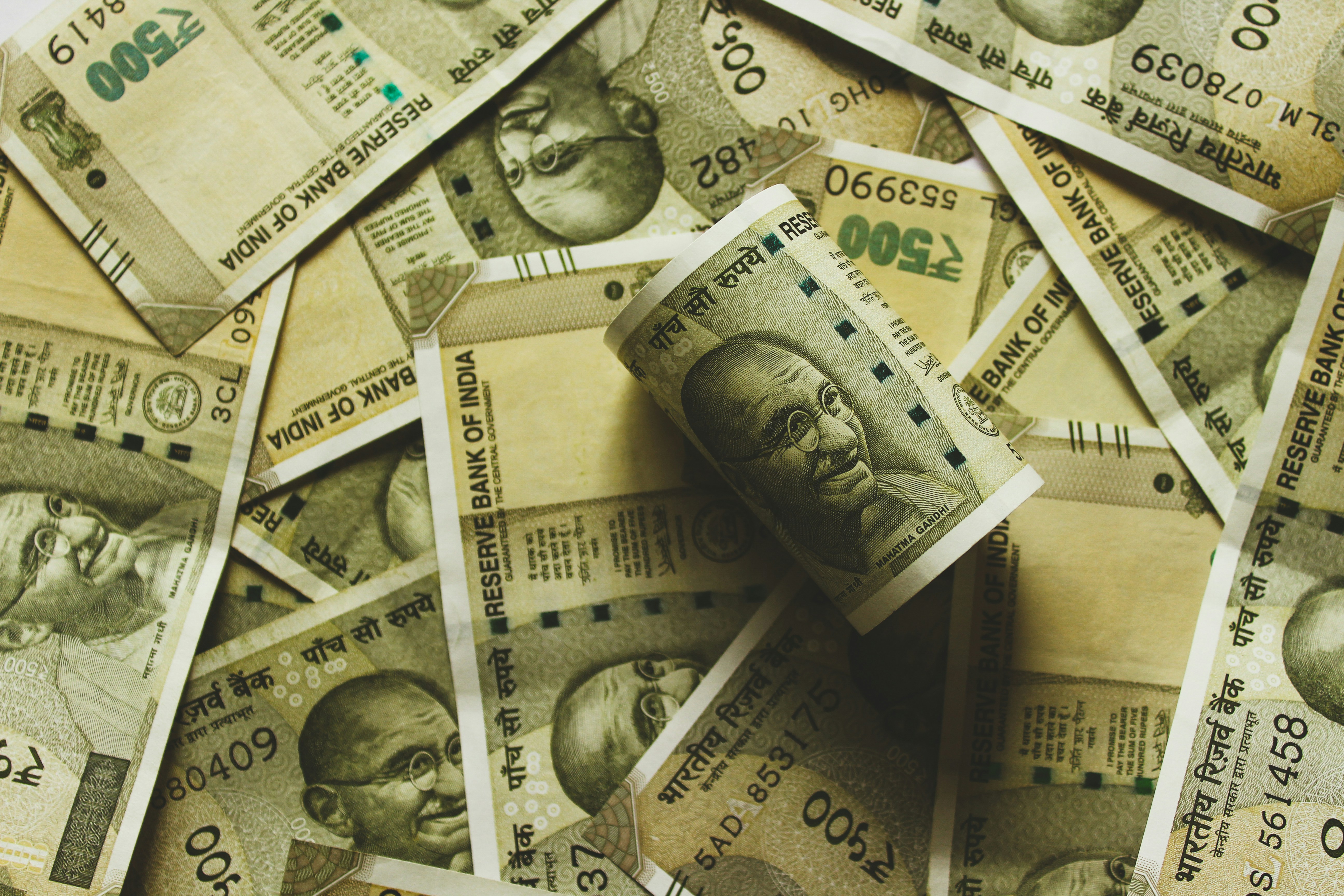
As the world’s fastest-growing major economy, India has been navigating a delicate balance between fostering growth and managing inflation. However, the recent decline in the rupee’s value has added a new layer of complexity to its monetary policy. This weakening currency not only heightens inflationary pressures but also raises questions about the Reserve Bank of India’s (RBI) ability to implement interest rate cuts to stimulate the economy. The rupee’s depreciation underscores the challenges of maintaining economic stability amid global and domestic uncertainties.
The Current State of the Rupee
Recent Trends in the Rupee’s Value
The Indian rupee has faced significant pressure, losing value against major global currencies. Contributing factors include rising crude oil prices, geopolitical tensions, and a stronger U.S. dollar. The Federal Reserve’s monetary tightening has attracted capital to U.S. markets, further weakening emerging market currencies like the rupee.
Implications of a Weak Currency
A depreciating rupee leads to increased costs for imports, particularly crude oil, which constitutes a significant portion of India’s import bill. This exacerbates the trade deficit and puts pressure on foreign exchange reserves, creating a cycle of economic vulnerabilities. For consumers, the immediate impact is seen in higher prices for fuel and imported goods.
Inflation and Monetary Policy Challenges
The Link Between a Weak Rupee and Inflation
The weakening rupee directly contributes to inflation by driving up the cost of imported goods. Higher crude oil prices trickle down to transportation and production costs, increasing the prices of essential goods. This erodes purchasing power and raises the cost of living for millions of Indians.
Constraints on Interest Rate Cuts
The RBI faces a tough choice. While cutting interest rates could stimulate growth, it risks further depreciation of the rupee by making Indian assets less attractive to foreign investors. This could trigger capital outflows, putting additional pressure on the currency and exacerbating inflation. As a result, the RBI must tread carefully to balance inflation control with the need to sustain economic momentum.
Broader Economic Implications
Impact on India’s Growth Prospects
A weaker rupee and high inflation dampen consumer spending and private investment, key drivers of India’s economic growth. Businesses face higher costs for imported raw materials, squeezing profit margins and discouraging expansion. These factors could slow down India’s growth trajectory if not addressed effectively.
Perception Among Investors and Global Markets
Currency stability plays a critical role in attracting foreign investment. Persistent weakness in the rupee may raise concerns among global investors about India’s macroeconomic stability, potentially deterring much-needed capital inflows. This could further complicate efforts to sustain growth and manage inflation.
Policy Options and Recommendations
Measures to Stabilize the Rupee
The RBI can intervene in forex markets to stabilize the rupee, using its foreign exchange reserves to manage volatility. Additionally, raising interest rates could make Indian assets more attractive to investors, bolstering the currency. Long-term strategies, such as promoting exports and reducing import dependency, can also help mitigate the impact of currency depreciation.
Balancing Inflation and Growth
To address the dual challenges of inflation and growth, India must adopt a coordinated approach. Fiscal policies, such as targeted subsidies and infrastructure investments, can complement monetary measures. Strengthening domestic manufacturing and supply chains can reduce reliance on imports, creating a more resilient economic framework.
Conclusion
The weakening rupee poses significant challenges to India’s monetary policy, particularly in its ability to implement interest rate cuts. While a depreciating currency amplifies inflationary pressures and economic uncertainties, it also highlights the need for proactive and balanced policymaking. By stabilizing the rupee, managing inflation, and fostering sustainable growth, India can navigate these complexities and maintain its position as a global economic leader. A coordinated approach between fiscal and monetary policies will be essential to ensuring long-term economic stability and resilience.
Author: Ricardo Goulart
Gyrostat September Retirement Portfolio Resilience Assessment
September Retirement Portfolio Resilience Assessment Markets have fallen. The price of risk has risen. ... Read more
Does The West Have A Problem With Government Bonds
If you have been following the financial pages over the past few weeks, one theme has begun to stand out from the usual ... Read more
August Retirement Portfolio Resilience Assessment
Markets Are Higher. The Price of Risk Is Lower. Retirement invest... Read more
When The Wave Turns
Why Retirement Investing Is Moving Towards Resilience Jeremy Grantham’s latest market warnings have revived an old tru... Read more
Gyrostat Capital Management: July Retirement Portfolio Resilience Assessment
The Market Is Currently Presenting an Opportunity to Strengthen Retirement Portfolio Resilienc... Read more
The Invisible Risk That Decides Your Retirement
Why how investors behave matters more than what markets do and what disciplined port... Read more