

Recession Fears Grip Markets: How Investors Are Reacting To Economic Uncertainty
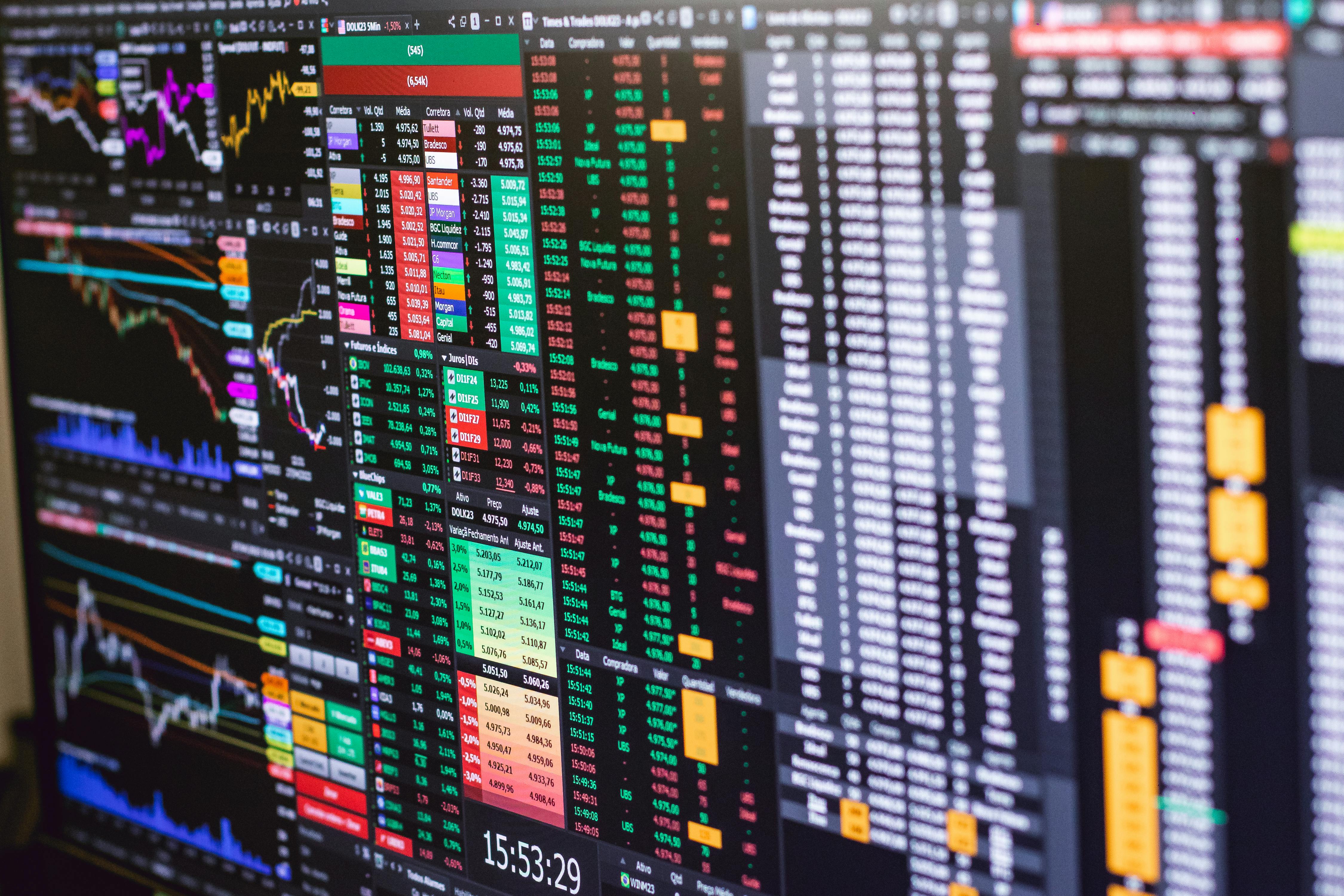
Wall Street took a sharp dive as growing concerns over a U.S. economic slowdown rattled investors. The Nasdaq Composite plunged 4%, wiping out recent gains, while Tesla, once a market darling, erased all its post-election profits. The sell-off extended beyond tech, hitting major indexes like the S&P 500 and Dow Jones, signaling broad investor unease.
The key question now is whether this is a short-term market correction or a deeper warning sign of economic trouble. Rising interest rates, slowing GDP growth, and deteriorating consumer sentiment suggest that Wall Street’s fears may not be unfounded. Investors are adjusting their strategies, some pulling money out of equities while others seek safer assets. But is a recession truly on the horizon, or is this market panic an overreaction?
The Economic Slowdown: What’s Causing Investor Anxiety?
Rising Interest Rates
The Federal Reserve has aggressively raised interest rates in its fight against inflation. While higher rates help control price increases, they also make borrowing more expensive, squeezing corporate profits and reducing consumer spending. Companies reliant on cheap financing—particularly in the tech sector—are feeling the pressure, leading to sell-offs in stocks like Tesla and other high-growth firms.
Slowing GDP Growth
Recent economic reports show that U.S. GDP growth is decelerating. Key indicators point to reduced consumer demand, weaker manufacturing output, and declining business investments. While not yet signaling a full-blown recession, the slowdown has investors worried about future earnings declines and lower stock valuations.
Job Market and Consumer Confidence
Despite a historically strong labor market, cracks are beginning to appear. Some sectors, including tech and finance, have already announced layoffs, raising fears of a broader downturn. Meanwhile, consumer confidence—an important measure of economic health—has been declining as Americans worry about rising costs and job security.
The Stock Market’s Reaction
Technology Sector Hit Hardest
High-growth tech stocks have been the biggest losers in the recent sell-off. Tesla, which had rallied post-election, has now given up all those gains, reflecting a broader retreat from riskier assets. Investors are wary of companies with high valuations and uncertain future earnings, leading to sharp declines in major tech firms.
Broad-Based Market Sell-Off
While tech has taken the biggest hit, the sell-off has affected nearly every sector. The S&P 500 and Dow Jones have both tumbled as investors react to economic uncertainty. Even strong-performing industries, such as healthcare and financials, have seen declines, indicating a widespread retreat from equities.
Investor Flight to Safety
As stocks tumble, investors are seeking refuge in safer assets. U.S. Treasury bonds have seen increased demand, pushing yields lower. Gold, a traditional hedge against market volatility, has also risen in value. This shift suggests that investors are preparing for further economic instability.
How Different Investors Are Responding
Retail Investors vs. Institutional Investors
Retail investors—everyday traders—are showing signs of panic selling, offloading stocks in an attempt to cut losses. Meanwhile, institutional investors, such as hedge funds and asset managers, are making more strategic adjustments, rotating into defensive stocks and increasing cash reserves.
Shift in Investment Strategies
Many investors are shifting toward defensive stocks, including utilities, consumer staples, and healthcare companies—industries that tend to be less affected by economic downturns. Others are increasing cash holdings, waiting for clearer signals before re-entering the market.
Is a Recession Inevitable?
Key Warning Signs to Watch
Several indicators suggest that a recession could be on the horizon:
- Yield curve inversion – Historically, when short-term interest rates rise above long-term rates, it has preceded economic downturns.
- Declining corporate earnings – Companies are beginning to revise profit expectations downward, a potential early signal of a recession.
- Rising layoffs – Job cuts in key industries could indicate broader economic weakness ahead.
Diverging Expert Opinions
Market analysts remain divided on whether the U.S. is heading for a recession.
- The bullish view: Some argue that the economy remains resilient, with low unemployment and steady consumer spending preventing a deeper downturn. They believe the sell-off is an overreaction that will correct itself once market sentiment stabilizes.
- The bearish view: Others warn that a slowdown is inevitable, as high interest rates choke economic activity and corporate earnings decline. They point to past cycles where similar market conditions led to a broader financial downturn.
Conclusion
The recent sell-off highlights growing investor fears about an economic slowdown. Rising interest rates, declining growth, and weak consumer confidence have shaken markets, leading to a broad retreat from stocks.
While some believe this is a temporary dip, others see warning signs of a prolonged downturn. Investors will need to closely monitor economic indicators in the coming months to determine whether a recession is truly on the horizon or if Wall Street’s fears are merely a case of short-term market panic.
For now, uncertainty reigns, and caution remains the dominant strategy.
Author: Brett Hurll
Gyrostat September Retirement Portfolio Resilience Assessment
September Retirement Portfolio Resilience Assessment Markets have fallen. The price of risk has risen. ... Read more
Does The West Have A Problem With Government Bonds
If you have been following the financial pages over the past few weeks, one theme has begun to stand out from the usual ... Read more
August Retirement Portfolio Resilience Assessment
Markets Are Higher. The Price of Risk Is Lower. Retirement invest... Read more
When The Wave Turns
Why Retirement Investing Is Moving Towards Resilience Jeremy Grantham’s latest market warnings have revived an old tru... Read more
Gyrostat Capital Management: July Retirement Portfolio Resilience Assessment
The Market Is Currently Presenting an Opportunity to Strengthen Retirement Portfolio Resilienc... Read more
The Invisible Risk That Decides Your Retirement
Why how investors behave matters more than what markets do and what disciplined port... Read more