

Markets In Turmoil: How Tariff Fears And Economic Uncertainty Are Driving Stocks Down
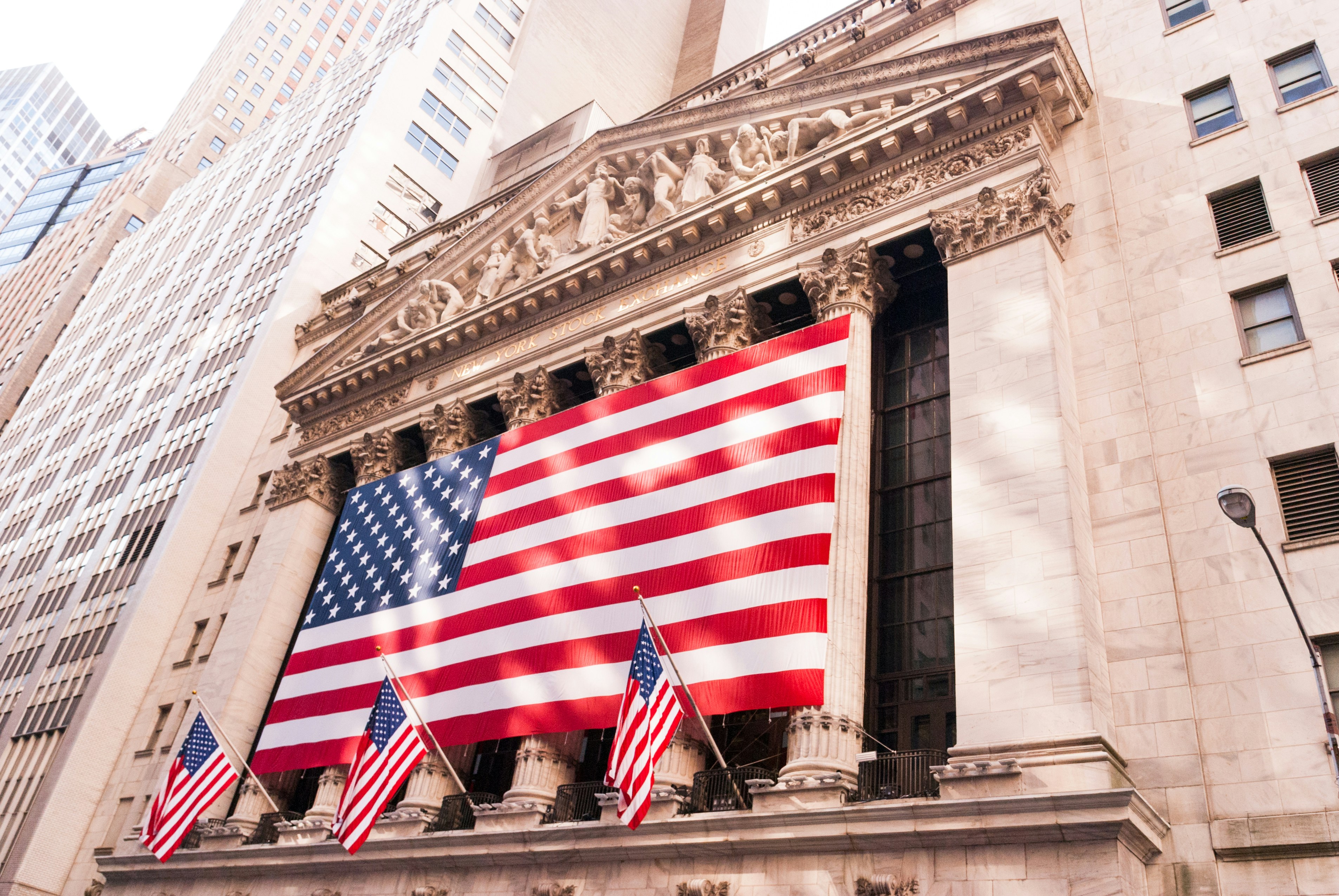
Global stock markets are experiencing heightened volatility as investors react to renewed trade tensions and signs of economic weakness in the United States. The latest wave of uncertainty stems from tariff threats by former U.S. President Donald Trump, coupled with concerning economic data that suggests a slowdown in U.S. growth.
Markets across Asia, Europe, and North America have recorded significant losses, with investors fearing that trade disputes and economic instability could disrupt global financial conditions. As concerns mount, analysts are questioning whether this downturn is a temporary correction or the beginning of a more prolonged market slump.
The Impact of Tariff Fears on Global Markets
One of the biggest drivers behind the recent sell-off is escalating trade war rhetoric. Trump has threatened new tariffs on Chinese goods, sparking fears of retaliatory measures from Beijing. The uncertainty surrounding trade policy has created turbulence in global markets, particularly in Asia.
Asian Markets React
- The Nikkei 225 in Japan fell sharply as investors worried about reduced demand for exports.
- The Hang Seng Index in Hong Kong dropped, reflecting concerns about China's economic resilience.
- China’s Shanghai Composite also saw losses, as investors braced for potential economic slowdowns.
Corporate and Investor Concerns
Businesses with international supply chains are facing renewed pressure, as tariffs threaten to increase costs and reduce profitability. Many investors have begun pulling money out of riskier assets, favoring safe-haven investments amid fears of another prolonged trade conflict.
The prospect of tariffs on key sectors like technology, manufacturing, and agriculture has already led to declines in major U.S. companies with global exposure.
Signs of Weakness in the US Economy
Adding to market anxiety, recent economic data from the U.S. suggests slowing growth and potential trouble ahead.
Key Indicators Raising Concern:
- Slowing GDP Growth – Recent figures indicate weaker-than-expected economic expansion, signaling that the post-pandemic rebound may be losing momentum.
- Job Market Uncertainty – While unemployment remains relatively low, new hiring has slowed, and some sectors are seeing increasing layoffs.
- Declining Consumer Confidence – Consumers are spending less due to inflation concerns and economic uncertainty, which could hurt corporate earnings in the near future.
The Federal Reserve has been monitoring these trends closely, but its options for intervention are limited. With interest rates already elevated to combat inflation, further rate hikes could exacerbate the slowdown, while cutting rates too soon may reignite inflationary pressures.
Investor Reactions and Market Trends
With rising uncertainty, investors are adjusting their portfolios, leading to major shifts across financial markets.
Which Sectors Are Feeling the Pain?
- Technology stocks have been among the hardest hit, as companies reliant on global supply chains face increased costs and slower demand.
- Manufacturing and industrial stocks have also declined, reflecting fears that tariffs could disrupt production.
- Financial institutions are facing uncertainty, as higher interest rates and economic slowdowns make it harder for businesses to secure loans and investments.
Flight to Safe-Haven Assets
In response to market turbulence, many investors have moved their capital into traditionally low-risk assets, including:
- Gold, which has risen in value as investors seek a hedge against uncertainty.
- U.S. Treasury bonds, which are seeing increased demand as investors look for stability.
- The U.S. dollar, which has strengthened against other currencies due to its perceived safety.
This trend suggests that investors are bracing for more volatility ahead, rather than expecting a quick market recovery.
Potential Long-Term Effects
If current trends continue, the market downturn could have wider implications for the global economy.
Key Risks Moving Forward:
- Prolonged Market Volatility – Investors may remain cautious, leading to further sell-offs and unpredictable price swings.
- Supply Chain Disruptions – If tariffs escalate, companies will struggle to manage costs, leading to higher prices for consumers and lower profit margins for businesses.
- Federal Reserve Policy Dilemma – The Fed must decide whether to prioritize economic growth or inflation control, both of which come with risks.
- Recession Fears – If consumer confidence continues to decline and businesses reduce investment, the U.S. economy could face a more severe downturn.
The next few weeks will be crucial in determining whether markets can stabilize or if investors should prepare for a more significant economic slowdown.
Conclusion
The current market downturn is fueled by two major concerns: escalating tariff threats and weakening U.S. economic data. As investors react to trade war fears and slowing growth, global stock markets have taken a hit, with Asia seeing some of the biggest declines.
While some believe this is a temporary reaction to political uncertainty, others worry that the combination of trade disruptions and economic weakness could lead to longer-term volatility. With the Federal Reserve caught in a delicate balancing act and tariff policies still uncertain, investors are left wondering whether this is a market correction or the start of a more serious downturn.
For now, risk management will be key, and businesses, policymakers, and investors alike will need to navigate an increasingly fragile economic landscape.
Author: Ricardo Goulart
Gyrostat September Retirement Portfolio Resilience Assessment
September Retirement Portfolio Resilience Assessment Markets have fallen. The price of risk has risen. ... Read more
Does The West Have A Problem With Government Bonds
If you have been following the financial pages over the past few weeks, one theme has begun to stand out from the usual ... Read more
August Retirement Portfolio Resilience Assessment
Markets Are Higher. The Price of Risk Is Lower. Retirement invest... Read more
When The Wave Turns
Why Retirement Investing Is Moving Towards Resilience Jeremy Grantham’s latest market warnings have revived an old tru... Read more
Gyrostat Capital Management: July Retirement Portfolio Resilience Assessment
The Market Is Currently Presenting an Opportunity to Strengthen Retirement Portfolio Resilienc... Read more
The Invisible Risk That Decides Your Retirement
Why how investors behave matters more than what markets do and what disciplined port... Read more