

Investors Flee Junk Bonds As Bankruptcy Rates Soar
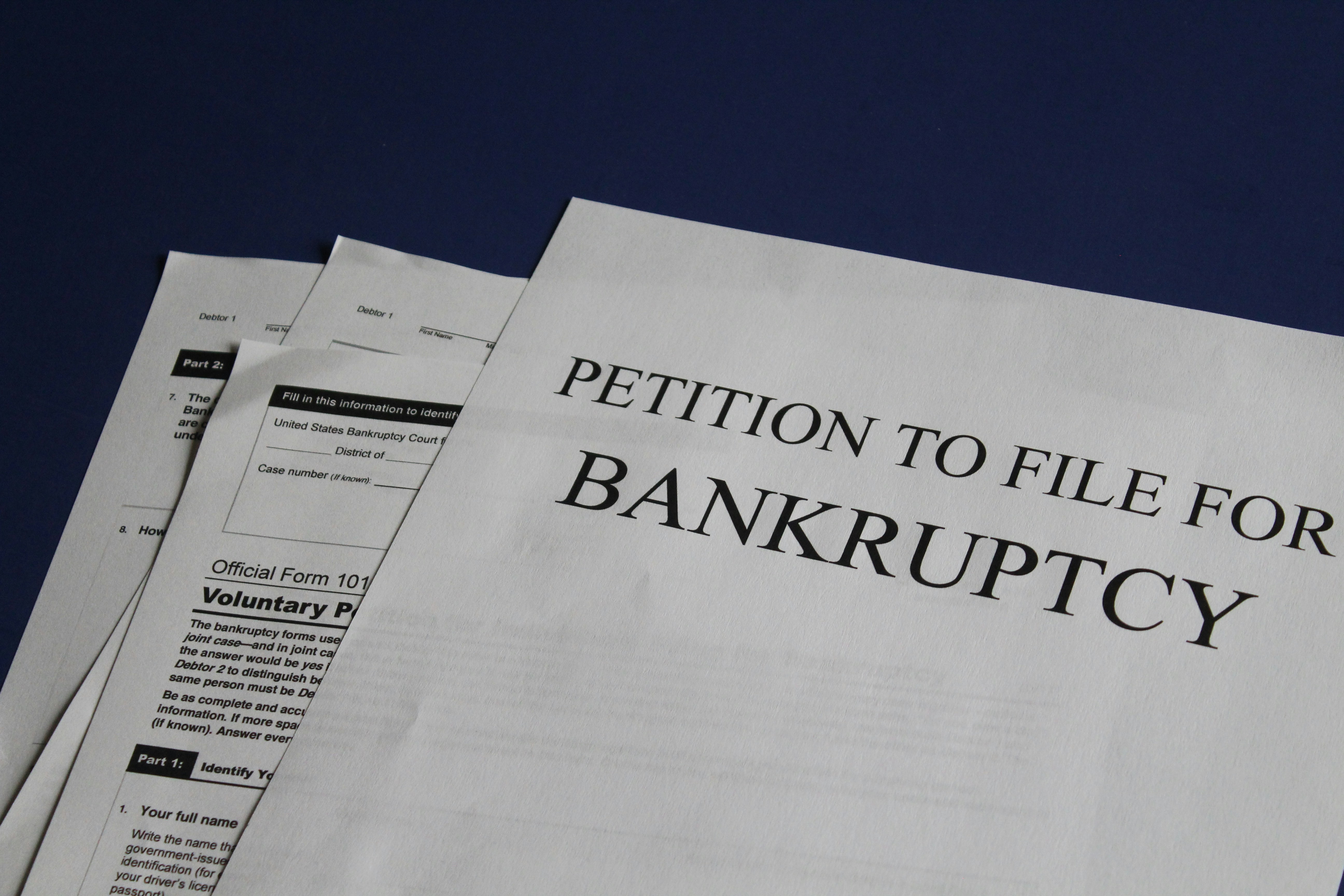
Investors are increasingly retreating from junk bonds as bankruptcy filings surge and economic instability persists. This shift is widening the gap between borrowing costs for high-risk and low-risk debt, driven by concerns over the impact of high US interest rates on companies' financial health.
Spike in Bankruptcy Filings
Recent months have witnessed a notable increase in bankruptcy filings, particularly among companies with substantial debt burdens. The economic strain from the pandemic, coupled with the pressure of rising interest rates, is pushing more firms into financial distress. Industries such as retail, energy, and manufacturing are particularly affected, with many companies struggling to stay afloat.
Risk Aversion Among Investors
Amid the rise in bankruptcy filings, investors are becoming increasingly risk-averse, shunning junk bonds despite their high yields. Junk bonds, while offering attractive returns, carry a significant risk of default. This risk has become more pronounced in the current economic climate, prompting investors to seek safer investment options. Government securities and high-grade corporate bonds, which provide lower but more reliable returns, are becoming more attractive to investors looking for stability.
Borrowing Cost Disparities
The disparity in borrowing costs between high-risk and low-risk debt has widened significantly. Companies with strong credit ratings and solid financial health continue to access capital at relatively low interest rates. In contrast, firms with weaker financial profiles are facing prohibitively high borrowing costs. This growing gap underscores the market's heightened focus on credit quality and the increasing premium placed on financial stability.
Influence of High US Interest Rates
High US interest rates are a major factor contributing to the financial challenges faced by many companies. The Federal Reserve's policy of maintaining high interest rates to curb inflation has led to increased borrowing costs. This environment is particularly harsh for highly leveraged companies, which are seeing their profit margins squeezed and their risk of default rise. As borrowing costs climb, these firms are finding it increasingly difficult to manage their debt, pushing more of them towards bankruptcy.
Conclusion
The surge in bankruptcy filings and the impact of high US interest rates are driving investors away from junk bonds. The widening gap in borrowing costs reflects the market's increased caution towards credit risk. In this uncertain economic climate, investors are favoring safer, more stable investment options, a trend that is likely to continue. As economic uncertainties persist, the preference for security over higher returns will shape investment strategies in the foreseeable future.
Author: Ricardo Goulart
Gyrostat September Retirement Portfolio Resilience Assessment
September Retirement Portfolio Resilience Assessment Markets have fallen. The price of risk has risen. ... Read more
Does The West Have A Problem With Government Bonds
If you have been following the financial pages over the past few weeks, one theme has begun to stand out from the usual ... Read more
August Retirement Portfolio Resilience Assessment
Markets Are Higher. The Price of Risk Is Lower. Retirement invest... Read more
When The Wave Turns
Why Retirement Investing Is Moving Towards Resilience Jeremy Grantham’s latest market warnings have revived an old tru... Read more
Gyrostat Capital Management: July Retirement Portfolio Resilience Assessment
The Market Is Currently Presenting an Opportunity to Strengthen Retirement Portfolio Resilienc... Read more
The Invisible Risk That Decides Your Retirement
Why how investors behave matters more than what markets do and what disciplined port... Read more