

Get A Load Of Fancypants No-enemies AMD-Xilinx: 'Large Majority' Of Third Parties 'had No Concerns' About Pair's Hookup
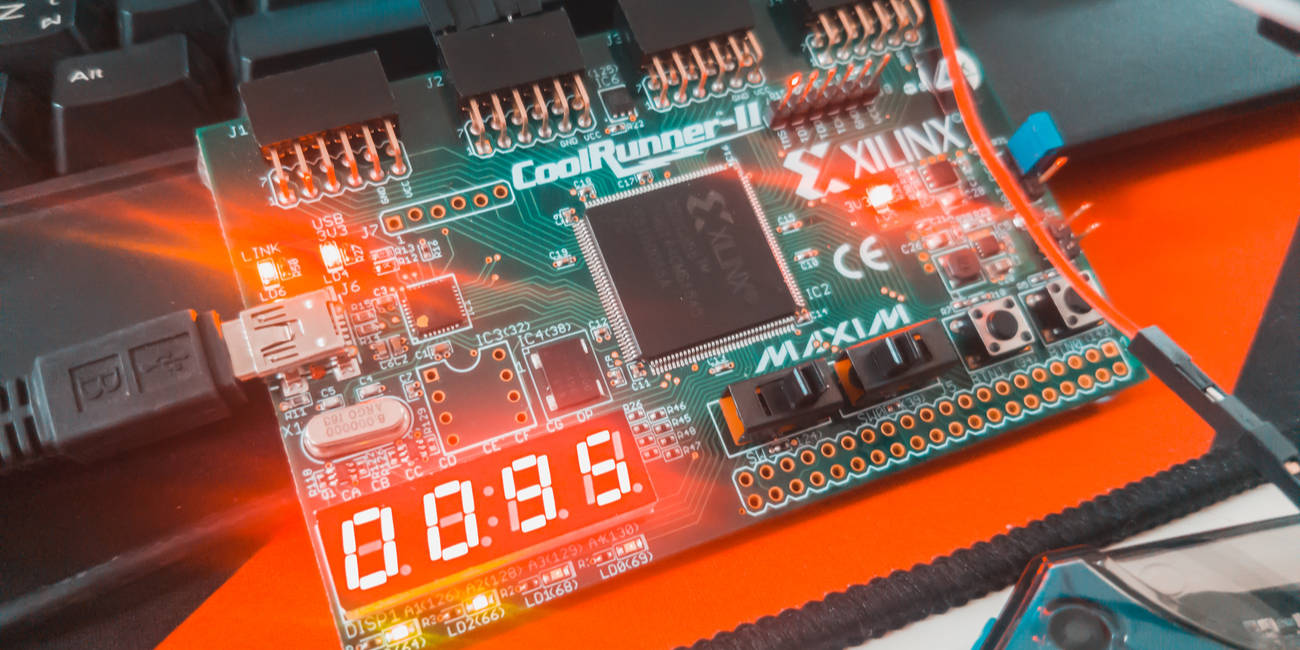
The UK’s competition regulator has finally published its reasons why it has decided not to stand in the way of the $35bn merger between AMD and Xilinx.
After two months of number crunching, market sleuthing and evidence-taking, the Competition and Market’s Authority (CMA) concluded that it “does not believe that it is or may be the case that the merger [between AMD and Xilinx] may be expected to result in an SLC (substantial lessening of competition) within a market or markets in the United Kingdom.”
What's more, the CMA also found little opposition within the industry even going as far as to say that the merger could be "pro-competitive".
- Xilinx snaps up 'accelerated computing' specialist Silexica for its SLX FPGA tool suite
- UK's competition watchdog sniffs around AMD's proposed $35bn all-stock buy of Xilinx
- Remember AMD, Xilinx were merging? Shareholders give thumbs up to $35bn deal
- Xilinx pops a 16-core 64-bit Arm system-on-chip from NXP into its latest FPGA-based 100Gbps smart NIC
- AMD's Lisa Su: Our processor sales are Ryzen faster than the PC market is growing
In October 2020, rumours about the possible tie-up between AMD and Xilinx were confirmed when details of the $35bn all-stock deal were made public.
In April, shareholders gave the merger the green light prompting much corporate back-slapping among execs.
AMD president and CEO Lisa Su, said at the time that Xilinx would bolster AMD's position in high-performance computing. “By combining our world-class engineering team and deep domain expertise, we will create an industry leader with the vision, talent and scale to define the future of high-performance computing.”
But in May, the UK’s Competition and Markets Authority (CMA) confirmed it planned an investigation to assess whether the merger would lead to a “substantial lessening of competition”.
At the end of June, both the CMA and the European Commission finally reported their decision and waved through the deal. However, full written details of the CMA’s decision were only published today.
In an 11-page statement, the CMA said it considered whether the proposed merger could stifle competition but found no evidence to support the concerns.
Even customers and competitors didn’t have an issue when the competition authority called for comment as part of the consultation phase.
“The large majority of third parties that responded to the CMA’s merger investigation did not express concerns regarding the Merger and some suggested that the Merger would be pro-competitive,” the ruling said.
You can read the full text here. [PDF]
Gyrostat Capital Management: Why Risk Management Is Not About Predicting Risk
Why Risk Management is Not About Predicting Risk Financial markets reward confidence, but they punish certai... Read more
Gyrostat January Outlook: Calm At Multiyear Extremes
This monthly Gyrostat Risk-Managed Market Outlook does not attempt to forecast market direction. Its p... Read more
Gyrostat December Outlook: The Market Does The Work
Harnessing Natural Volatility for Consistent Returns Markets have always moved more th... Read more
Gyrostat Capital Management: Why Advisers Must Scenario-Plan Both The Bubble And The Bust
The Blind Spot: Why Advisers Must Scenario-Plan Both The Bubble and The Bust In financial m... Read more
Gyrostat Capital Management: The Hidden Architecture Of Consequences
When Structures Themselves Become A Risk In portfolio construction, risk is rarely where we look for it.... Read more
Gyrostat November Outlook: The Rising Cost Of Doing Nothing
Through the second half of 2025, markets have delivered a curious mix of surface tranquillity and instabi... Read more