

Factors Influencing Stock Market Volatility
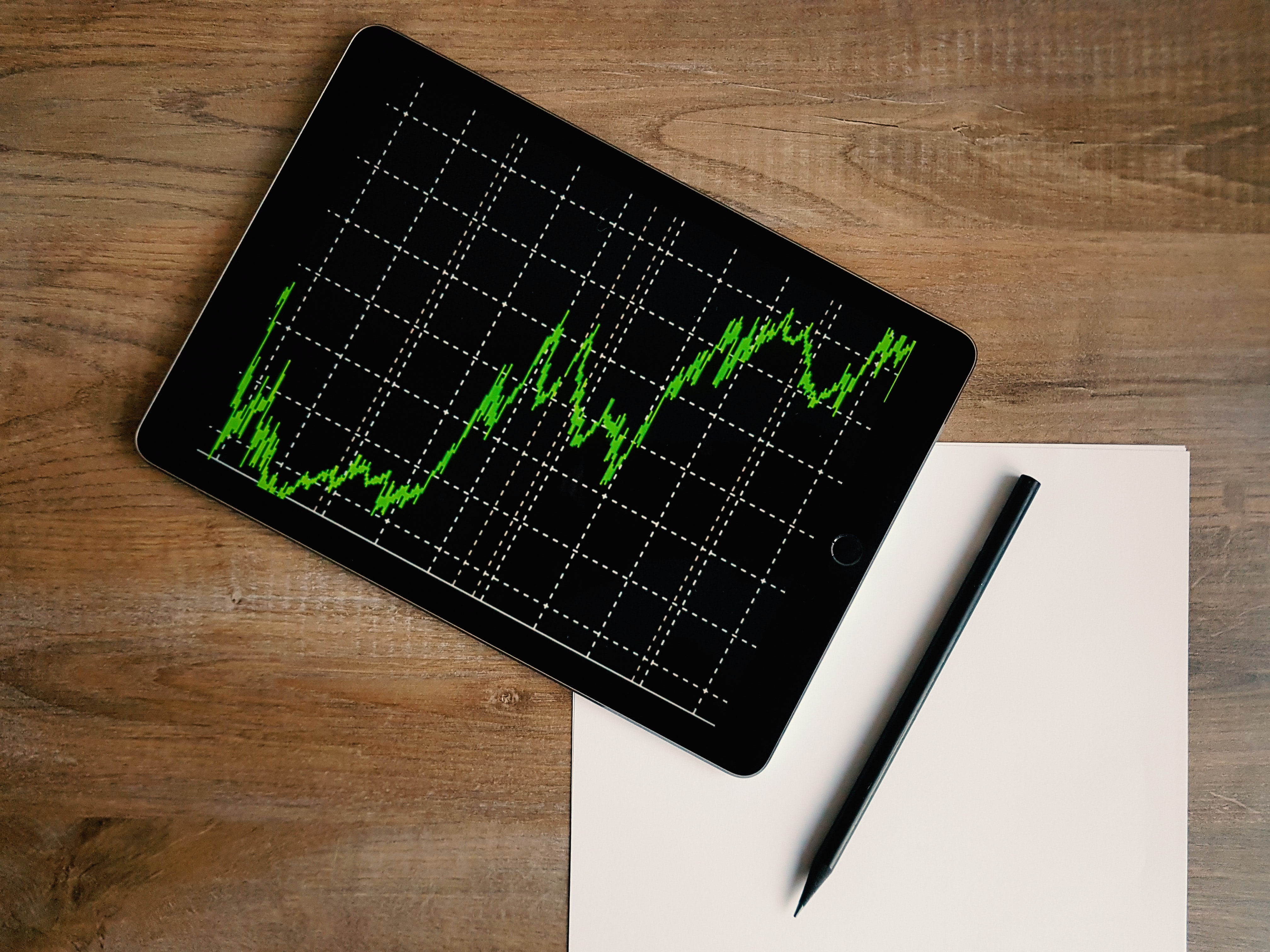
Every investor treads carefully through the changing tides of stock market volatility, which underscores the random fluctuations of stock prices. Grasping factors influencing stock market volatility thus carries paramount importance for investors and aids them in charting their investing horizon.
Delving deeper into stock market volatility, it denotes the speed at which the prices of stocks increase or decrease for a set of returns. It significantly poses twin felt effects on investors. On one hand, the seductive lure of high returns in volatile markets entices the risk-takers to plunge and profit. Contrarily, conservative investors step back, cautious of the blistering uncertainty of returns.
Factors influencing stock market volatility are staggeringly diverse as they extend from economic indicators to global events, and intertwine the dynamics of politics, psychology, and technology within their ambit. Economic indicators, prominent of which include Gross Domestic Product (GDP), interest rates, and unemployment rates, pivotally steer the wheel of volatility. An unexpected dip or rise in these indicators shakes the equilibrium, fanning the flames of volatility.
Political arena plays its part in setting stock market volatility in motion too. Equilibrium of the market feels the ripples of political stability or instability, alterations in administrative regimes, and even potential election outcomes. Every policy change, be it heartily welcomed or received with rising brows, agitates the calm waters converting them into a turbulent sea of volatility.
Investor sentiment too is a helmsman guiding the ship of stock market volatility. Mounting fear or escalating optimism, emotions are indeed an active player in the stock market. Elements like herd mentality, where investors collectively move in unison, and panic selling amplify volatility. Fear, uncertainty, or even rampant optimism, can fan the flames of volatility.
Likewise, technology has bared its influence too. We live in a world of constant tech upheavals where technological advancements and disruptions stand as a potent factor stirring volatility in the market arena. Emerging trends like AI and Cryptocurrency not only redefine the landscape of investing but also raise swathes of uncertainty, and hence volatility.
Nothing creates volatility like global events. Be it wars, pandemics, or natural calamities, they shake the very core of stock markets and instigate waves of volatility. An unexpected occurrence in any part of the world can ripple across the global market, causing significant volatility.
Understanding factors influencing stock market volatility play a pivotal role in mitigating investment risks and optimizing returns. As the landscape of the stock market volatility is so richly diverse, it is imperative for investors to stay informed. Knowledge is power when it comes to navigating through the turbulent waters of volatility. Only then can they brave through the arising challenges and seize the opportunities presented by the often tumultuous, yet rewarding world of stock market investing.
Author: Gerardine Lucero
Gyrostat September Retirement Portfolio Resilience Assessment
September Retirement Portfolio Resilience Assessment Markets have fallen. The price of risk has risen. ... Read more
Does The West Have A Problem With Government Bonds
If you have been following the financial pages over the past few weeks, one theme has begun to stand out from the usual ... Read more
August Retirement Portfolio Resilience Assessment
Markets Are Higher. The Price of Risk Is Lower. Retirement invest... Read more
When The Wave Turns
Why Retirement Investing Is Moving Towards Resilience Jeremy Grantham’s latest market warnings have revived an old tru... Read more
Gyrostat Capital Management: July Retirement Portfolio Resilience Assessment
The Market Is Currently Presenting an Opportunity to Strengthen Retirement Portfolio Resilienc... Read more
The Invisible Risk That Decides Your Retirement
Why how investors behave matters more than what markets do and what disciplined port... Read more