

California Wildfire Insurance Payouts Top $12 Billion As Claims Surge
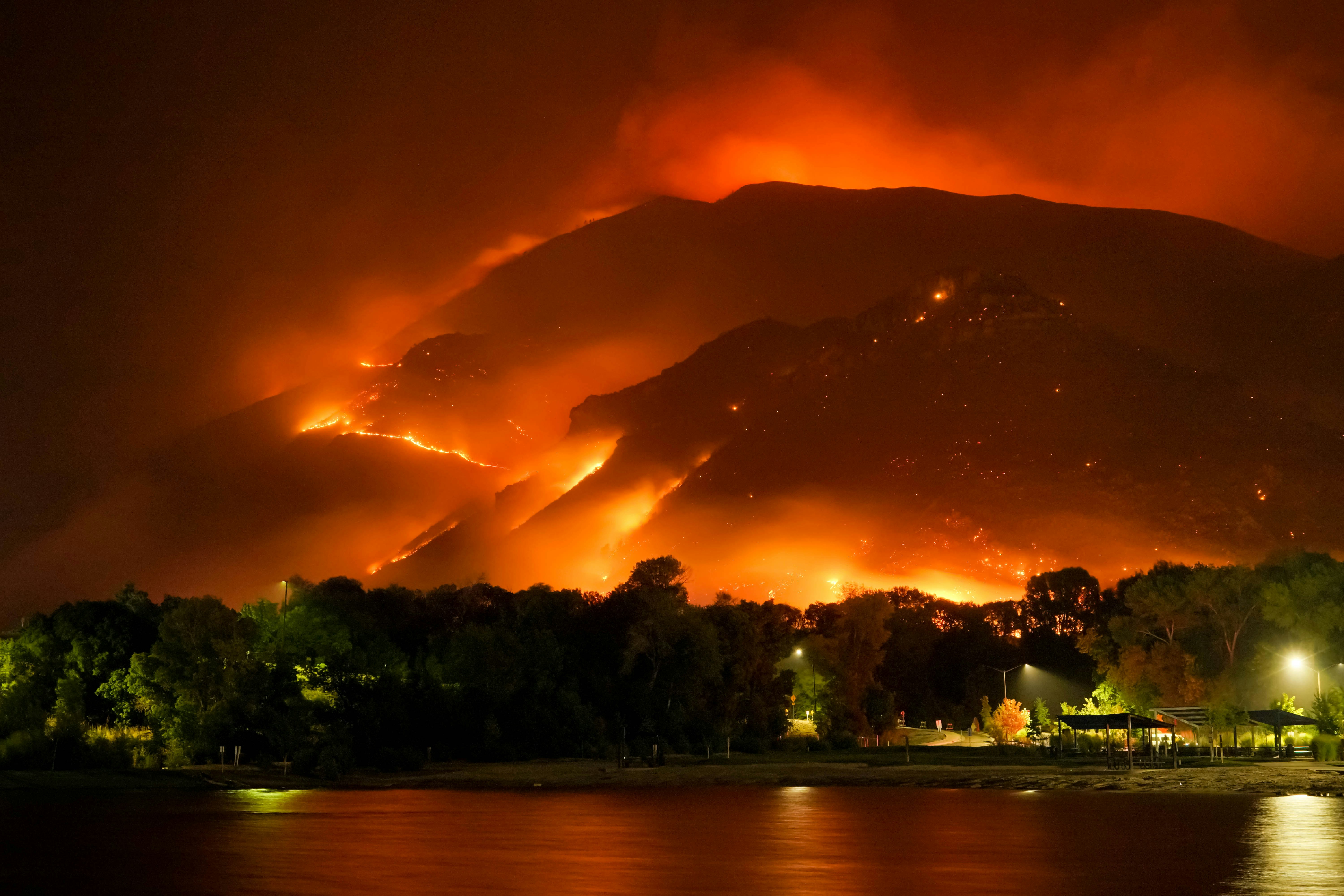
The devastating wildfires that swept through the Los Angeles area earlier this year have resulted in more than $12.1 billion in insurance payouts, highlighting the massive financial toll of the disaster. California Insurance Commissioner Ricardo Lara announced the updated figures, which nearly double the $6.9 billion reported just a month prior.
These payouts stem from the two largest fires, the Eaton Fire and the Palisades Fire, but total insured losses across all five fires that burned during the same period could reach as high as $40 billion. As recovery efforts continue, tens of thousands of policyholders are still awaiting further payments to rebuild homes and businesses.
The Scale of the Wildfire Damage
The wildfires that tore through Southern California in January left behind widespread destruction. Tens of thousands of structures were lost, including homes, businesses, and public infrastructure. The Eaton Fire and Palisades Fire alone accounted for an estimated $8 billion in insured losses, while broader estimates across all affected areas suggest losses could soar to $40 billion.
The California Department of Insurance (CDI) reported that the wildfires generated nearly 38,000 insurance claims from residents and business owners seeking financial assistance for destroyed property, temporary housing, and business interruptions.
Breakdown of Insurance Claims and Payments
The latest insurance data from the CDI provides insight into how funds are being distributed:
- Total claims filed: 37,749 covering homes, businesses, and other disaster-related losses.
- Claims partially paid: 27,821 received advance payments required by law to speed up recovery.
- Total payouts to date: $12.1 billion, with additional claims still being processed.
The bulk of the remaining claims involve property damage and debris removal, which insurers pay out only after rebuilding efforts commence. Many homeowners are now navigating the lengthy insurance claims process, dealing with paperwork, assessments, and delays in reconstruction efforts.
Challenges in the Insurance Payout Process
While insurance payouts are crucial for recovery, delays and disputes remain a major hurdle for many claimants. Several factors contribute to the slow progress:
- Processing backlogs: The sheer number of claims has overwhelmed some insurers, leading to delays.
- Debris removal issues: Before insurers release full property damage payouts, homeowners must clear debris—often a slow and expensive process.
- Underinsurance concerns: Many homeowners are discovering that their policies do not fully cover rebuilding costs due to rising construction prices.
- Disputes over payments: Some insurers are facing legal challenges from policyholders who claim they are being underpaid or denied coverage.
These challenges prolong the recovery process, leaving many residents in limbo as they await the funds needed to rebuild their lives.
The Financial Impact on Insurance Companies
The sheer volume of wildfire-related claims is putting immense financial pressure on insurance providers. This has led to concerns about rising premiums and insurers pulling out of high-risk areas.
- Some insurance companies have already raised rates in California, citing the increased risk of wildfires.
- Others have stopped issuing new policies in fire-prone regions, leaving homeowners struggling to find coverage.
- The state government is considering policy reforms to address the growing issue of "climate-driven insurance risk."
The financial strain on insurers is expected to have long-term effects on California’s insurance market, possibly making coverage more expensive and harder to obtain for homeowners in wildfire-prone zones.
Future Wildfire Preparedness and Insurance Reforms
As wildfires continue to intensify, California officials and insurers are exploring new strategies to improve disaster preparedness and insurance coverage. Key proposals include:
- Stricter fire prevention measures, such as improved land management and controlled burns.
- Mandatory homeowner mitigation efforts, like fire-resistant building materials and defensible space requirements.
- Changes to insurance regulations that would require companies to cover high-risk areas while ensuring affordability for homeowners.
- Expanding state-backed insurance programs for residents who can no longer obtain private coverage.
Additionally, climate change is making wildfires more frequent and severe, forcing policymakers to rethink long-term risk management strategies.
Conclusion
The $12.1 billion in wildfire insurance payouts reflects the immense financial and personal devastation caused by the January wildfires. While insurance claims have provided relief for many, thousands of residents are still navigating delays, disputes, and rebuilding challenges.
As the insurance industry adapts to increasing wildfire risks, homeowners face a future of rising premiums and stricter coverage policies. The question remains: Will California’s insurance system evolve to protect both residents and insurers, or will wildfires continue to drive instability in the market?
For now, recovery efforts are ongoing, and the full financial toll of these fires is still unfolding.
Author: Ricardo Goulart
People Power: Building The Future Of Insurance One Career At A Time
The insurance industry is at a pivotal point. As emerging technologies reshape underwriting, claims processing, and cust... Read more
Private Equity's Great Divide: Is The Future Insurance-Funded Or Fee-Driven?
A fundamental shift is taking place at the top of the private equity industry. While firms like Blackstone remain commit... Read more
Japan's Next Battleground: The Insurance Sector Under Activist Pressure
Farallon’s push at T&D Holdings marks a shift in focus for activist capital targeting Japan’s untapped insurance... Read more
Cover And Conflict: Tensions Rise Between Insurers And Litigation Funders
Burford’s clash with Chubb signals a deeper rift in the legal-financial ecosystem A high-profile dispute between li... Read more
Underwater And Uninsured: How Climate Risk Is Reshaping The US Mortgage Market
As climate change intensifies, its effects are no longer confined to coastlines or news reports on extreme weather. In t... Read more
When The Raters Get Rated: What The Fitch–Kroll Feud Says About Oversight And Accountability
In a rare and unusually public confrontation between two of America’s credit rating agencies, a recent feud between Fi... Read more