

Role Of Predictive Analytics In Retail Banking Decision-Making
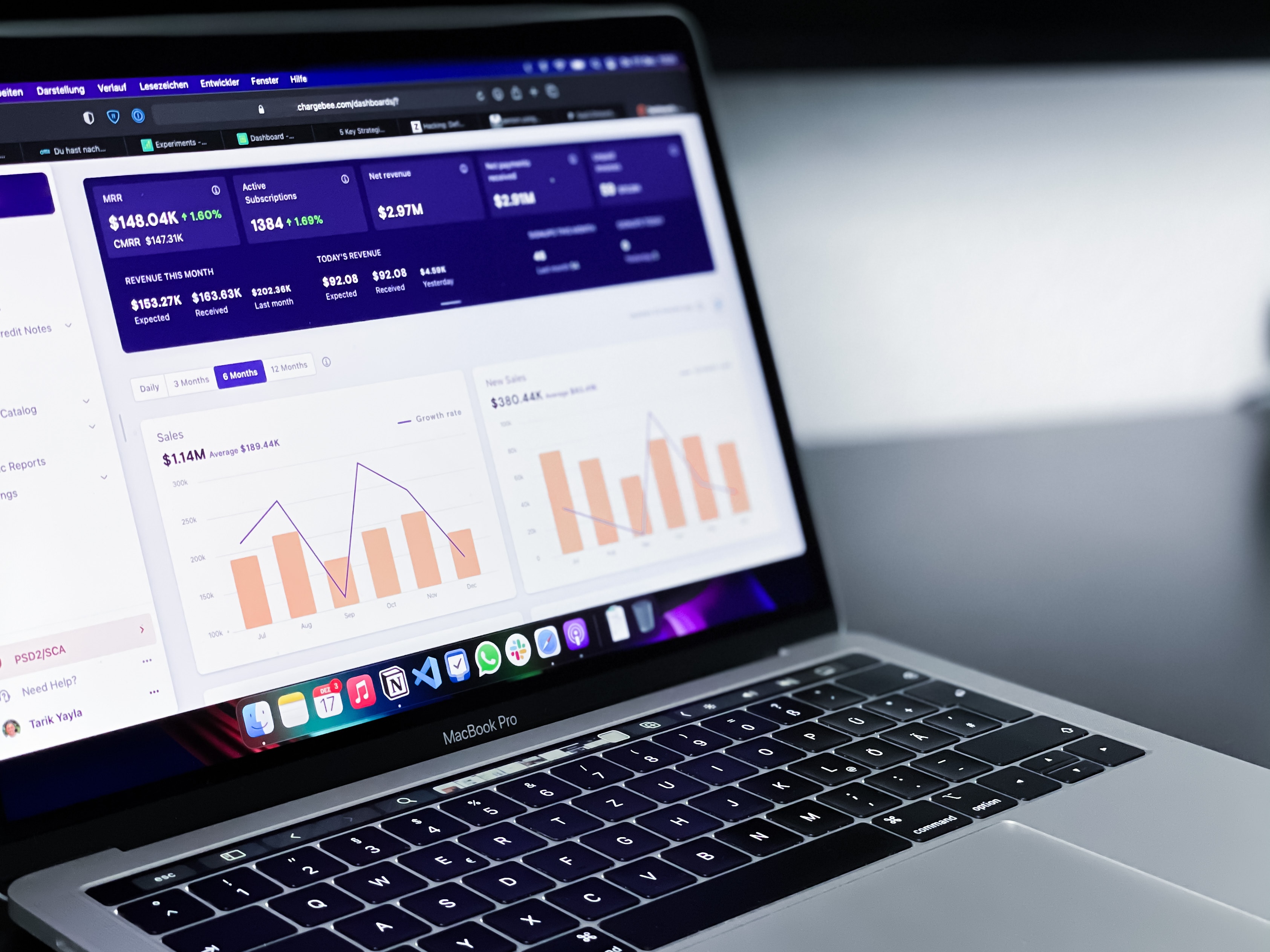
Have you ever wondered how advances in technology are influencing the management of your finances? One significant tool at play here is predictive analytics, which may sound like science fiction, but is very much a reality in today's business world. Simply put, predictive analytics utilizes statistical models and algorithms to crunch current and historical facts to predict potential future results.
Retail banking, the face of banking we're most familiar with when making transactions or applying for loans, relies heavily on effective decision making. Decisions vary from risk assessment to designing targeted marketing strategies. Consequently, the influence predictive analytics holds over these decisions has become fundamental to retail banking. The role of predictive analytics in retail banking decision-making has grown significantly, leading to efficient operations, and more personalized customer service.
Understanding Predictive Analytics
Predictive analytics is not about predicting the unpredictable, but rather making educated guesses based on data. It uses techniques from data mining, statistics, modeling, machine learning, and artificial intelligence to analyze present data and make predictions about the future.
Various predictive analytics models exist, including decision trees, regression, and neural networks. Each type plays a vital part depending on the business requirement. However, three key factors greatly influence predictive analytics: the quality of data, deployability of the models, and continuous feedback and refinement.
Application of Predictive Analytics in Retail Banking
Imagine a world where banks could predict their customers' behavior, their likelihood to default on a loan, or even their probable reactions to changes in interest rates. That's what the application of predictive analytics promises in retail banking.
By applying predictive analytics models, retail banks can make informed, data-backed decisions that can transform their operations. Whether it's risk management, where analytics can identify potential credit defaults or fraud detection, where suspicious activities can be pinpointed timely, predictive analytics plays a major role. Even areas like customer relationship management and sales and marketing strategies are greatly influenced as banks strive to offer more personalized services and products.
Benefits of Predictive Analytics in Retail Banking
Predictive analytics not only reconceptualizes the role of risk management but also enhances the banking experience for customers. By foreseeing potential risks, banks can safeguard themselves and their customers, leading to improved trust and relationships.
Furthermore, with predictive analytics, banks can anticipate customers' needs and preferences, providing a more intuitive and personalized experience. Operational efficiency is another distinct gain as banks can streamline their processes to eliminate redundancies and bottlenecks. Lastly, smarter financial products and services can be developed based on insights derived from analytics, driving innovation and profitability.
Challenges in Incorporating Predictive Analytics in Retail Banking
However, the incorporation of predictive analytics in retail banking is not without its challenges. Data privacy is a predominant concern, and regulations like GDPR add layers of complexity. Banks also need to invest in robust technology infrastructure to handle vast amounts of data, a necessity for reliable analytics. The need for skilled professionals to handle and interpret data, and the complexity in analysing it, are also real issues to be navigated.
The Future of Predictive Analytics in Retail Banking
So, what does the future hold for the role of predictive analytics in retail banking decision-making? We can expect an uptick in the application and refinement of these tools. The burgeoning connection of predictive analytics with technologies like artificial intelligence and machine learning promises an exciting future for retail banking, fostering a more intuitive and data-driven sector.
Navigating through the essence of predictive analytics in retail banking decision-making, it's clear that its role is central. From improving risk management to developing smarter financial services, predictive analytics has a lot to offer. Despite certain challenges, the way forward is brimming with potential, creating a bridge between technological evolution and efficient banking.
Author: Ricardo Goulart
Revoluts Australian Banking Licence Game Changer
Revolut has spent much of its life insisting that it is more than a bank. In Australia, it has now decided that becoming... Read more
The AI Bank Is Coming, But Who Controls The Risk?
Artificial intelligence is no longer something banks discuss as a distant possibility. It is already working behind the ... Read more
ClearBank UK Profit Leads To European Growth
ClearBank has spent much of the past decade building the technology and regulatory infrastructure needed to challenge so... Read more
Bank Of London Continues To Rebuild
ClearBank’s progress shows that modern clearing and banking infrastructure can become a sizeable and profitable busine... Read more
JPMorgan's Berlin Moment: Chase Takes On Europe
There is something quietly symbolic about JPMorgan Chase choosing Berlin as its gateway into continental Europe. In a fo... Read more
What Strategy's Bitcoin Sale Really Tells Us
There is a moment in every bull run when the narrative starts to fray. Not with a crash, not with a scandal, but with so... Read more