

Wall Streets Comeback? Hedge Funds Regain Confidence In U.S. Markets
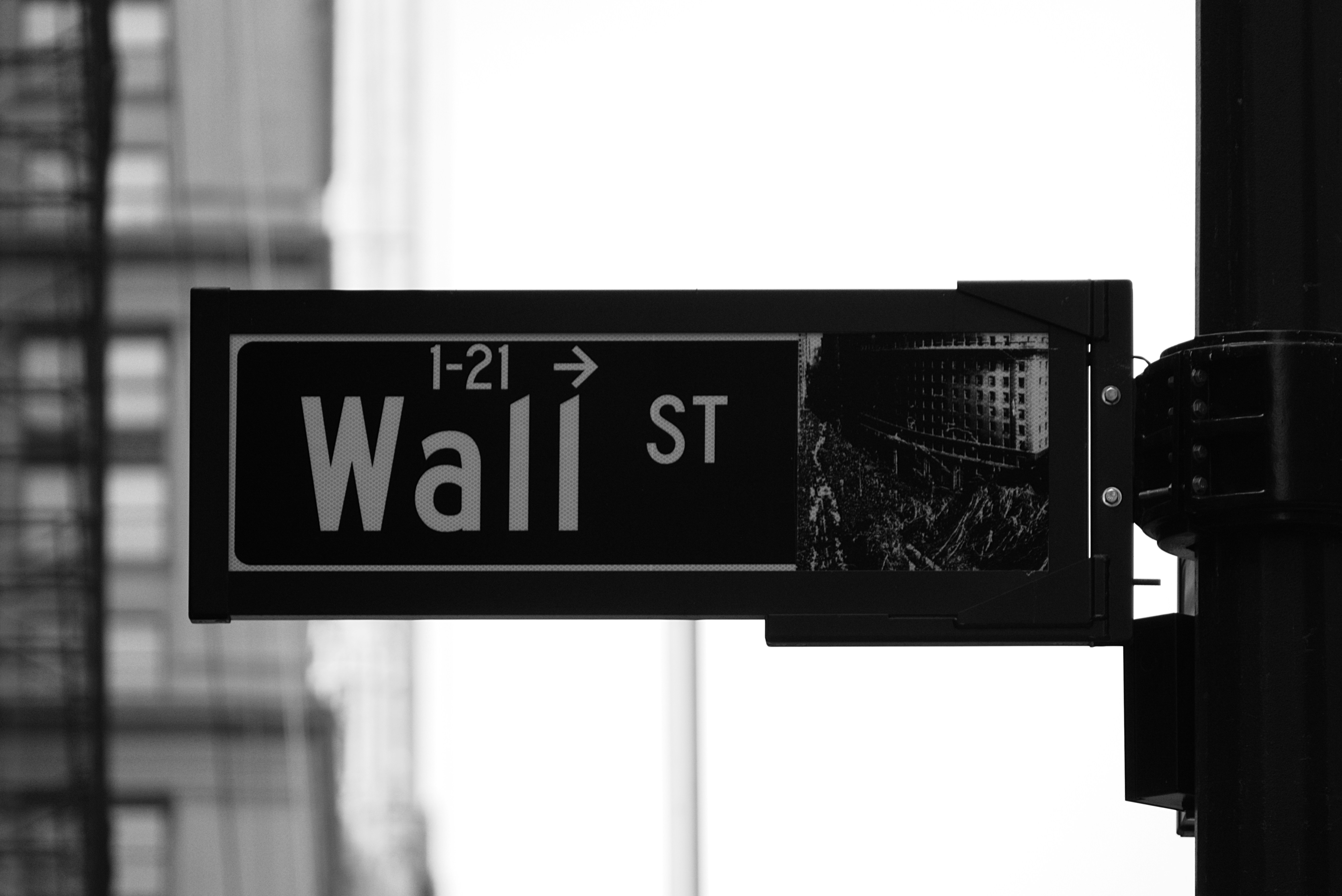
After a sharp selloff in early March, hedge funds have started to return to U.S. equities, signaling renewed optimism in the world’s largest stock market. According to a report by Goldman Sachs, hedge funds that had unwound significant positions in U.S. stocks on March 7 and 10 reversed course and began adding exposure from March 11 onward.
This shift suggests that despite recent volatility, institutional investors see opportunities in the U.S. market. But is this a temporary rebound, or are hedge funds positioning for a more sustained recovery?
The Initial Selloff: What Happened?
Leading up to March 7–10, Wall Street saw a broad-based selloff across major indexes. Hedge funds were among the major sellers, reducing their exposure to U.S. stocks amid growing market concerns. Several key factors drove this pullback:
- Federal Reserve Policy Uncertainty: Investors were uncertain about the Fed’s stance on interest rates, fearing prolonged high rates could slow economic growth.
- Macroeconomic Uncertainties: Inflation concerns and fears of a potential economic downturn added to market anxiety.
- Global Market Volatility: Weak performances in European and Asian markets contributed to a risk-off sentiment, leading to capital outflows from equities.
The result was a rapid selloff in stocks, particularly in high-growth sectors such as technology, which tend to be sensitive to interest rate expectations.
The Turnaround: Hedge Funds Buy Back U.S. Stocks
Despite the initial drop, hedge funds reversed their selling streak and began increasing their U.S. equity positions from March 11 onward. This shift was driven by several factors:
- Market Stabilization: Following the selloff, U.S. indexes found support levels, leading to a reduction in volatility and a more favorable risk-reward scenario for investors.
- Economic Data Signals Strength: Better-than-expected job numbers and consumer spending data reassured investors about the resilience of the U.S. economy.
- Federal Reserve Policy Clarity: Fed officials provided clearer guidance on interest rate decisions, easing concerns about unexpected policy shifts.
As a result, hedge funds began reallocating capital into key sectors, particularly technology, financials, and consumer discretionary stocks, all of which had been hit hard during the selloff.
Why Europe and Asia Are Less Attractive
While hedge funds regained their appetite for U.S. equities, they showed less enthusiasm for European and Asian markets. Several reasons contributed to this divergence:
European Markets
- Economic Stagnation: The eurozone economy has been showing weak growth, with some countries teetering on the edge of recession.
- Corporate Earnings Concerns: Many European companies have reported disappointing earnings, making them less attractive to investors.
- Political Uncertainty: Ongoing geopolitical tensions and regulatory changes in the EU have added to investor caution.
Asian Markets
- China’s Economic Slowdown: China’s post-pandemic recovery has been weaker than expected, with declining exports and slower domestic consumption.
- Regulatory Uncertainty: Continued government intervention in sectors like technology and finance has created additional risks for investors.
- Capital Outflows: Many global investors are reducing their exposure to Asian equities, shifting their focus to more stable and high-growth markets.
With these concerns in mind, hedge funds have favored reallocating funds toward the relatively more stable and growth-driven U.S. market.
Implications for Global Markets
Hedge fund activity can be a leading indicator of broader market trends, and their return to U.S. equities may signal a turning point for investor sentiment. Some potential implications include:
- Stock Market Stability: Increased institutional buying could provide support to major indexes, preventing further declines.
- Impact on Other Asset Classes: If hedge funds continue favoring U.S. stocks, other assets such as bonds and commodities might see lower inflows.
- Strengthening of the U.S. Dollar: A renewed focus on U.S. equities could drive demand for the dollar, impacting currency markets.
However, while this shift is promising, it does not guarantee a prolonged rally—market conditions remain fluid, and future developments will determine whether this recovery is sustainable.
Future Outlook: Is the U.S. Market Rally Sustainable?
The key question for investors is whether hedge funds’ renewed interest in U.S. equities marks the beginning of a sustained recovery or merely a short-term adjustment. Several factors will play a role:
- Federal Reserve’s Next Moves: If the Fed signals a pause or even a cut in interest rates, it could provide further momentum for equities.
- Earnings Season Performance: Strong corporate earnings could reinforce confidence in the market, while weak results could trigger another wave of selloffs.
- Geopolitical and Economic Risks: Any unexpected shocks, such as geopolitical tensions or economic downturns, could quickly reverse the current positive sentiment.
Overall, while hedge funds’ return to U.S. stocks is a positive sign, investors should remain cautious and monitor market developments closely.
Conclusion
Hedge funds’ recent pivot back to U.S. equities suggests renewed confidence in Wall Street following a sharp selloff. Strong economic data, clearer Federal Reserve policy signals, and market stabilization have encouraged institutional investors to re-enter the market.
However, challenges remain, particularly regarding global economic conditions, regulatory risks, and potential policy shifts. While this move may indicate a short-term market rebound, its long-term sustainability depends on several external factors.
For now, the U.S. stock market appears to be regaining its footing, but investors should remain vigilant as conditions continue to evolve.
Author: Ricardo Goulart
Fundamentals Of Sequencing Resilience In Australia
Retirement changes the investment equationRetirement is often described as the point at which people stop working and be... Read more
Sequencing Resilience: Defining A New Category
Why the industry must treat Retirement Portfolio Resilience as a distinct allocation alongside retirement income solutio... Read more
The Invisible Risk That Decides Your Retirement
Why how investors behave matters more than what markets do and what disciplined port... Read more
When The Gate Comes Down
A Stress Test Rather Than a ScandalApollo Debt Solutions is not a blow-up story. It is something arguably more instructi... Read more
When Stability Becomes The Strategy
There is a particular kind of reckoning that arrives in your early fifties. You have been paying into a pension for deca... Read more
The Gates Close At Blackstone
There is a particular kind of silence that falls over a financial market when something that was quietly expected finall... Read more