

Trump's Late-Night Posts Spark Volatility In Asian Currency Markets
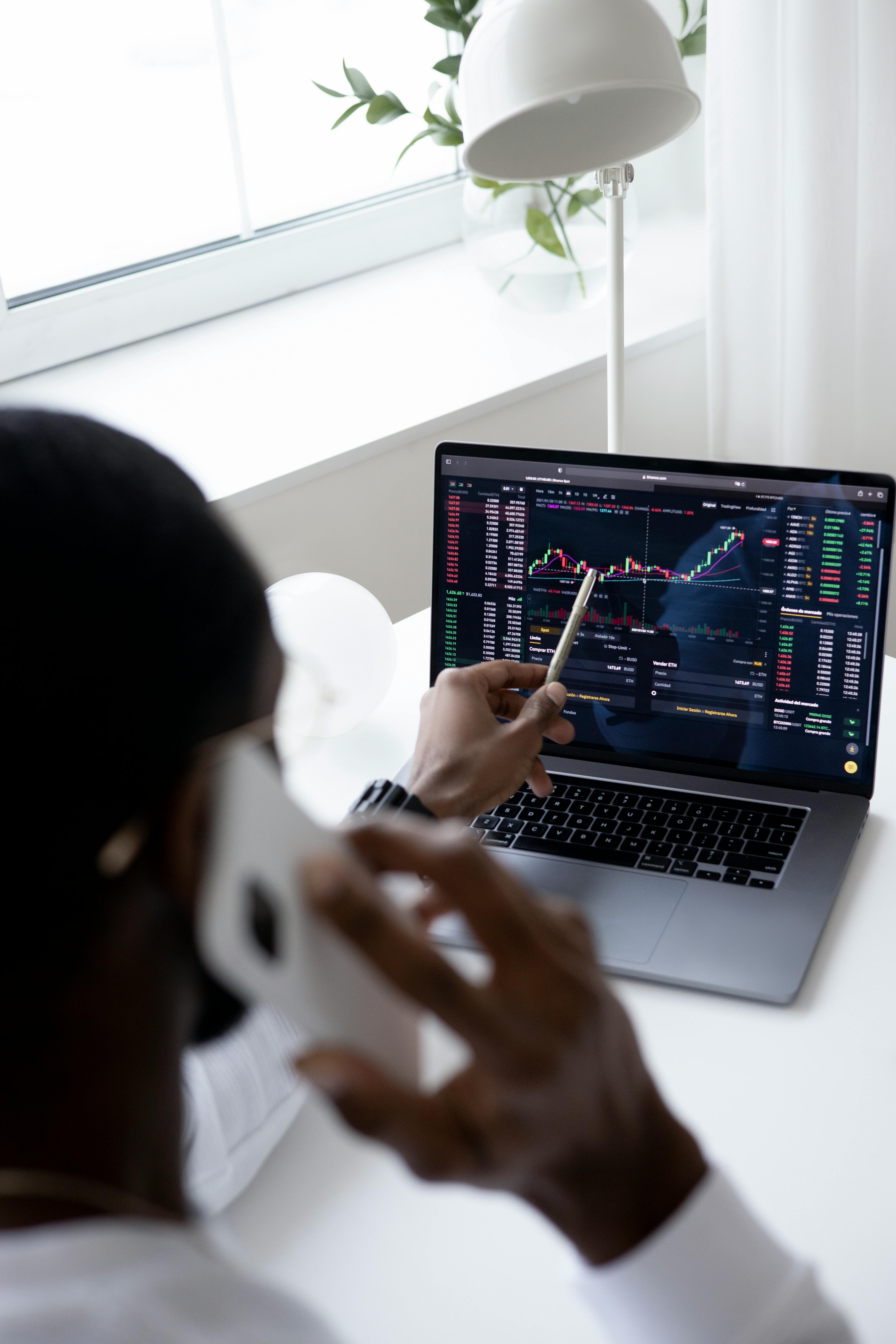
U.S. President Donald Trump is known for his frequent and often unpredictable use of social media, particularly late at night. His tweets often covered topics such as trade policy, tariffs, interest rates, and international relations—subjects that have a direct impact on financial markets. For currency traders, especially those operating in Asian markets, Trump’s late-night posts became critical signals that could trigger sudden price movements.
As a result, forex traders in Asia increasingly turned to platforms in Singapore and Hong Kong to capitalize on the volatility caused by these unexpected statements. This article explores how Trump’s after-hours social media activity influenced currency markets, drove trading volume in Asia, and reshaped global forex dynamics.
Trump’s Late-Night Social Media Activity
Trump’s habit of posting tweets during late U.S. hours—often past midnight Eastern Time—meant that his messages frequently landed while Wall Street was closed. These posts were not mere opinions; they frequently included policy statements, threats of tariffs, criticism of the Federal Reserve, and remarks about trade relations with China.
For example, in August 2019, Trump abruptly announced additional tariffs on Chinese imports via Twitter. The timing of his announcement, which came after U.S. markets had closed, meant that traders in Asia were the first to react. The offshore yuan (CNH) depreciated sharply against the U.S. dollar, triggering a wave of trading activity in Singapore.
These unpredictable statements created an environment where traders had to remain alert during non-traditional hours, ready to respond to any sudden market-moving message.
Immediate Impact on Currency Markets
Trump’s posts frequently led to immediate market reactions. Some of the most notable consequences included:
- Sharp fluctuations in major currency pairs: The USD/CNH (U.S. dollar vs. offshore yuan) and USD/JPY (U.S. dollar vs. Japanese yen) often saw significant movement immediately following Trump’s tweets.
- Increased hedging and speculation: Traders sought to capitalize on or protect against the volatility caused by sudden policy shifts.
- Sudden liquidity surges: Trading activity would spike on Singapore’s SGX (Singapore Exchange) and Hong Kong’s forex platforms.
One case study that highlights this effect is Trump’s tweet in May 2019, where he threatened to raise tariffs on Chinese goods. The offshore yuan fell nearly 1.3% overnight, a substantial move in forex markets. This volatility persisted through the Asian session, leading to a surge in trading volumes.
Asian Markets as First Responders
Because Trump’s tweets often came outside of U.S. trading hours, Asian markets became the first responders to his statements. Traders in Singapore, Tokyo, and Hong Kong took advantage of this time zone difference, using advanced algorithms and automated trading strategies to react immediately.
Singapore, in particular, benefited from this dynamic:
- SGX’s forex contracts surged as traders sought to hedge their positions or profit from overnight volatility.
- More institutional investors began trading in Asia due to the need for real-time reactions to geopolitical news.
- Hong Kong’s currency markets also saw increased activity, as traders adjusted their positions based on Trump’s remarks about China.
As a result, Singapore solidified its position as a global forex trading hub, particularly for after-hours trading when major Western markets were closed.
Implications for Global Currency Trading
The impact of Trump’s tweets on currency markets extended beyond just short-term volatility. Some of the long-term consequences included:
- Increased demand for after-hours trading platforms: The need to trade around the clock led to the rise of automated trading systems that could execute orders instantly based on breaking news.
- Risk management challenges: Financial institutions had to develop new strategies to hedge against unpredictable policy shifts.
- Permanent shifts in trading patterns: Asian markets gained prominence as crucial hubs for forex trading, as traders sought liquidity outside of traditional U.S. and European hours.
While Trump’s presidency ended in 2021, his approach to policy announcements via social media left a lasting impact on financial markets. Investors and traders now consider social media activity by key political figures as an essential factor in market analysis.
Conclusion
Trump’s late-night social media activity played an unprecedented role in shaping forex market dynamics. His unpredictable policy shifts created significant volatility, prompting traders in Asia to become key players in the global forex landscape. The Singapore Exchange, among others, benefited from this trend, reinforcing its role as a leading hub for currency trading.
The relationship between political communication and market reactions has only grown stronger in the digital age. As financial markets become increasingly global and interconnected, traders will continue to monitor social media for potential market-moving statements—whether from politicians, central bankers, or other influential figures.
Author: Ricardo Goulart
EToro Eyes The Banks
Why a Trading Platform is Looking Beyond the TradeThere is a particular moment in the life of any ambitious company when... Read more
Excent Capital: Supporting The Growth Of LATAM Advisors
The wealth management industry in Latin America is expanding rapidly due to stronger economies and a growing number of... Read more
Parallel Banking: Stablecoins Are Now Global
Parallel Banking: How Stablecoins Are Building a New Global Payments SystemStablecoins—digital currencies pegged to tr... Read more
Industry Responses: Strategies For Overcoming Regulatory Challenges In US Bitcoin ETF Approval
The journey towards the approval of Bitcoin Exchange-Traded Funds (ETFs) in the United States has been fraught with regu... Read more
Navigating Market Volatility: Assessing The Impact Of A Strengthening Dollar On US Stocks
In recent months, US stock markets have experienced a notable rally, with indices reaching new highs. However, amidst th... Read more
Forex Today: Risk Sentiment Recovers As Trump Touts Iran Deal Again - 19 May 2026
Trump Announces 2/3 Day Pause in Iran Attack for Deal Chance; Equities Mixed; Crude Oil Prices, US Dollar Ease; US Treas... Read more