

Tattered Currency, Fragile Economy: Surviving Gazas Monetary Crisis
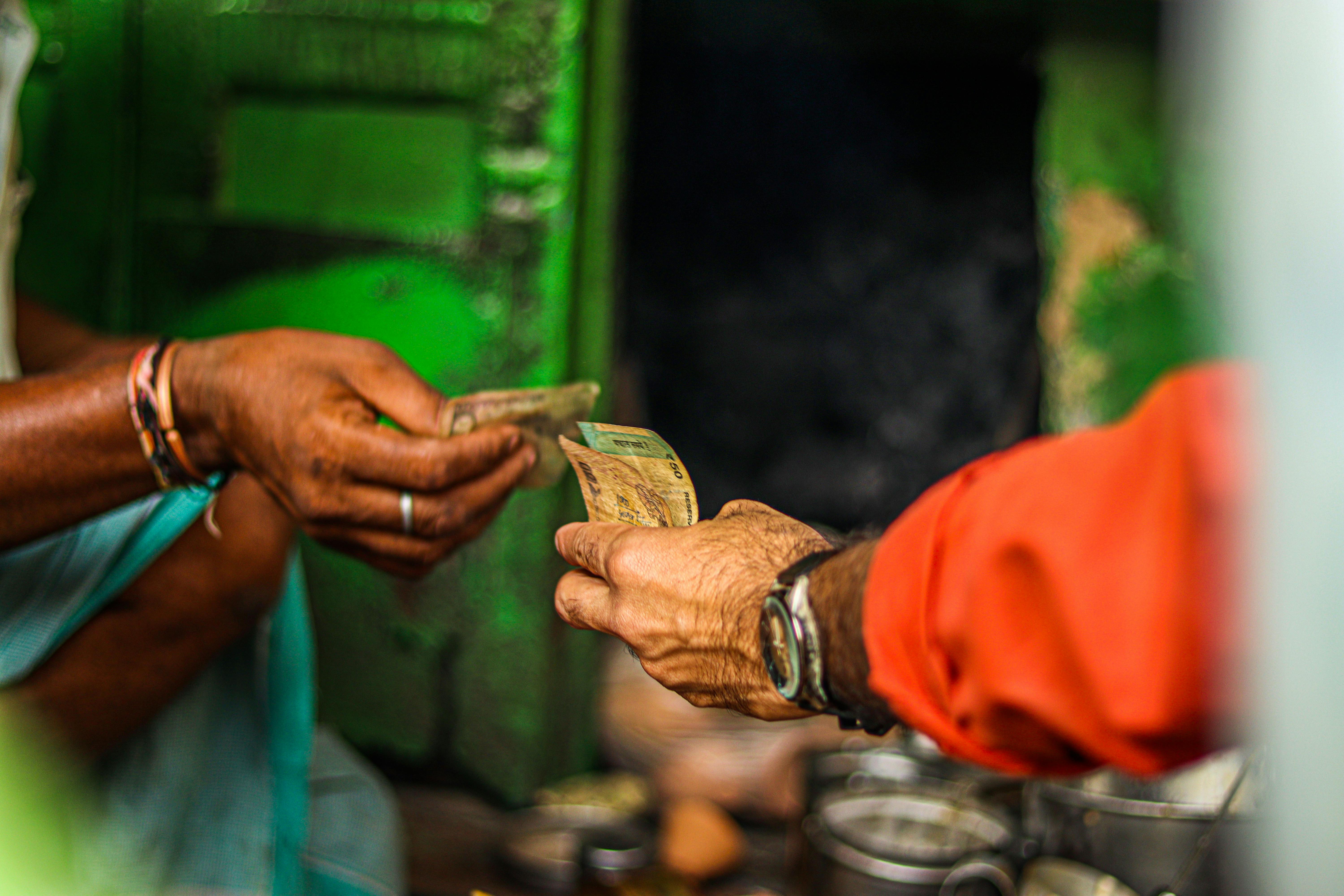
Gaza’s financial landscape faces escalating turmoil, exacerbated by a severe shortage of reliable currency as the Israeli blockade continues to restrict the inflow of fresh banknotes. With residents forced to rely increasingly on heavily worn, damaged bills, the territory’s fragile economy teeters on the edge of deeper instability.
Understanding Gaza’s Currency Crisis
Since the implementation of Israel’s stringent blockade, Gaza has faced severe restrictions on financial operations, particularly regarding the transfer and availability of new currency. Banknotes circulating in the region have rapidly deteriorated, becoming torn, soiled, and nearly unusable. Residents and businesses, left with no alternatives, navigate their daily economic transactions under increasingly challenging circumstances.
The Economic Strain of Tattered Banknotes
Tattered currency profoundly impacts the local economy, complicating simple transactions such as purchasing groceries or paying for services. Businesses experience heightened uncertainty, struggling with cashflow disruptions and incurring significant losses when forced to exchange damaged currency at exorbitant rates on the black market. These black market traders routinely charge commissions of up to 30%, further inflating the cost of basic economic activities and squeezing small business margins.
Coping Mechanisms: Adapting to Currency Shortages
Gaza residents have devised numerous coping strategies to navigate this cash crisis. Some attempt manual repairs to restore banknotes using tape and adhesives, despite the risk that these bills may still be rejected in transactions. Others resort to bartering goods or services or rely heavily on informal credit arrangements within their communities. These adaptations, while innovative, highlight the depth of desperation and the inadequacy of the current monetary situation.
Broader Economic Vulnerabilities
The currency crisis further exacerbates Gaza’s already weakened economy. Persistent currency shortages reduce consumer confidence, discourage business investments, and aggravate existing issues such as high unemployment and pervasive poverty. Economic experts warn that without intervention, the reliance on unreliable cash may lead to sustained economic stagnation and increased dependency on informal, unstable markets.
Political Roots and Humanitarian Concerns
This economic crisis cannot be separated from its political roots. The Israeli blockade remains the primary catalyst for Gaza’s financial isolation, restricting economic growth and compounding humanitarian challenges. Humanitarian organizations have emphasized that the currency deterioration severely impedes residents' access to essential goods and services, magnifying Gaza's humanitarian crisis and affecting overall quality of life.
Potential Solutions and International Responses
Various solutions have been proposed to alleviate Gaza’s monetary predicament, including calls for international financial assistance, relaxation of blockade conditions, and facilitated currency exchanges under international oversight. However, practical implementation remains challenging due to ongoing political tensions and security concerns. International cooperation and political willpower are essential prerequisites for effectively addressing Gaza’s currency crisis.
Conclusion
The deterioration of Gaza’s currency symbolizes the broader fragility of its economy under sustained blockade conditions. As residents struggle with increasingly unviable banknotes and the high costs of economic survival, the urgency for comprehensive, internationally supported solutions becomes ever clearer. Addressing this monetary crisis is crucial not only for immediate economic stability but also for long-term regional peace and humanitarian relief.
Author: Brett Hurll
EToro Eyes The Banks
Why a Trading Platform is Looking Beyond the TradeThere is a particular moment in the life of any ambitious company when... Read more
Excent Capital: Supporting The Growth Of LATAM Advisors
The wealth management industry in Latin America is expanding rapidly due to stronger economies and a growing number of... Read more
Parallel Banking: Stablecoins Are Now Global
Parallel Banking: How Stablecoins Are Building a New Global Payments SystemStablecoins—digital currencies pegged to tr... Read more
Industry Responses: Strategies For Overcoming Regulatory Challenges In US Bitcoin ETF Approval
The journey towards the approval of Bitcoin Exchange-Traded Funds (ETFs) in the United States has been fraught with regu... Read more
Navigating Market Volatility: Assessing The Impact Of A Strengthening Dollar On US Stocks
In recent months, US stock markets have experienced a notable rally, with indices reaching new highs. However, amidst th... Read more
Forex Today: Risk Sentiment Recovers As Trump Touts Iran Deal Again - 19 May 2026
Trump Announces 2/3 Day Pause in Iran Attack for Deal Chance; Equities Mixed; Crude Oil Prices, US Dollar Ease; US Treas... Read more