

Krona And Krone In The Spotlight: The FX World's New Favourite Trade?
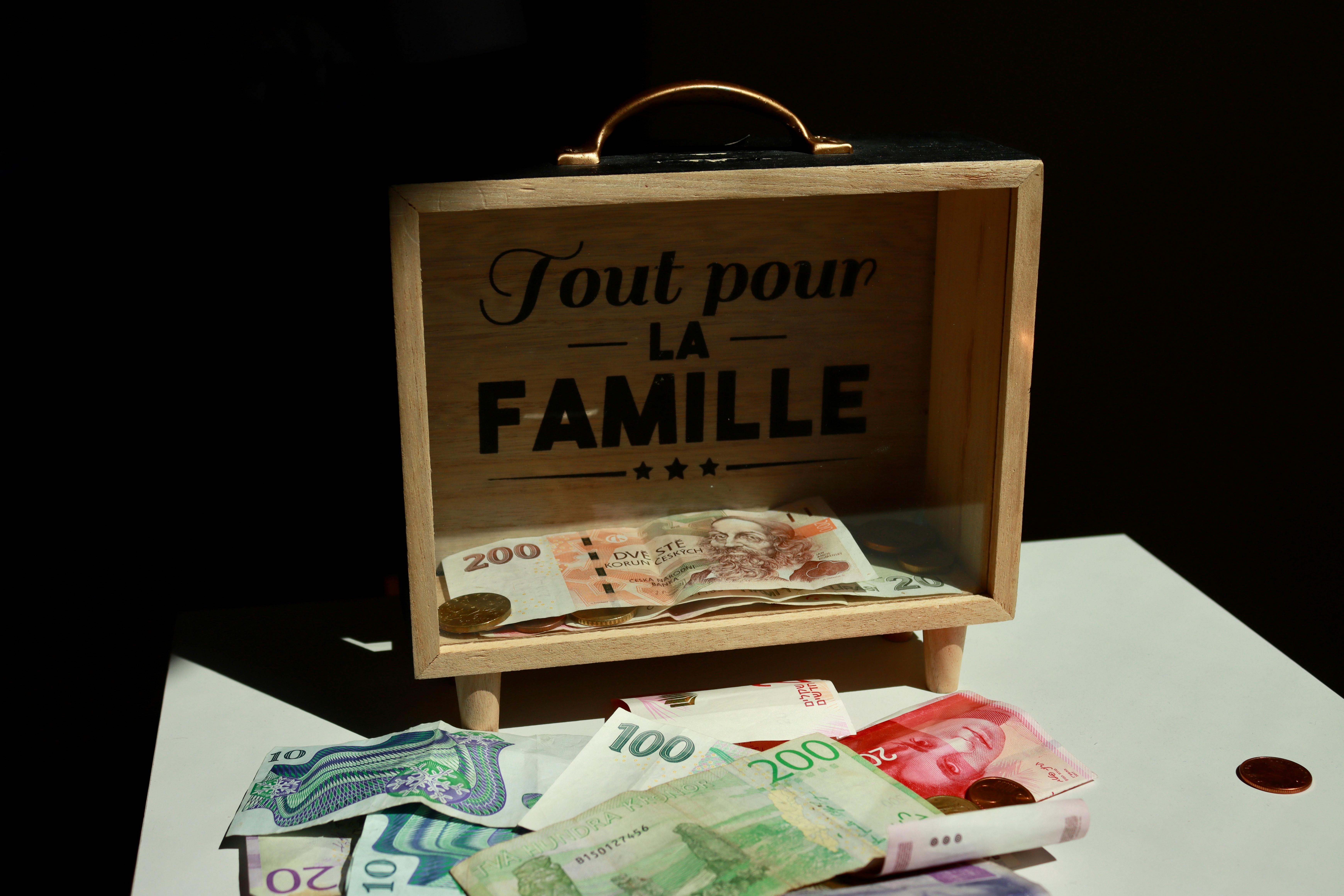
In a market increasingly driven by macro uncertainty and opportunistic positioning, Scandinavian currencies—once seen as peripheral in the global FX landscape—have muscled into centre stage. Traders are piling into the Swedish krona (SEK) and Norwegian krone (NOK) in what’s being dubbed a “euro on steroids” trade: a high-beta, high-volatility proxy for eurozone exposure that offers amplified returns when conditions are favourable.
But while the trade has clear appeal, it’s not without risk. With thin liquidity, political headwinds, and volatile fundamentals, both currencies are attracting fast money—and the kind of attention that tends to be fleeting.
What’s Driving the Nordic Currency Surge?
The renewed enthusiasm for the krona and krone is rooted in a confluence of factors. First, both currencies maintain close economic and financial ties to the eurozone, but with a key distinction: they tend to move in the same direction as the euro, only with greater magnitude. For traders seeking to express directional views on the eurozone—especially during periods of policy clarity or risk appetite—the SEK and NOK offer more “bang for the buck.”
Second, the monetary policy stance of the Riksbank and Norges Bank has added fuel to the fire. While the European Central Bank has signalled a more cautious trajectory on interest rates, both Scandinavian central banks have retained relatively hawkish positions. This has created favourable conditions for carry trades, particularly with markets expecting rate cuts in the U.S. and eurozone while Sweden and Norway stay firm or taper more slowly.
Improving macroeconomic indicators in both countries have also bolstered sentiment. In Sweden, inflation is cooling, and the krona has rebounded from a historically weak position. In Norway, robust energy revenues and a resilient labour market continue to support the krone, despite broader global slowdown concerns.
Krona and Krone as High-Beta Euro Proxies
For FX desks, the appeal of SEK and NOK lies in their high-beta characteristics. They offer amplified exposure to broader eurozone developments and global risk cycles. In a “risk-on” environment—when equity markets rally, volatility declines, and investors seek yield—the Nordic currencies often outperform the euro.
That volatility, once seen as a drawback, is now the attraction. The same traits that once deterred long-term investors—sharp price swings, tight liquidity, and sensitivity to global news—are now embraced by macro traders looking for fast, leveraged trades.
The trade, in short: long SEK or NOK against the euro, or in more complex expressions involving the U.S. dollar or British pound. When momentum turns positive, these currencies can offer double the reward. But the downside is equally quick.
Who’s In and What’s the Trade?
Institutional flows into Scandinavian currencies have grown noticeably in recent months. Hedge funds and global macro managers are among the most active participants, taking directional bets or building relative value strategies using SEK and NOK pairs.
Cross-currency strategies are particularly popular. Some traders are pairing long NOK positions with short EUR or GBP to capitalise on diverging interest rate paths. Others are using SEK to bet on eurozone sentiment swings, especially around key ECB policy meetings.
The increased interest is also visible in ETF flows and FX derivatives activity, where options tied to Nordic currency pairs have seen a pickup in volume and volatility pricing.
Risks Lurking Behind the Trade
For all the current enthusiasm, the krona and krone are not without their hazards.
Liquidity remains a fundamental issue. These are small currencies by global standards, and large trades can move markets quickly—especially in thin trading conditions. What may look like technical momentum can evaporate quickly when sentiment turns.
Domestic risks also loom. Sweden’s housing market remains fragile, with elevated household debt and sluggish real estate activity threatening to weigh on growth. Norway, meanwhile, is still heavily exposed to energy prices, making the krone vulnerable to sharp corrections in oil and gas markets.
There’s also the ever-present risk of misreading global macro signals. Because SEK and NOK are so sensitive to shifts in interest rate expectations and geopolitical sentiment, they can turn on a dime if the ECB, Fed, or geopolitical headlines surprise markets.
Conclusion
The krona and krone have emerged as two of the most closely watched currencies in global FX—at least for now. Their unique positioning as eurozone-adjacent, high-volatility trades has made them a favourite among active traders seeking leverage in a crowded, cautious macro environment.
Whether this trade endures will depend on central bank consistency, stable macro tailwinds, and the ability of these currencies to continue offering outsized returns without succumbing to their inherent instability.
For now, the “euro on steroids” trade is in vogue—but as with all steroids, the comedown can be brutal if the dosage isn’t managed carefully.
Author: Ricardo Goulart
EToro Eyes The Banks
Why a Trading Platform is Looking Beyond the TradeThere is a particular moment in the life of any ambitious company when... Read more
Excent Capital: Supporting The Growth Of LATAM Advisors
The wealth management industry in Latin America is expanding rapidly due to stronger economies and a growing number of... Read more
Parallel Banking: Stablecoins Are Now Global
Parallel Banking: How Stablecoins Are Building a New Global Payments SystemStablecoins—digital currencies pegged to tr... Read more
Industry Responses: Strategies For Overcoming Regulatory Challenges In US Bitcoin ETF Approval
The journey towards the approval of Bitcoin Exchange-Traded Funds (ETFs) in the United States has been fraught with regu... Read more
Navigating Market Volatility: Assessing The Impact Of A Strengthening Dollar On US Stocks
In recent months, US stock markets have experienced a notable rally, with indices reaching new highs. However, amidst th... Read more
Forex Today: Risk Sentiment Recovers As Trump Touts Iran Deal Again - 19 May 2026
Trump Announces 2/3 Day Pause in Iran Attack for Deal Chance; Equities Mixed; Crude Oil Prices, US Dollar Ease; US Treas... Read more