

Currency Control Intensifies: Venezuela Targets Parallel Dollar Transactions
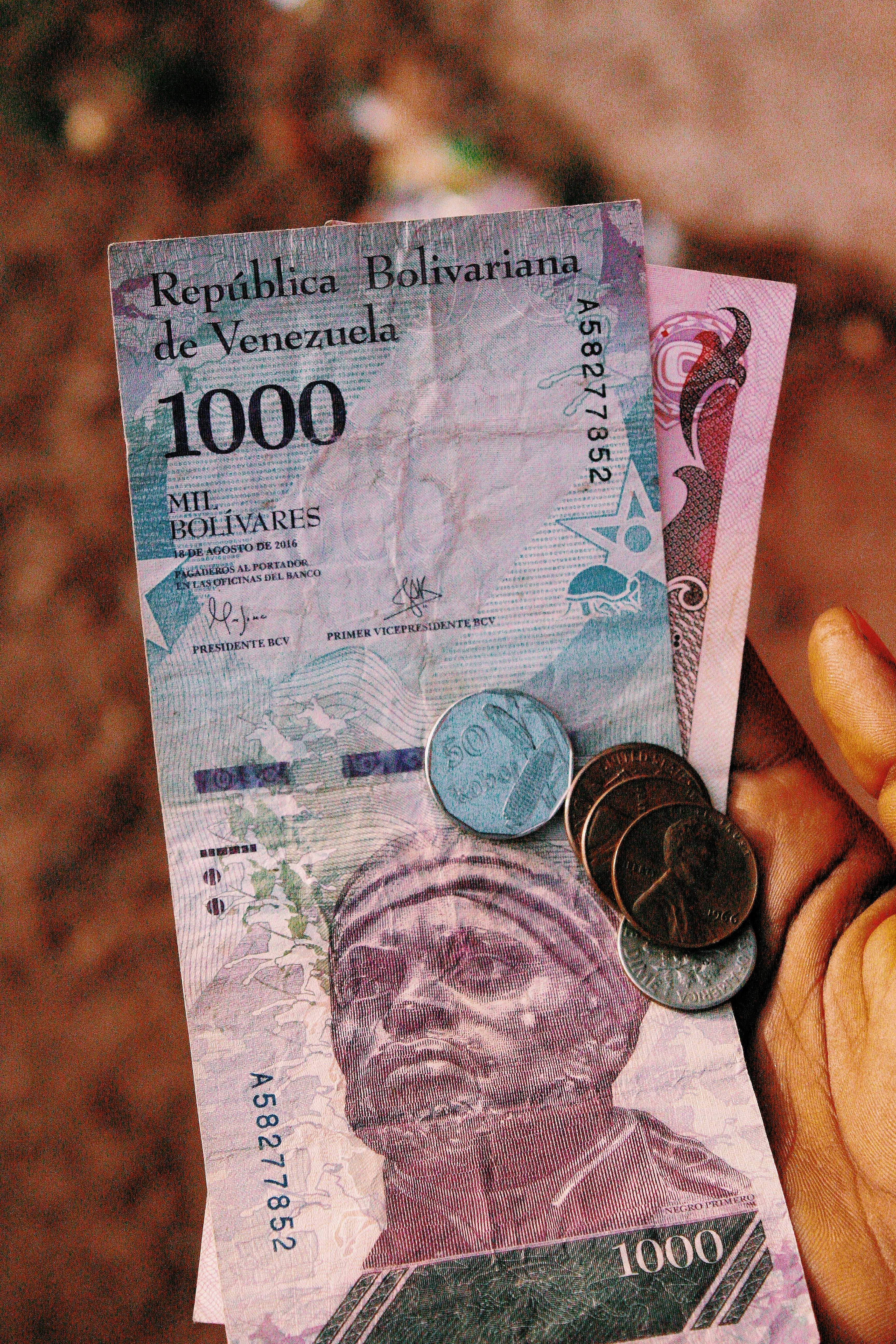
As Venezuela’s economic crisis deepens under the weight of inflation and prolonged international sanctions, the government has escalated its efforts to reassert control over the currency market. Authorities have launched a widespread crackdown on businesses transacting in U.S. dollars at the parallel (black market) exchange rate, imposing steep penalties and threatening closures for those who fail to comply with the official government rate.
The move signals a renewed attempt by the state to control the rapidly dollarizing economy, amid a widening gap between official and unofficial exchange rates and growing reliance on the informal dollar market for day-to-day transactions.
Government Measures and Enforcement Actions
In recent weeks, Venezuelan regulatory and security bodies have increased on-site inspections of commercial establishments, particularly targeting sectors with high transaction volumes in foreign currency—retail, food services, hospitality, and informal markets.
Authorities from SENIAT (the national tax agency) and other state bodies are conducting surprise audits of point-of-sale systems, invoices, and pricing structures to determine if businesses are using the government-mandated exchange rate. Those found to be pricing goods based on the black market rate—often significantly higher than the official figure—face fines, temporary closure, or the revocation of business licenses.
In some instances, enforcement has escalated to legal action. Reports from Caracas and Maracaibo indicate several retailers have been arrested or charged with speculation and currency manipulation under economic control laws.
Reasons Behind the Crackdown
At the core of the crackdown is a state-driven effort to defend the Venezuelan bolívar and reduce the role of the parallel market in shaping inflation and price expectations. With inflation remaining persistently high—exacerbated by currency depreciation—the government views unofficial dollar pricing as a key driver of economic instability.
The crackdown also reflects increasing pressure from sanctions. U.S. measures have severely limited the Venezuelan government’s ability to access foreign reserves or participate in global financial systems. As a result, the parallel market has grown in importance, operating as a workaround for both businesses and individuals to acquire hard currency.
The Maduro government has also framed the crackdown as part of a broader effort to protect economic sovereignty. Officials have labeled the black market dollar economy as exploitative and inequitable, accusing businesses of undermining government policy and stoking social unrest through price speculation. With elections on the horizon, the move serves both economic and political objectives—reinforcing the state’s authority over financial life.
Impact on Currency Markets and Exchange Rate Behavior
Despite the enforcement push, the divergence between the official and parallel rates remains significant. As of early April, the black market rate is reportedly over double the official central bank rate. The crackdown has triggered short-term volatility, with businesses uncertain about pricing strategy and customers facing inconsistent valuations.
Dollar liquidity in the informal market has tightened, as traders and businesses grow wary of surveillance and enforcement. In response, some retailers have increased consumer prices to account for currency risk, further fueling inflation.
Business Sector Response
Businesses are adopting a range of strategies to cope with the crackdown. Some have reverted to bolívar-based pricing while quietly adjusting product availability or quality. Others offer informal discounts for cash payments or underreport the dollar component of transactions to stay off regulatory radars.
Private sector groups have voiced concern over the government’s approach. Several business chambers have issued statements warning that unpredictable enforcement and lack of clarity over permissible pricing practices will deter commerce, reduce supply, and deepen the economic downturn. Small and mid-sized enterprises—already burdened by inflation and limited access to credit—are particularly vulnerable to closure or punitive fines.
Conclusion
The Venezuelan government’s intensified crackdown on parallel market dollar use reflects the acute tension between a collapsing monetary system and efforts to maintain political and regulatory control. While aimed at restoring order to the currency market, the measures risk deepening distortions in a highly dollarized economy that increasingly functions outside formal financial structures.
As enforcement expands, businesses are navigating an uncertain legal environment with limited tools to hedge currency risk. Whether these actions lead to a meaningful stabilization of the exchange rate system—or simply drive more transactions underground—remains to be seen. For now, the state’s assertion of monetary authority comes at a growing cost to commerce, transparency, and economic recovery.
Author: Gerardine Lucero
EToro Eyes The Banks
Why a Trading Platform is Looking Beyond the TradeThere is a particular moment in the life of any ambitious company when... Read more
Excent Capital: Supporting The Growth Of LATAM Advisors
The wealth management industry in Latin America is expanding rapidly due to stronger economies and a growing number of... Read more
Parallel Banking: Stablecoins Are Now Global
Parallel Banking: How Stablecoins Are Building a New Global Payments SystemStablecoins—digital currencies pegged to tr... Read more
Industry Responses: Strategies For Overcoming Regulatory Challenges In US Bitcoin ETF Approval
The journey towards the approval of Bitcoin Exchange-Traded Funds (ETFs) in the United States has been fraught with regu... Read more
Navigating Market Volatility: Assessing The Impact Of A Strengthening Dollar On US Stocks
In recent months, US stock markets have experienced a notable rally, with indices reaching new highs. However, amidst th... Read more
Forex Today: Risk Sentiment Recovers As Trump Touts Iran Deal Again - 19 May 2026
Trump Announces 2/3 Day Pause in Iran Attack for Deal Chance; Equities Mixed; Crude Oil Prices, US Dollar Ease; US Treas... Read more