

 ADVERTISEMENT
Whether you're looking to escape political turmoil or just want a change of scene, a move to Scotland should be on your radar.
The country has boomed in popularity with digital nomads in recent years thanks to its slower lifestyle, high quality of life, relative affordability and reliable infrastructure.
Scotland has become a hotspot for remote workers as they move away from traditional nomadism’s fast-paced, cost-saving strategies.
Instead, these workers are embracing trends like 'slomading', staying in one location for an extended period instead of moving every few weeks.
The United Kingdom was not overly popular among digital nomads in the past, as it’s not considered a viable location for 'geo-arbitrage' - earning income in a strong currency while residing in a location with a lower cost of living.
But this has changed along with shifting priorities in the digital nomad community.
Still, Scotland has its cost advantages: Numbeo comparison shows Edinburgh’s cost of living is 28.1 per cent lower than London’s and 46 per cent lower than New York City - including rent.
What is the cost of living in the UK for digital nomads?
While the UK is not traditionally seen as a low-cost destination, especially if you’re being paid in US dollars, Scotland presents a more affordable alternative to cities like London.
Wealth management company Moneyfarm reports that “you can live comfortably, covering expenses and setting aside money for savings with a monthly salary of £2,500” - about €3,000 or $3,340. The exchange rate is a crucial detail to consider.
To take it a little further, the average cost to rent an apartment in a suburban or rural area is £840 a month (€1,010 or $1,123).
If your sights are set on the UK, here’s where Scotland shines. Renting an apartment in Edinburgh, Scotland’s capital, is 46.6 per cent cheaper than in London. If city living is a priority, also consider Glasgow where the cost of living is 9.9 per cent cheaper than in Edinburgh.
Prices continue to drop as you venture further into the countryside. Just an hour’s train ride from Edinburgh is Dundee, which is 23.5 per cent cheaper than Edinburgh and 44.9 per cent lower than London overall.
One of the significant benefits for a digital nomad living in Scotland is the public transportation system. You can base yourself outside the major cities but still be connected quickly. There’s also a high-speed train from Edinburgh to London, making it easy to get around.
Where to stay in Scotland
While the financial comparisons might decide for you, there are a few things to consider when picking where you want to live in Scotland. Choosing one of Scotland’s largest cities, Edinburgh or Glasgow, offers digital nomads a busy urban environment with access to modern amenities, coworking spaces, lots of things to do, and reliable public transportation.
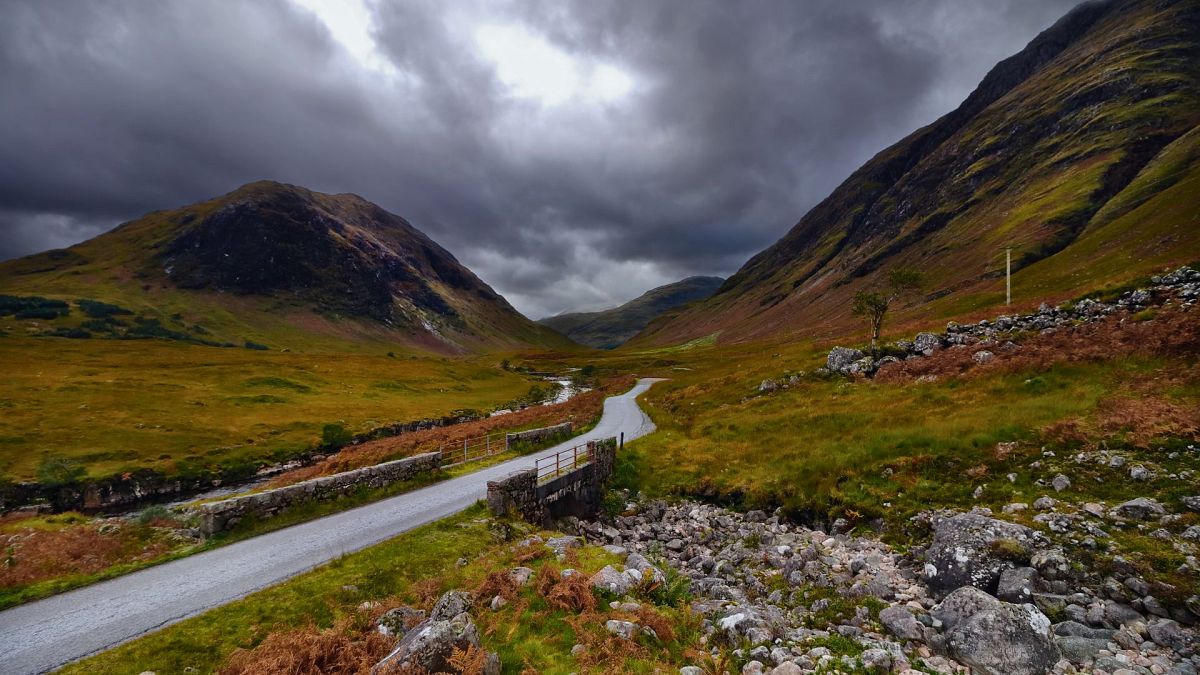
However, moving to rural areas like the Scottish Highlands offers a much different experience, trading big city conveniences for peace and quiet. The Highlands are known for their incredible landscapes, creating an epic environment for digital nomads looking for a lifestyle focused on outdoor activities like hiking and camping.
ADVERTISEMENTWhile internet connectivity and amenities are more limited in rural areas, these locations are perfect for those embracing the 'slomading' lifestyle. Something to keep in mind: in these regions, there may be a need to rely more on personal transportation.
How to navigate the UK visa process
EU and US citizens can stay in the UK for up to six months without a visa; those planning longer must explore visa options such as a Long Term Standard Visitor visa.
Starting on 8 January 2025, US citizens must apply and pay for an electronic travel authorisation or ETA. For European visitors, this will apply from 2 April 2025.
Visitors cannot work for a UK company during the six months or use public benefits. You may also be asked to prove you can support yourself and afford to leave at the end of your six-month stay.
ADVERTISEMENTApplying for a Long-Term Standard Visitor Visa to extend your time in the UK involves applying online, gathering the required documents, and paying a fee.
The UK can be an excellent option for digital nomads, especially those just starting and looking for an easy transition to this lifestyle. It is significantly less complicated, with no language barrier, a well-connected public transportation system, and a relatively simple visa process. Still, the financial implications need to be addressed as well.
Choosing Scotland, in general, will give you the benefits of the UK without London expenses. Narrowing down further and picking a rural Scottish location would check all the boxes and bring you closer to achieving your financial goals.
What exactly is ‘slomading?’
One of the latest trends in digital nomadism that aligns particularly well with Scotland’s offerings is 'slomading'.
ADVERTISEMENTUnlike traditional digital nomads, who often move quickly from one location to another, slomads settle in a place for an extended period, immersing themselves in the local culture, environment and community.
This slower approach to nomadism offers a more profound, meaningful experience, allowing them to balance work with exploration without the constant upheaval of moving.
How geo-arbitrage works
Geographical arbitrage or 'geo-arbitrage' involves earning income in a strong currency while residing in a location with a lower cost of living.
This strategy allows remote workers to maximise their purchasing power and savings, effectively stretching their income further than they could in more expensive countries.
ADVERTISEMENTThis has been a significant part of the strategy for the 'FIRE' (Financial Independence, Retire Early) movement. In 2007, Tim Ferriss's book 'The 4-Hour Workweek' brought to light many of the concepts behind FIRE and an entire generation of digital nomads.
In 2020, when the pandemic created a new normal for remote work, another wave of employees realised they didn’t have to be tied to a desk.
As priorities shift for digital nomads, Scotland is emerging as an ideal destination for remote workers who prioritise experience over their financial gains. There are a lot of options between the historic cities and the incredible landscape of the Highlands.
As slomading becomes more popular, Scotland is positioning itself as a place where digital nomads can balance their professional lives with a deeper connection to the culture and landscape.
ADVERTISEMENT