

While minimum age restrictions are commonplace around the world for establishments serving alcohol, upper age limits are a rarity.
So it’s no surprise that a pub in Tokyo has made headlines for imposing a ‘soft ban’ on older customers.
The chain claims it merely wants its patrons’ preferences to match its boisterous atmosphere, but the move has sparked controversy.
Tokyo pub bans older customers
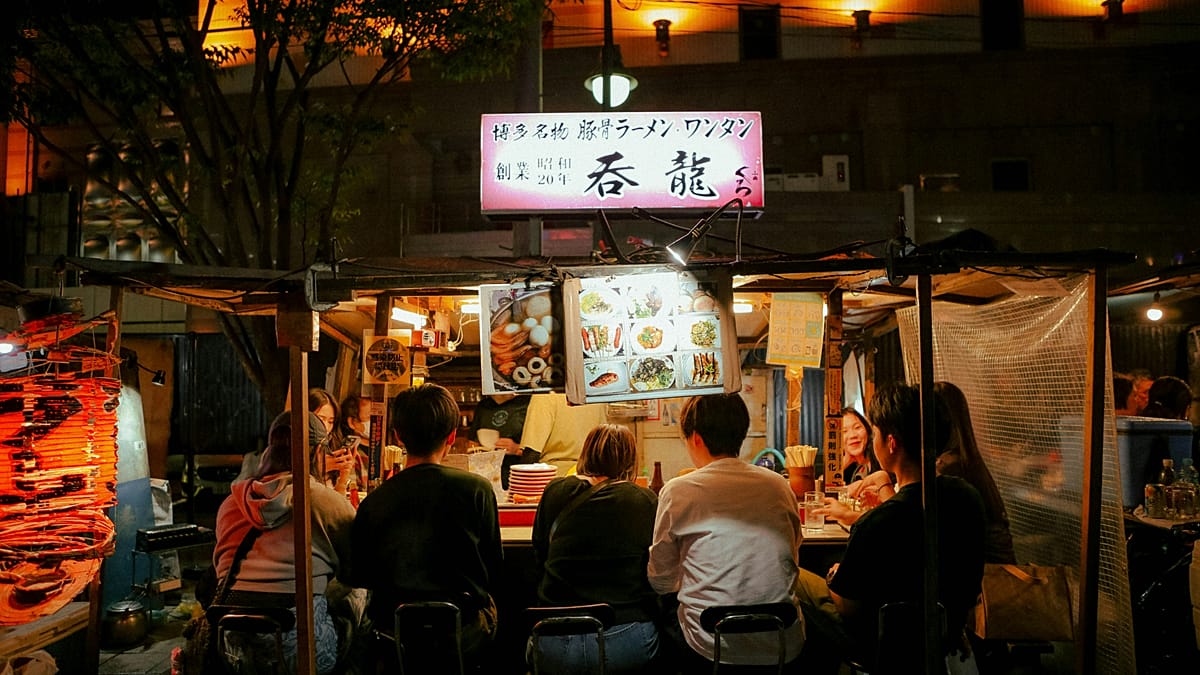
Tori Yaro Dogenzaka is an izakaya (affordable Japanese pub) located in Tokyo's Shibuya district.
In early 2026, a sign appeared outside the entrance reading: “Entrance limited to customers between the ages of 29 and 39. This is an izakaya for younger generations. Pub for under 40-only.”
The pub is part of a chain, although the Shibuya branch seems to be the only one to have explicitly stated an age policy so far.
There are some caveats, albeit written in very tiny writing. Older patrons are admitted as long as one person in the party is 39 or younger.
Friends or family members of employees, as well as business partners of the restaurant, are exempt from the age restriction.
Plus, given that the measure cannot legally be enforced, over-40s can demand entrance if they wish.
Door staff will reportedly check that the customer is in an “appropriate condition” (it is unclear if that’s referring to attire or alcohol levels) and happy with the pub’s ambience, according to news site Japan Today.
‘Older customers tend to make a lot of complaints’
The upper age limit is supposedly to ensure cohesion between patron preferences and the pub’s atmosphere.
The chain is known for its affordable prices, low-key design and spirited vibe, all intended to lure a youthful crowd.
“Essentially, our customer base is young,” Toshihiro Nagano, a PR representative for the chain, told Japan Today.
“With older customers, they tend to make a lot of complaints about the restaurant being too noisy and such, so we decided to limit who’s coming in, so that everyone can go home happy about the experience they had.”
The move has been branded as “discriminatory” online, with one commenter highlighting that, “There’s a difference between people’s physical and mental ages”.
South Korea’s ‘no seniors zones’
The practice of restricting entrance to younger patrons is already common in neighbouring South Korea.
In Hongdae, Seoul’s university district, many clubs and pubs with dance floors enforce unofficial upper age restrictions for those over 30, with some going as low as 28 or 25.
Some venues in Itaewon and Gangnam also turn away older patrons.
According to The Korea Times, many sports facilities and coffee shops have introduced ‘no seniors zones’, citing the incompatibility of older customers with their atmosphere.
These tend to target customers over the age of 70.