

 ADVERTISEMENT
Madeira has introduced a new fee for non-residents on some of its most popular hiking trails.
The move is part of a push towards sustainable tourism and proceeds will fund conservation efforts.
The surcharge currently applies to seven of the most trafficked routes but will be expanded to all recommended trails on the Portuguese archipelago from January 2025.
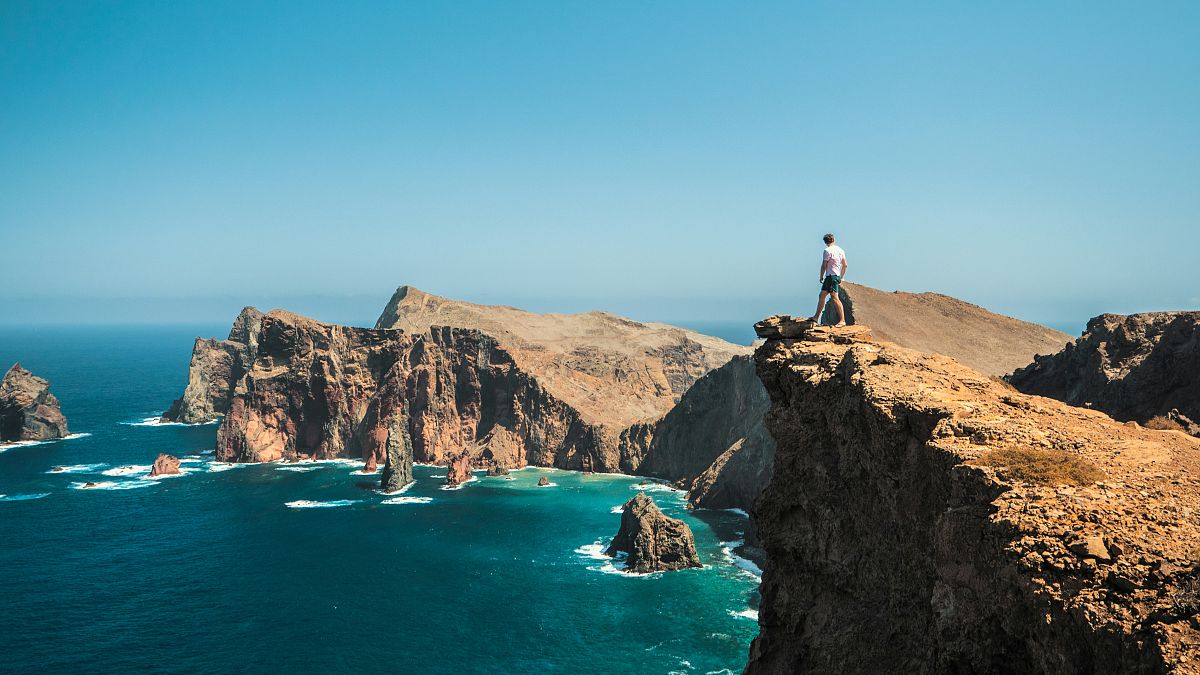
With steep peaks, verdant forests, and lush waterfalls, the archipelago’s hiking trails are some of its top visitor draws.
Madeira’s regional secretary of Agriculture, Fisheries and Environment, Rafaela Fernandes, said the charge is necessary to protect the area’s natural landscapes and manage the increasing influx of tourists.
Tourists will have to pay to hike Madeira’s trails from 2025
The €3 fee applies to all non-residents over the age of 12 and is currently in place on Madeira’s most popular trails.
These are Pico do Areeiro, Pico Ruivo, Levada do Risco, Levada do Caldeirão Verde, Balcões, Levada do Rei and Ponta de São Lourenço.
From 1 January 2025, non-residents will need to pay to hike over 30 routes managed by the Institute of Forests and Nature Conservation (ICNF) in Madeira.
Hikers who do not pay face fines of up to €50.
Visitors can pay using the regional government portal, Simplifica. Alternatively, there are on-site payment options available at ICNF stations located along many of the trails.
Madeira hiking fee will fund trail maintenance and nature conservation
All profits from the new tourist fee will be put towards trail maintenance, cleaning and preservation efforts, according to Fernandes.
Madeira is experiencing an increase in tourism, particularly in peak hiking seasons, so the trail charge aims to manage the flow of visitors on paths and help protect the natural landscape.
Madeira’s authorities have launched an awareness campaign to inform visitors about the charge and its purpose.
Fernandes says the move has been welcomed by tourists who appreciate the importance of supporting conservation efforts.